
Edna C Rosas-Gutierrez
LPCArizona · 18 yrs exp
Arizona LPC focusing on relationships and trauma
Stress, Anxiety · Relationship · Trauma and abuse · Grief · +1 more
Read profileTherapist listings come from BetterHelp. We will earn a commission at no extra cost to you if you use our links to buy.
This page groups professional profiles under the listed location Arizona for clinicians who note guilt and shame among their focus areas. Compare focus areas, credentials, languages and approaches, then browse profiles to learn more and contact practitioners directly.
Arizona · 18 yrs exp
Arizona LPC focusing on relationships and trauma
Stress, Anxiety · Relationship · Trauma and abuse · Grief · +1 more
Read profile
Arizona · 3 yrs exp
LCSW in Arizona - Stress and mood concerns
Stress, Anxiety · Anger · Self esteem · Depression · +1 more
Read profile
Arizona · 22 yrs exp
Arizona LPC - Grief and Intimacy
Grief · Intimacy-related issues · Self esteem · Depression · +1 more
Read profile
Arizona · 9 yrs exp
LCSW - Stress and trauma focused
Stress, Anxiety · Family · Trauma and abuse · Depression · +1 more
Read profile
Arizona · 40 yrs exp
LCSW - Anxiety and Guilt concerns
Stress, Anxiety · LGBT · Relationship · Grief · +10 more
Read profile
Arizona · 7 yrs exp
Licensed Professional Counselor - Trauma and Mood concerns
Stress, Anxiety · Trauma and abuse · Grief · Depression
Read profile
Arizona · 10 yrs exp
LPC counselor - Stress and relationships
Stress, Anxiety · Relationship · Trauma and abuse · Anger · +1 more
Read profile
Arizona · 16 yrs exp
LPC in Arizona - anxiety and stress focus
Stress, Anxiety · Self esteem · Depression · Compassion fatigue · +12 more
Read profile
Arizona · 15 yrs exp
LCSW - Anxiety and Guilt work
Stress, Anxiety · Grief · Self esteem · Depression · +12 more
Read profile
Arizona · 7 yrs exp
Arizona LPC focused on grief and trauma
Stress, Anxiety · Trauma and abuse · Grief · Depression · +1 more
Read profile
Arizona · 10 yrs exp
AZ Psychologist - Guilt and shame, Stress
Stress, Anxiety · Self esteem · Career · Coping with life changes · +14 more
Read profile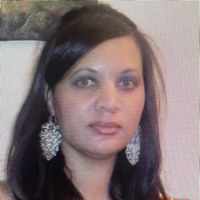
Arizona · 11 yrs exp
LCSW - Anxiety and Guilt work
Stress, Anxiety · Grief · Parenting · Self esteem · +7 more
Read profile
Arizona · 20 yrs exp
LPC counselor - anxiety and trauma
Stress, Anxiety · Trauma and abuse · Self esteem · Bipolar · +1 more
Read profile
Arizona · 17 yrs exp
LPC in Arizona - Stress and relationships
Stress, Anxiety · Family · Trauma and abuse · Self esteem · +13 more
Read profile
Arizona · 40 yrs exp
Arizona LPC - Addictions and trauma
Addictions · Trauma and abuse · Self esteem · Career · +15 more
Read profile
Arizona · 6 yrs exp
LMFT - Relationships and Mood
Stress, Anxiety · Relationship · Family · Parenting · +1 more
Read profile
Arizona · 18 yrs exp
LPC in Arizona - Anxiety and Grief
Stress, Anxiety · Grief · Self esteem · Depression · +1 more
Read profile
Arizona · 9 yrs exp
LCSW - Mood and identity concerns
Stress, Anxiety · LGBT · Self esteem · Bipolar · +1 more
Read profile
Arizona · 20 yrs exp
Dr. Carol Gandolfo - Psychologist focusing on trauma and relationships
Stress, Anxiety · Relationship · Family · Trauma and abuse · +12 more
Read profile
Arizona · 22 yrs exp
LCSW - Anxiety and Relationship concerns
Stress, Anxiety · Relationship · Self esteem · Depression · +1 more
Read profile
Arizona · 19 yrs exp
LCSW - Trauma and self-esteem
Trauma and abuse · Self esteem · Coping with life changes
Read profile
Arizona · 40 yrs exp
LCSW - Stress and relationship concerns
Stress, Anxiety · Relationship · Anger · Career · +1 more
Read profile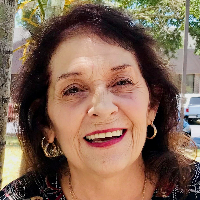
Arizona · 14 yrs exp
LCSW - Mood and trauma concerns
Stress, Anxiety · Addictions · Trauma and abuse · Grief · +15 more
Read profile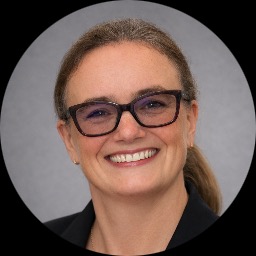
Arizona · 7 yrs exp
Licensed counselor - Guilt and shame, Anxiety
Stress, Anxiety · Addictions · Grief · Self esteem · +1 more
Read profileGuilt and shame can feel similar but they point to different inner conversations. Guilt usually focuses on something you did or did not do - it can bring attention to actions and make you think about making amends or changing behavior. Shame more often targets who you feel you are - it can make you feel flawed, exposed, or unworthy. You might experience both at once: guilt about a choice and shame about who you believe that choice makes you.
When you look at profiles, think about the kinds of concerns you carry. Are you dealing with remorse about a single event, long-standing patterns in relationships, identity-based feelings from family or faith contexts, or persistent self-criticism that colors daily life? Describing these concerns in your initial contact helps you and a clinician gauge whether the match might fit your needs. Talking through guilt and shame with a clinician can help you see your experience more clearly and consider practical next steps. That said, conversations do not guarantee a particular outcome, and you should avoid promises of relief, forgiveness or closure when comparing profiles.
Profiles on this page are grouped under the listed location Arizona. A listed location in a profile indicates the geographic area the clinician has associated with their profile, but it is not proof of an office, a license, or ongoing permission to practice where you live. Clinicians may work with clients in different states or countries under varying rules, so you should check each individual profile and confirm whether the practitioner has the current permission to work with you in your state or country before beginning work together.
If you plan to meet in person, ask directly whether a clinician maintains an in-person office in Arizona and where sessions would take place. If you are considering remote work, discuss legal and regulatory limits up front - practitioners must follow different rules depending on your location and their professional standing. The directory includes professionals from the United States, the United Kingdom and Australia, so the implications of the listed location differ by jurisdiction. Use the listed location as a starting point for questions rather than definitive proof of local practice rights.
Profiles often list academic degrees and professional credentials, but degrees and permission to practice are distinct. A degree such as PhD, PsyD, MD, MA or MSW describes academic training and research or clinical education, while permission to provide therapeutic services usually comes from a license, registration or membership in a professional body. In the United States clinicians typically hold a state license in a named category; in the United Kingdom and Australia, clinicians may be registered with a regulatory board or hold membership in recognized professional organisations. A degree alone does not establish current permission to practice.
When you review a profile, look for clear statements about what the clinician lists as their credentials and how they describe their professional standing. If a profile notes a degree, you can ask whether that degree is linked to a current license or registration and which jurisdiction governs it. If a profile mentions membership in a professional organisation, you can ask whether that membership is a form of regulation or a voluntary association. Clarify whether the clinician is authorised to provide therapy in the place where you live and whether they follow local practice requirements. These questions help you understand the professional context behind the names and letters you see.
Profiles often list approaches or areas of interest, but those listings are not evidence of special certification or uniform use of any particular method. You can use the information on a profile to form direct, practical questions. For example, you might ask whether the clinician has experience working with the kind of shame you face - whether it is tied to relationships, trauma, identity, or faith-related issues. You might ask how they typically conceptualise guilt versus shame in conversation, or whether they focus on the emotional experience, the behavioral consequences, or both. If a profile mentions specific approaches, consider asking what those approaches look like in a session and how they would adapt them to your needs. You can also ask about the clinician's experience working with people from similar cultural, religious or community backgrounds to yours and whether they offer services in a language you speak.
Use concrete comparison questions when you contact someone. Ask how long they have worked with adults who describe persistent self-blame, what kinds of outcomes people typically report in terms of learning to manage shame responses, and what kinds of goals are commonly discussed. Ask whether they see people for shorter-term work focused on a single issue, or whether they offer longer-term spaces to explore patterns over time. Avoid asking for guarantees about results; instead focus on the clinician's approach to collaboration, communication, and how they measure progress in partnership with clients.
If you are considering remote sessions or clinicians who note online work among their approaches, raise practical topics before starting. Clarify whether the clinician can legally work with you given your current location, what platform or method they use for sessions, how they handle records and follow-up, and what times or formats they commonly use. Discuss any technology needs and whether they offer alternatives if you have limited bandwidth or prefer phone work. Talk about how they approach boundaries and information-sharing boundaries in an online context and what you can expect around session notes and professional communication. These are planning details that help you decide whether a particular profile matches the way you prefer to work.
When comparing profiles, pay attention to focus areas, the languages listed, the credentials noted, and the tone in which clinicians describe their work. A clinician who lists family, faith-related shame, trauma or relationship-related guilt gives you a sense of where they concentrate effort. Language listings tell you whether sessions can happen in a language other than English. Credentials that combine degrees and licences or registrations provide more context than degrees alone. The style you pick up in a profile - whether a clinician emphasises practical strategies, reflective exploration, cultural awareness, or a relational approach - can indicate whether your personalities and expectations might align. Remember to confirm details directly on each profile and ask the clinician whether they have permission to work with you where you live, and whether they accept the specific kind of support you seek. If shame includes thoughts of self-harm, contact local emergency services or a crisis line right away. In the United States call 911 or the 988 Lifeline, in the United Kingdom contact 999 or Samaritans at 116 123, and in Australia call 000 or Lifeline at 13 11 14.
Profiles are a tool to help you narrow options and prepare questions, not a substitute for direct conversation. When you reach out, describe what you are experiencing in plain terms, name the expectations you have for early sessions, and ask specific questions about scope - whether the clinician typically works with adults only, whether they address issues connected to family or faith, and how they approach long-standing patterns of self-criticism or shame. Ask whether they work with people in your region and clarify their professional standing in your jurisdiction. These practical queries make it easier to decide whether to move forward with an initial conversation.
Finally, trust your sense of fit. A profile can tell you about focus areas, languages, credentials and style, but the right match often depends on how you feel when you speak with someone. Use the profiles on this Arizona page to prepare targeted questions and to compare clinicians in ways that matter to you. Confirm permission to work together where you live, be clear about what you want to explore, and reach out when you are ready to begin a conversation about guilt and shame that meets your needs.
Addictions
1967 therapists
Anger
2126 therapists
Control Issues
2263 therapists
Depression
4412 therapists
Eating Disorders
626 therapists
Grief
2911 therapists
Intimacy Issues
1351 therapists
Isolation / Loneliness
3827 therapists
Midlife Crisis
1485 therapists
Mood Disorders
2399 therapists
OCD
727 therapists
Panic Disorder and Panic Attacks
2315 therapists
Post-Traumatic Stress
2970 therapists
Self Esteem
4100 therapists
Sexual Trauma
745 therapists
Social Anxiety and Phobia
3352 therapists
Stress & Anxiety
5069 therapists
Trauma and Abuse
3517 therapists
Abandonment
2023 therapists
Attachment Issues
2338 therapists
Body Image
1454 therapists
Career
1634 therapists
Caregiver Issues and Stress
2071 therapists
Codependency
1148 therapists
Communication Problems
4195 therapists
Compassion Fatigue
1460 therapists
Coping with Life Changes
3499 therapists
Divorce
2291 therapists
Family
2391 therapists
Forgiveness
3679 therapists
Infidelity
774 therapists
Life Purpose
3921 therapists
Parenting
1666 therapists
Relationship
3480 therapists
Self-Love
4061 therapists
Sexuality
976 therapists
Workplace Issues
2106 therapists