- anxiety and panic
- guilt and shame
- workplace issues
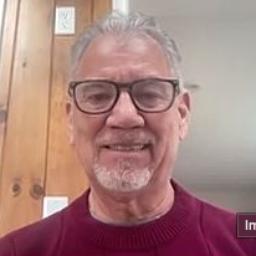
About Raymond
He approaches sessions with respect for the client's story and strengths. He treats the person in front of him as the expert on their life and looks for practical ways to move forward. Conversations are direct and focused on real situations that cause distress. He aims to make the work clear and accessible rather than full of jargon.
Raymond often helps people sort out patterns in relationships and reactions to stress. He uses evidence-based therapeutic techniques to address panic, trauma reactions, and ongoing anxiety. He also supports people who are coping with shame or guilt from past actions or current doubts.
Sessions are paced to the client's needs and comfort. He encourages small, achievable steps and checks in about what is working. The emphasis is on building usable skills and clearer communication in daily life.
Over four decades of practice inform his perspective, but he centers each meeting on what the client brings that day. He asks questions, listens for patterns, and helps people try different ways of managing emotions and relationships.
Areas of expertise
Primary focus
Additional focus areas
Experience
40+ years
Credentials
Arizona
Languages
English
How therapeutic approaches are used in online sessions
Raymond uses evidence-based therapeutic techniques to address immediate symptoms and longer-standing patterns. One common approach focuses on identifying and changing unhelpful thought and behavior patterns to reduce anxiety and panic. It involves noticing automatic reactions, testing new responses, and practicing short exercises that can be done between sessions.Another frequently used approach helps people process traumatic memories and the emotional impact of past events. This method works by gently locating troublesome memories or reactions, naming patterns, and practicing new ways of responding so intrusive reactions become less frequent.
Choosing the right approach is a collaborative process. He will work with each person to decide which methods fit their goals, comfort level, and daily life. Expect regular check-ins about what is helping and adjustments when something does not fit.
The biography does not list specific supported online session formats, so confirm the available options before booking. Many people find online work useful because it can fit into a workday, avoid travel, or allow shorter check-ins by phone when bandwidth or energy is limited. Licensed professionals can adapt exercises and homework to whatever session format you choose, making tools practical for everyday situations.
Frequently asked questions
What kinds of concerns does he work with?
He works with stress, anxiety, relationship issues, anger, career difficulties, and depression, along with related concerns such as attachment issues, body image, communication problems, divorce and separation, guilt and shame, loneliness, panic, PTSD, self-love, social anxiety, and workplace problems.
How would you describe his therapeutic style?
He treats the client as the expert on their story and focuses on practical, clear conversations. Sessions aim to identify patterns and try concrete steps rather than relying on abstract theory.
How much clinical experience does he have?
He brings 40 years of professional work experience to his practice, drawing on long-term clinical exposure to common and complex issues.
What are his credentials and where is he based?
He is an LCSW licensed in Arizona.
In which languages are sessions offered?
Sessions are offered in English.
Can international clients work with him?
He is not currently accepting international clients.
What should I expect about session formats?
The original biography does not list specific session formats. Please confirm current session options before booking.
How do I start a first session?
Select the See online therapy options button, complete a short matching questionnaire, and schedule a first session.
Before you get in touch
The therapists listed here offer talking therapy online. A profile shows how someone describes their work; it cannot tell you how therapy will go, and nobody can promise that guilt or shame will ease by a certain time.
If you are thinking about harming yourself, or you feel unsafe, please contact a crisis line now. The numbers are at the foot of this page.