- CBT techniques
- ACT principles
- DBT skills
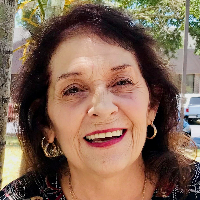
About Ann
Ann returned to school in her 40s to follow a long-held goal of helping others through hard times. She emphasizes building trust and openness in sessions so clients can speak honestly about what they feel and do. Her background includes treating mood disorders and co-occurring conditions such as substance use alongside mental health challenges.
In session, Ann uses straightforward, evidence-based approaches. She draws on cognitive behavioral techniques to notice and change unhelpful thinking and behavioral patterns. She also uses acceptance and commitment ideas to help people clarify values and take workable steps toward them.
Ann incorporates elements from dialectical behavior therapy to teach coping skills for intense emotion and from attachment-based work when relationship patterns and past losses matter. Motivational interviewing and trauma-focused methods are part of her toolbox when people face substance use or traumatic memories. The emphasis is on practical skills and steady progress rather than quick fixes.
People who come to Ann often want help managing symptoms and rebuilding routines after hard events. She encourages honest conversation about what led to the problem and what a sustainable next step looks like. To begin, a short matching questionnaire is completed and a first session is scheduled through the site.
Areas of expertise
Also works with
Additional focus areas
Therapeutic approaches
Experience
14+ years
Credentials
Florida, Arizona
Languages
English
How Ann uses therapeutic approaches in online sessions
Ann commonly draws on cognitive behavioral therapy to identify unhelpful thoughts and habits and to practice small behavior changes that reduce distress. CBT is useful for anxiety, depression, and many everyday patterns that keep problems going.She also uses acceptance and commitment therapy, which focuses on clarifying personal values and taking committed steps toward them even when difficult feelings are present. ACT can help when guilt or shame make it hard to act in line with what matters most.
Finding the right approach is part of the work and will be decided together. The therapist will discuss which methods fit the client’s goals and preferences and adjust over time based on what does and does not help.
Session format details were not specified in the biography, so confirm current options before booking. Online sessions can make it easier to fit therapy into a busy week, allow shorter check-ins when that is needed, or remove the need to travel to an office. Licensed professionals can use different techniques in virtual sessions just as they do in person, and the focus is on practical steps you can use between meetings.
Frequently asked questions
What kinds of concerns does she address?
She works with stress, anxiety, addictions, trauma and abuse, grief, depression, and related concerns such as relationship and intimacy issues and ADHD.
How would she describe her therapeutic style?
She uses practical, evidence-informed methods such as CBT, DBT, ACT, and attachment-based approaches to teach coping skills and clarify values.
How much experience does she have?
Ann has 14 years of clinical experience and returned to school in her 40s to pursue social work practice.
What credential and state licensure does she hold?
She is a Licensed Clinical Social Worker (LCSW) licensed in Florida and Arizona listed as FL LCSW and AZ LCSW and practices from Arizona.
Does she work in other languages or with international clients?
Sessions are offered in English and she does not accept international clients at this time.
What session formats are available?
Confirm current session options before booking by checking the platform details, as session formats are not specified in the biography.
How does cost and billing work?
Cost varies with location and sessions use a subscription that can be canceled at any time.
How do I begin working with her?
Select the See online therapy options button, complete a short matching questionnaire, and schedule a first session.
Before you get in touch
The therapists listed here offer talking therapy online. A profile shows how someone describes their work; it cannot tell you how therapy will go, and nobody can promise that guilt or shame will ease by a certain time.
If you are thinking about harming yourself, or you feel unsafe, please contact a crisis line now. The numbers are at the foot of this page.