- Client-centered work
- Cognitive behavioral tools
- Narrative and meaning
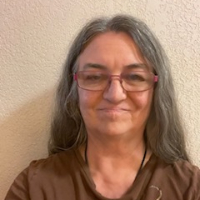
About Nada
She uses straightforward, interactive sessions. Nada listens and helps people set their own goals. She moves at a pace the client is comfortable with and focuses on what matters now.
Her background includes long experience with mood disorders, trauma, and substance issues. Over four decades she has worked in settings that addressed medical, cultural, gender, and spiritual concerns. That experience informs how she notices patterns and practical steps in conversation.
Nada blends several ways of working. She draws on client-centered methods that prioritize the person's perspective. She also uses cognitive-behavioral approaches to address thoughts and actions that keep problems going. Narrative and existential ideas help people reframe difficult stories and consider meaning in their lives.
Sessions often include mindfulness and meditative practices when those fit a client's style. Nada aims to help people build small, manageable changes, improve communication, and handle relationship or life transitions. If you carry guilt or shame, she offers a calm, steady way to talk through the feelings and find clearer next steps.
Areas of expertise
Primary focus
Also works with
Additional focus areas
Therapeutic approaches
Experience
40+ years
Credentials
Arizona
Languages
English
How her approaches translate to online work
Client-centered therapy focuses on listening and reflecting what matters to the person. Online sessions can recreate that by allowing focused conversation about goals and feelings. Cognitive Behavioral Therapy (CBT) involves practical tools to change thought and behavior patterns. In remote sessions CBT can include homework, thought records, and step-by-step behavior plans. Existential therapy looks at meaning, choice, and life direction; it supports people facing major changes or moral dilemmas.Choosing an approach is part of the work together. The therapist and client talk about what feels most useful and try methods that fit the client's goals and preferences. That collaborative process guides whether more skill-based CBT, exploration of stories, or meaning-focused conversation is emphasized.
The biography does not list specific session formats, so confirm current online options before booking. Online work can make scheduling easier and help sessions fit into everyday life, whether a shorter check-in between commitments or a longer hour when time allows. It also lets therapists use written homework, guided mindfulness practices, and conversation-based techniques without requiring travel. Ask about format details when you schedule so the practical setup matches your needs.
Frequently asked questions
What concerns does she commonly address?
She works with stress, anxiety, relationship problems, grief, depression, addictions, trauma and abuse, and guilt and shame among other concerns.
How does she approach guilt and shame?
She uses client-centered listening and narrative techniques to help people talk through the feelings and consider different stories about themselves.
What is her professional background?
She is an LCSW with 40 years of experience in mental health settings and has worked with mood, trauma, and substance-related concerns.
Where is she licensed and practicing?
She holds an Arizona LCSW credential and practices in Arizona.
Are sessions offered in other languages or internationally?
Sessions are offered in English and she is not accepting international clients.
What session formats are available?
Confirm the current session options before booking, as the biography does not list specific formats.
How does payment work?
Cost varies with location and sessions use a subscription that can be canceled at any time.
What are the first steps to begin?
Select the See online therapy options button, complete the short matching questionnaire, and schedule a first session.
Before you get in touch
The therapists listed here offer talking therapy online. A profile shows how someone describes their work; it cannot tell you how therapy will go, and nobody can promise that guilt or shame will ease by a certain time.
If you are thinking about harming yourself, or you feel unsafe, please contact a crisis line now. The numbers are at the foot of this page.