
Kelsey Goss
LPCColorado · 7 yrs exp
Licensed Professional Counselor - Stress and relationships
Stress, Anxiety · Trauma and abuse · Grief · Self esteem · +3 more
Read profileTherapist listings come from BetterHelp. We will earn a commission at no extra cost to you if you use our links to buy.
Compare Colorado therapists who list guilt and shame among their focus areas by approach, credentials, languages, and listed location. Browse the profiles below and review each therapist's information to confirm they have permission to work with you where you live.
Colorado · 7 yrs exp
Licensed Professional Counselor - Stress and relationships
Stress, Anxiety · Trauma and abuse · Grief · Self esteem · +3 more
Read profile
Colorado · 6 yrs exp
LPC - Trauma, grief, and shame work
Trauma and abuse · Grief · Intimacy-related issues · Self esteem · +1 more
Read profile
Colorado · 12 yrs exp
LPC in Colorado - Parenting and self-esteem
Parenting · Self esteem · Career · Depression · +1 more
Read profile
Colorado · 26 yrs exp
Licensed counselor - Relationships and Addictions
Stress, Anxiety · Addictions · Relationship · Intimacy-related issues · +1 more
Read profile
Colorado · 27 yrs exp
LCSW - Stress and trauma focused
Stress, Anxiety · Addictions · Trauma and abuse · Depression · +1 more
Read profile
Colorado · 7 yrs exp
Licensed Professional Counselor - Stress and Anxiety
Stress, Anxiety · Self esteem · Depression · Coping with life changes
Read profile
Colorado · 6 yrs exp
LCSW focused on addictions and trauma
Addictions · Relationship · Trauma and abuse · Parenting · +1 more
Read profile
Colorado · 15 yrs exp
Licensed Professional Counselor - Relationships and Anxiety
Stress, Anxiety · Relationship · Family · Grief · +8 more
Read profile
Colorado · 25 yrs exp
LCSW in Colorado - Stress and trauma care
Stress, Anxiety · Addictions · Trauma and abuse · Self esteem · +1 more
Read profile
Colorado · 4 yrs exp
LPC and LMFT - relationships and addictions
Addictions · Relationship · Family · Intimacy-related issues · +1 more
Read profile
Colorado · 29 yrs exp
LCSW in Colorado - Guilt and shame, trauma
Stress, Anxiety · Addictions · Relationship · Trauma and abuse · +8 more
Read profile
Colorado · 7 yrs exp
Licensed Professional Counselor - Anxiety and Trauma
Stress, Anxiety · Relationship · Family · Trauma and abuse · +11 more
Read profile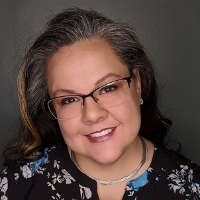
Colorado · 16 yrs exp
Licensed Professional Counselor - Addictions and trauma
Stress, Anxiety · Addictions · Relationship · Trauma and abuse · +13 more
Read profile
Colorado · 5 yrs exp
Licensed Professional Counselor - Anxiety and Trauma
Stress, Anxiety · LGBT · Relationship · Trauma and abuse · +1 more
Read profile
Colorado · 3 yrs exp
LPC in Colorado - anxiety and relationships
Stress, Anxiety · Relationship · Family · Self esteem · +1 more
Read profile
Colorado · 12 yrs exp
LPC in Colorado - Anxiety and grief
Stress, Anxiety · Grief · Self esteem · Depression · +1 more
Read profile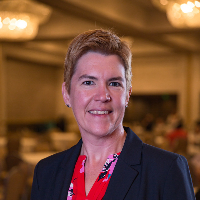
Colorado · 15 yrs exp
LCSW in Colorado - stress and shame support
Stress, Anxiety · Self esteem · Career · Depression · +6 more
Read profile
Colorado · 6 yrs exp
Licensed Clinical Social Worker - Guilt and shame, Addictions
Stress, Anxiety · Addictions · Self esteem · Depression · +8 more
Read profile
Colorado · 7 yrs exp
Licensed Professional Counselor - Trauma and life changes
Stress, Anxiety · Addictions · Grief · Coping with life changes · +7 more
Read profile
Colorado · 5 yrs exp
LCSW - Trauma and mood concerns
Stress, Anxiety · LGBT · Trauma and abuse · Self esteem · +1 more
Read profile
Colorado · 20 yrs exp
LPC in Colorado - Stress and mood concerns
Stress, Anxiety · Addictions · Self esteem · Depression · +1 more
Read profile
Colorado · 14 yrs exp
Licensed Professional Counselor - Relationships and Anxiety
Stress, Anxiety · Relationship · Family · Self esteem · +1 more
Read profile
Colorado · 10 yrs exp
LPC in Colorado - Anxiety and Trauma
Stress, Anxiety · Addictions · Trauma and abuse · Self esteem · +1 more
Read profile
Colorado · 4 yrs exp
Licensed Clinical Social Worker - Anxiety and Trauma
Stress, Anxiety · Addictions · Trauma and abuse · Self esteem · +1 more
Read profileYou might feel guilt about things you did or did not do, or shame about who you are, and those feelings can be closely connected yet different. Guilt tends to focus on behavior - a specific action or omission that feels wrong. Shame tends to be about the self - a sense that you are flawed or unworthy. Both can leave you replaying events, avoiding people or situations, or feeling stuck in a cycle of self-judgment. Talking through these experiences with a clinician can help you see the patterns more clearly, separate what you did from who you are, and find ways to reduce unhelpful rumination. Conversations with a therapist can also help you identify practical steps for accountability, repair, or personal boundaries without moralizing or imposing a particular worldview.
When shame is intense or includes thoughts of harming yourself, it is important to contact emergency services or a crisis line immediately. Local emergency numbers and national crisis resources exist in the United States, the United Kingdom, and Australia. If you are looking at profiles on this site, also look for statements on each clinician's profile about crisis response and plan ahead for how you will get urgent help if needed.
This directory groups profiles under the listed location Colorado, but a listed location is not, by itself, evidence of an office, of physical proximity, or of a current permission to practice there. Profiles vary in how they describe where a therapist works and what services they can provide. Always open the individual profile to read the therapist's own description and contact them to confirm whether they are permitted to work with you in your area.
Degrees and professional permissions are different things. On profiles you may see academic degrees such as PhD, PsyD, MD, MA, or MSW. Those letters describe education and training, but a degree alone does not establish current permission to practice. In the United States clinicians generally hold state licenses that indicate permission to provide clinical services. In the United Kingdom clinicians may be registered with a regulatory body or members of professional organizations. In Australia practitioners might be registered or hold membership in national associations. Look for how a therapist describes both their academic credentials and their current registration or licensing status, and if that information is not clear on the profile ask them directly before you proceed.
When you review profiles you will want to translate what a listing says into what it might mean for your experience in sessions. Ask how a clinician understands guilt and shame in their work, and whether they have experience helping people with concerns similar to yours. Rather than assuming a particular intervention, ask therapists to describe how they typically work with guilt or shame, and whether they draw on specific approaches. For example, you may find therapists who list cognitive behavioral therapy, therapists who list EMDR among their approaches, or therapists who mention narrative or compassion-focused ideas. The presence of an approach on a profile does not prove training in it, but it gives you a starting point for conversation about fit.
Concrete questions can make the discussion clearer. You might ask how they help someone distinguish guilt from shame in a session, how they support people who want to make amends or set boundaries, and what they consider when trauma is part of the background to guilt or shame. If aspects of your identity - such as faith, culture, gender, sexual orientation, or family background - matter to your experience, ask how the clinician works with those elements. Be explicit about the population you are hoping to work with and whether the therapist's profile indicates relevant experience. Remember that a listed focus on guilt and shame does not guarantee work with children, couples, or families, so clarify the therapist's actual scope directly with them.
If you are considering remote sessions, bring up logistical and legal matters early. Ask whether the clinician can work with you while you are located in Colorado, and if their profile lists another jurisdiction explain where you are physically located when you would meet. Different countries and states have different rules about where a clinician may practice from and whom they may work with. Confirming permission to practice with you where you live is a practical safety step and part of professional responsibility. If you plan to use video or phone sessions, ask how they handle session notes, emergency planning, and situations that require immediate in-person care. You should also discuss what will happen if you move or travel across borders while working together.
It is reasonable to ask about what to do in a crisis and how the clinician will coordinate with local emergency services if needed. Clinicians regularly explain the limits of telehealth and outline contingency plans for urgent situations. If you prefer a certain communication style - more direct feedback, reflective listening, or a focus on skills and homework - describe that preference and ask whether the clinician's approach aligns with it. This conversation can help you set expectations for how the therapeutic relationship might look and what practical steps are involved in beginning care.
Profiles on this site let you compare therapists across several dimensions that matter to many people carrying guilt or shame. Focus areas indicate whether a clinician lists guilt and shame among their topics, and they may also list related areas such as trauma, self-esteem, relationships, faith issues, or grief. Look for overlap between your main concerns and what a profile emphasizes, and read the therapist's description to see how they frame that work. Language access can be important for expressing complex feelings. If you prefer to speak in a language other than English, seek profiles that list your language and ask about the clinician's comfort level and experience working in that language.
Compare credentials by distinguishing degrees from permissions to practice. A PhD or PsyD signals a doctoral level of academic training, an MD indicates a medical degree, and MA or MSW indicate graduate training that may support clinical practice. These are important markers of background but do not replace information about current permission to practice in your jurisdiction. Some profiles will specify a state license, a UK registration, or Australian registration or membership; if that is not clear, ask the clinician. Style and therapeutic stance are also central. Some clinicians describe themselves as more collaborative and reflective, while others describe a skills-oriented or problem-solving style. Consider which stance feels most likely to help you examine guilt or shame without judgment and to explore possible actions or changes that matter to you.
Finally, decide what matters most to you in a therapeutic relationship and use that as your filter. You might prioritize cultural understanding, direct communication about behavior and responsibility, or a focus on rebuilding relationships. Whatever you value, pose specific comparison questions to clinicians in a first conversation so you can assess how closely their approach and experience match your needs. And always verify details on individual profiles and confirm a clinician's permission to work with you where you live before beginning a course of care.
Searching for help with guilt or shame in Colorado involves both practical checks and personal judgment. Use the profiles to form questions, look for alignment with your concerns and language needs, and confirm the clinician's permission to work with you in your location. Thoughtful conversations before you start can help you choose a path that respects your story and your needs without promising a particular outcome.
Addictions
1967 therapists
Anger
2126 therapists
Control Issues
2263 therapists
Depression
4412 therapists
Eating Disorders
626 therapists
Grief
2911 therapists
Intimacy Issues
1351 therapists
Isolation / Loneliness
3827 therapists
Midlife Crisis
1485 therapists
Mood Disorders
2399 therapists
OCD
727 therapists
Panic Disorder and Panic Attacks
2315 therapists
Post-Traumatic Stress
2970 therapists
Self Esteem
4100 therapists
Sexual Trauma
745 therapists
Social Anxiety and Phobia
3352 therapists
Stress & Anxiety
5069 therapists
Trauma and Abuse
3517 therapists
Abandonment
2023 therapists
Attachment Issues
2338 therapists
Body Image
1454 therapists
Career
1634 therapists
Caregiver Issues and Stress
2071 therapists
Codependency
1148 therapists
Communication Problems
4195 therapists
Compassion Fatigue
1460 therapists
Coping with Life Changes
3499 therapists
Divorce
2291 therapists
Family
2391 therapists
Forgiveness
3679 therapists
Infidelity
774 therapists
Life Purpose
3921 therapists
Parenting
1666 therapists
Relationship
3480 therapists
Self-Love
4061 therapists
Sexuality
976 therapists
Workplace Issues
2106 therapists