- Addictions support
- Trauma-informed care
- Guilt and shame work
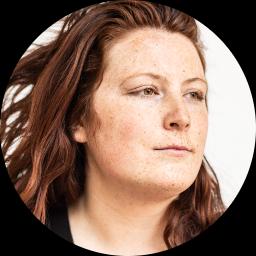
About Mallory
Mallory brings an addiction medicine and mental health background to sessions. She uses a trauma-informed approach that pays attention to past harm and how it shows up today. In practical terms she helps people notice unhelpful patterns and practices new ways of responding to them.
She also centers work around queer and BIPOC liberation, so conversations about identity, systemic stress, and cultural context are part of the clinical picture when relevant. That emphasis shapes how she talks about coping, boundaries, and relationships.
Sessions are collaborative and goal-oriented. Mallory focuses on concrete steps to change repeated behaviors and to support better daily functioning. She may combine interventions aimed at substance use, emotional regulation, and repairing communication patterns.
People who come in with intense self-blame, shame, or repeated cycles of substance use often find the work moves between exploring history and practicing new skills. Mallory encourages clarity about values, identifying triggers, and strengthening supports so clients can begin different routines in their lives.
Areas of expertise
Primary focus
Additional focus areas
Experience
6+ years
Credentials
Colorado
Languages
English
How therapeutic methods fit into online work
Mallory describes her approach as trauma-informed and rooted in addiction medicine. A trauma-informed method looks at past harm and how it affects current behavior, helping to identify triggers and safer ways to respond. This approach is commonly used for trauma, abuse, dissociation, and patterns tied to shame or self-blame.She also draws on behavioral and skill-based techniques to change repeated patterns. Those techniques involve identifying specific triggers, practicing new responses in session, and building routines that reduce impulsivity and substance use. This kind of work often helps with communication problems, codependency, and emotion regulation.
Finding the right approach is part of the work. Mallory will talk with each person about their goals, symptoms, and what has or has not helped before. Together they decide which methods to try and adjust them based on progress and preference.
The original biography did not list exact online session formats. Please confirm current session options before booking. Online sessions can make it easier to fit therapy into a busy life - for example by removing travel time, allowing shorter check-ins during a work break, or avoiding camera use when that helps someone feel more comfortable.
Frequently asked questions
What concerns does she address?
She works with addictions, relationship issues, trauma and abuse, parenting stress, and self-esteem problems. Guilt and shame are listed as additional focus areas.
How does she approach guilt and shame?
She uses a trauma-informed approach and practical interventions to notice patterns and try new responses. Conversations often move between history and current habits.
What is her professional background?
Mallory has six years of experience in addiction medicine and mental health practice. She combines that background with trauma-informed work and attention to systemic context.
What credentials and location are listed?
She holds LCSW and CSW credentials and practices in Colorado.
In which language are sessions offered?
Sessions are offered in English and international clients are not currently accepted.
What session formats are available?
The original biography did not specify session formats. Please confirm current session options before booking.
How does payment work?
Costs vary with location and sessions use a subscription model that can be canceled at any time.
How do I begin working with her?
Select the See online therapy options button, complete a short matching questionnaire, and schedule your first session.
Before you get in touch
The therapists listed here offer talking therapy online. A profile shows how someone describes their work; it cannot tell you how therapy will go, and nobody can promise that guilt or shame will ease by a certain time.
If you are thinking about harming yourself, or you feel unsafe, please contact a crisis line now. The numbers are at the foot of this page.