- Attachment focus
- Trauma resiliency skills
- Decolonizing lens
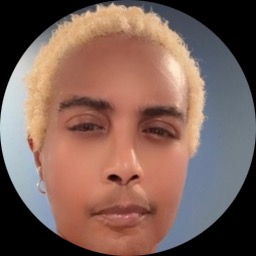
About Lorraine
She describes how many painful patterns begin early, often as attachment wounds that shape how people relate to themselves and others. Lorraine focuses on intergenerational trauma and the harms carried by communities as well as individuals. She draws on attachment theory, Community and Trauma Resiliency Model skills, and a decolonizing lens to inform her work.
Sessions emphasize naming what has been buried and understanding how past harms show up now. Conversations aim to clarify the patterns that keep someone stuck and to build practical skills for regulation and repair. Lorraine uses concrete tools from trauma resiliency approaches to help people feel more steady in daily life.
She also pays attention to identity and context, including how prejudice or cultural expectations shape shame and self-worth. That perspective shapes how she frames goals and the steps toward them. The work is collaborative and paced to what a person can handle.
People seeking support should expect clear discussion about past wounds and present difficulties, with attention to feeling states and relationship patterns. To begin, readers are asked to use the site matching process to schedule an initial session and see what this approach feels like in practice.
Areas of expertise
Additional focus areas
Experience
6+ years
Credentials
Colorado
Languages
English
Approaches used and how online sessions work
Evidence-based practices mentioned in her profile include attachment-informed work and Community and Trauma Resiliency Model skills. Attachment-informed work looks at early relationship patterns and how they shape current behavior and feelings, which can help with intimacy issues and persistent shame. Trauma Resiliency Model skills teach concrete ways to notice bodily responses and use simple regulation techniques to reduce overwhelming distress.Finding the right approach is part of the process. Lorraine will work with a client to figure out which techniques fit their needs, goals, and preferences. She uses a collaborative method, checking in about what helps and adjusting strategies over time.
The site indicates a subscription-based session structure and asks people to use the matching questionnaire to schedule a first session. The biography does not specify exact online session formats, so confirm current session options before booking. Many people find online sessions easier to fit into busy days, allow for shorter check-ins when needed, and avoid travel time, which can make regular work with a therapist more practical.
Frequently asked questions
What kinds of issues does she address?
She works with trauma and abuse, grief, intimacy-related issues, self-esteem struggles, and compassion fatigue, and also lists guilt and shame among her focus areas.
How would she describe her therapeutic style?
Her style centers on addressing root causes like attachment wounds and intergenerational trauma, using skills-based trauma resiliency tools and a decolonizing perspective.
How much experience does she have?
She has six years of clinical experience as a Licensed Professional Counselor.
What credential and region does she practice under?
She practices as an LPC in Colorado.
Which languages are sessions offered in?
Sessions are offered in English only.
Can people outside the United States work with her?
She is not accepting international clients at this time.
How are fees handled?
Cost varies with location and sessions use a subscription model that can be canceled at any time.
What are the first steps to begin working together?
Click the See online therapy options button, complete the short matching questionnaire, and schedule a first session.
Before you get in touch
The therapists listed here offer talking therapy online. A profile shows how someone describes their work; it cannot tell you how therapy will go, and nobody can promise that guilt or shame will ease by a certain time.
If you are thinking about harming yourself, or you feel unsafe, please contact a crisis line now. The numbers are at the foot of this page.