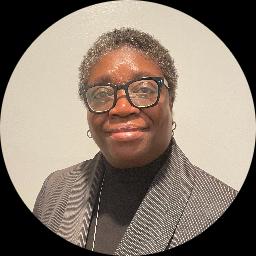
Dr. Lisa Hines
LCSWIllinois · 30 yrs exp
LCSW in Illinois - Stress and Trauma
Stress, Anxiety · Relationship · Trauma and abuse · Depression · +1 more
Read profileTherapist listings come from BetterHelp. We will earn a commission at no extra cost to you if you use our links to buy.
Explore profiles grouped under the listed location Illinois to compare how therapists describe their focus on guilt and shame. You can review focus areas, approaches, credentials and languages to help you decide which profiles to read more closely.
When you find profiles that look relevant, open them to learn about each clinician and confirm whether they have permission to work where you live before reaching out.
Illinois · 30 yrs exp
LCSW in Illinois - Stress and Trauma
Stress, Anxiety · Relationship · Trauma and abuse · Depression · +1 more
Read profile
Illinois · 3 yrs exp
LCSW - Trauma, Guilt and Shame
Stress, Anxiety · Addictions · LGBT · Relationship · +10 more
Read profile
Illinois · 9 yrs exp
LCSW - Anxiety and Trauma
Stress, Anxiety · Trauma and abuse · Self esteem · Depression · +1 more
Read profile
Illinois · 25 yrs exp
LCPC in Illinois - Relationships and Self-esteem
Relationship · Family · Self esteem · Depression · +2 more
Read profile
Illinois · 25 yrs exp
Licensed counselor - Guilt and shame, relationships
Stress, Anxiety · Relationship · Family · Trauma and abuse · +14 more
Read profile
Illinois · 8 yrs exp
LCSW - anxiety and grief
Stress, Anxiety · Trauma and abuse · Depression · Addictions · +11 more
Read profile
Illinois · 3 yrs exp
Illinois LCPC - Guilt and shame, Anxiety
Stress, Anxiety · Relationship · Anger · Self esteem · +1 more
Read profile
Illinois · 26 yrs exp
LCSW - Stress and grief support
Stress, Anxiety · Family · Grief · Self esteem · +1 more
Read profile
Illinois · 4 yrs exp
LCSW in Illinois - Anxiety and Addictions
Stress, Anxiety · Addictions · Trauma and abuse · Self esteem · +1 more
Read profile
Illinois · 6 yrs exp
LCSW - Stress and anxiety focus
Stress, Anxiety · Self esteem · Depression · Coping with life changes · +1 more
Read profile
Illinois · 39 yrs exp
LCSW - Stress and relationship concerns
Stress, Anxiety · Relationship · Grief · Sleeping · +1 more
Read profile
Illinois · 10 yrs exp
LCSW - Guilt and shame, relationships
Stress, Anxiety · Relationship · Trauma and abuse · Self esteem · +13 more
Read profile
Illinois · 20 yrs exp
LCPC in Illinois - Trauma and relationship concerns
Stress, Anxiety · Relationship · Family · Trauma and abuse · +13 more
Read profile
Illinois · 6 yrs exp
Illinois LCSW - Anxiety and Guilt work
Stress, Anxiety · Addictions · Grief · Depression · +1 more
Read profile
Illinois · 5 yrs exp
LCPC - Anxiety and Addictions
Stress, Anxiety · Addictions · LGBT · Anger · +1 more
Read profile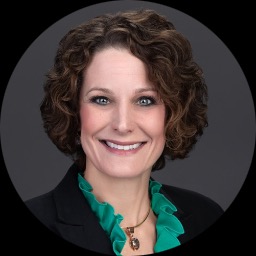
Illinois · 13 yrs exp
LCPC in Illinois - Stress and career support
Stress, Anxiety · Self esteem · Career · Coping with life changes · +1 more
Read profile
Illinois · 10 yrs exp
LCSW - Anxiety and Relationship support
Stress, Anxiety · Relationship · Trauma and abuse · Grief · +1 more
Read profile
Illinois · 6 yrs exp
LCSW for stress and relationships
Stress, Anxiety · Relationship · Family · Self esteem · +1 more
Read profile
Illinois · 5 yrs exp
LCSW - Anxiety and relationships
Stress, Anxiety · Relationship · Depression · Coping with life changes · +1 more
Read profile
Illinois · 30 yrs exp
LCSW - Stress and relationship concerns
Stress, Anxiety · Addictions · Family · Parenting · +11 more
Read profile
Illinois · 18 yrs exp
Illinois LCPC - Anxiety and Guilt work
Stress, Anxiety · Addictions · Self esteem · Depression · +8 more
Read profile
Illinois · 15 yrs exp
Licensed Clinical Social Worker - Guilt and shame, Anxiety
Stress, Anxiety · Trauma and abuse · Anger · Depression · +9 more
Read profile
Illinois · 12 yrs exp
LCPC in Illinois - Anxiety and Addictions
Stress, Anxiety · Addictions · Trauma and abuse · Eating · +1 more
Read profile
Illinois · 3 yrs exp
LCSW - Stress and grief focus
Stress, Anxiety · Grief · Self esteem · Career · +1 more
Read profileWhen you carry guilt or shame, you may notice different kinds of thoughts and feelings. Guilt tends to focus on something you did or did not do - a specific action or decision that feels wrong. Shame usually involves a sense that something is wrong with who you are, as if a core part of your identity is flawed. Both experiences can be painful and can affect how you relate to others, how you act, and how you think about yourself.
Talking through these feelings can help you see them more clearly without moralizing the experience. A conversation that explores the facts, your interpretations, and the emotions connected to them can reveal patterns - for example, recurring self-critical beliefs, family messages that shaped your sense of worth, or cultural expectations that amplify blame. You can use conversation to separate what you did from who you are, to weigh context, and to consider different perspectives on past events. That process can make it easier to make decisions about restitution, reparation, or personal boundaries without promising relief, forgiveness or closure.
If your sense of shame includes thoughts of harming yourself, please contact local emergency services or a crisis line right away. Immediate help is important when safety is at risk, and a clinician can help arrange appropriate supports once you are safe.
The directory groups profiles under the listed location Illinois. A listed location is a way of organizing profiles and does not by itself prove that a clinician has an office at a particular address or current permission to practice in every jurisdiction. You should check each profile for the details the clinician provides about their practice and confirm directly that they are authorized to work with people where you live.
Professionals on this site may come from several countries. In the United States, practitioners commonly hold state licenses that indicate permission to practice in that state. In the United Kingdom and Australia, clinicians may be registered with or hold membership in professional bodies that govern scope and practice. Academic degrees such as PhD, PsyD, MD, MA or MSW describe educational credentials and do not by themselves establish current legal permission to provide care. A degree is distinct from a license, registration or membership, so look for explicit information on a profile and ask questions if the distinction matters to you.
Also keep in mind that a topic listed on a profile does not establish that the clinician treats children, couples, families or specific subpopulations. If you need care for a particular life stage or relationship dynamic, bring that up directly with the clinician to learn about their actual scope of practice.
When you review profiles, think about concrete questions that will help you understand how a clinician works with guilt and shame. Ask which populations they have worked with in relation to shame - for example, people processing shame from family dynamics, faith communities, relationship endings or past mistakes. Request examples of typical themes they see and how they help people make sense of those themes over time. You can also ask how they describe their therapeutic stance - whether they emphasize exploration of meaning, skills for self-compassion, or working with memories and bodily experience.
Therapists often list approaches on their profiles. If you see an approach you have heard of, such as cognitive-behavioral strategies, psychodynamic perspectives, or therapists who list EMDR among their approaches, treat that as a starting point for a conversation rather than proof of training. Ask what experience they have specifically with shame-related work and what kinds of outcomes people commonly explore. If cultural, spiritual or identity issues are involved in your shame, ask how they work with those dimensions and whether they have experience with similar concerns.
Concrete questions might include: Which kinds of shame-related issues have you worked with most often? How do you describe your role when helping someone notice and reframe self-directed beliefs? What would you expect to focus on in early conversations about my situation? These sorts of questions will give you a clearer sense of whether the clinician’s described experience and approach match what you are seeking.
If you are considering contacting someone whose profile indicates they work remotely, there are several practical topics to clarify before you begin. Confirm whether the clinician has permission to work with people in your state or country, since regulatory rules vary and can affect the services someone is permitted to provide across borders. Ask how they handle privacy and record keeping, what platforms they use to communicate, and what the clinician’s expectations are for cancellations, emergency contacts and boundaries outside scheduled conversations.
It is helpful to discuss plans for moments of crisis. Ask how the clinician would respond if you were experiencing intense shame accompanied by thoughts of harming yourself. Find out what local resources they recommend in your area and whether they request a local emergency contact for safety planning. If you rely on technology, agree on backup plans if a connection fails and on how to reach each other in situations that require immediate attention.
Because profiles are grouped by listed location, confirm with the clinician whether they can legally and ethically work with you where you live. That confirmation is especially important if you live in a different state or country than the clinician’s listed location. Checking these details ahead of time helps you focus on the emotional work when conversations begin.
Comparing profiles is about matching practical details and therapeutic style with what you need. Look at how each profile describes focus areas - some clinicians explicitly mention shame related to family of origin, faith-based issues, relationships, or past actions and decisions. Read how they frame that work. Does the language emphasize exploration of meaning, developing self-compassion, behavioural changes, or understanding relational patterns? That phrasing can give you a sense of style.
Languages offered are an important practical dimension. If you want to speak in a language other than English, prioritize profiles that list your preferred language and inquire about comfort with culturally specific idioms or concepts that matter to you. For credentials, note the difference between academic degrees and regulatory permissions. A PhD or MSW indicates the clinician’s training background; licensing, registration or professional membership indicates current permission to practice in specific jurisdictions. If a profile is unclear, ask for clarification before proceeding.
Finally, consider tone and accessibility. Profiles that describe how clinicians work with difficult emotions, how they approach sensitive topics like moral distress or family shame, and what values guide their practice can help you anticipate how it might feel to speak with them. If cultural competence or shared identity is relevant to you, look for profiles that mention experience with similar cultural, religious or identity contexts and ask how that influences their approach. After you compare these elements, open the profiles that feel most aligned and confirm permission to work together where you live before making contact.
Browse the Illinois profiles to see how clinicians describe their experience with guilt and shame, and use the questions above to guide what you ask next. Confirm credentials and legal permission to practice in your jurisdiction, bring up any safety concerns, and choose clinicians whose approaches and language feel like a reasonable match for the work you want to do.
Addictions
1967 therapists
Anger
2126 therapists
Control Issues
2263 therapists
Depression
4412 therapists
Eating Disorders
626 therapists
Grief
2911 therapists
Intimacy Issues
1351 therapists
Isolation / Loneliness
3827 therapists
Midlife Crisis
1485 therapists
Mood Disorders
2399 therapists
OCD
727 therapists
Panic Disorder and Panic Attacks
2315 therapists
Post-Traumatic Stress
2970 therapists
Self Esteem
4100 therapists
Sexual Trauma
745 therapists
Social Anxiety and Phobia
3352 therapists
Stress & Anxiety
5069 therapists
Trauma and Abuse
3517 therapists
Abandonment
2023 therapists
Attachment Issues
2338 therapists
Body Image
1454 therapists
Career
1634 therapists
Caregiver Issues and Stress
2071 therapists
Codependency
1148 therapists
Communication Problems
4195 therapists
Compassion Fatigue
1460 therapists
Coping with Life Changes
3499 therapists
Divorce
2291 therapists
Family
2391 therapists
Forgiveness
3679 therapists
Infidelity
774 therapists
Life Purpose
3921 therapists
Parenting
1666 therapists
Relationship
3480 therapists
Self-Love
4061 therapists
Sexuality
976 therapists
Workplace Issues
2106 therapists