
Folayan Williams
LPCGeorgia · 13 yrs exp
LPC in Georgia - Guilt and relationship concerns
Stress, Anxiety · Relationship · Family · Self esteem · +13 more
Read profileTherapist listings come from BetterHelp. We will earn a commission at no extra cost to you if you use our links to buy.
Browse profiles of professionals listed in Georgia who include guilt and shame among their focus areas. You can compare credentials, approaches, languages and professional background to help find profiles that match your needs.
Use the listing grid above to open individual profiles and learn more about each professional. Confirm permission to work together where you live before making any commitments.
Georgia · 13 yrs exp
LPC in Georgia - Guilt and relationship concerns
Stress, Anxiety · Relationship · Family · Self esteem · +13 more
Read profile
Georgia · 5 yrs exp
Licensed Clinical Social Worker - Stress and Anxiety
Stress, Anxiety · Self esteem · Depression · Coping with life changes
Read profile
Georgia · 8 yrs exp
LPC - Anxiety and trauma focused
Stress, Anxiety · Trauma and abuse · Self esteem · Bipolar · +8 more
Read profile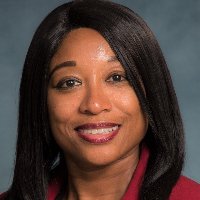
Georgia · 8 yrs exp
Dr. Vivia Hill-Silcott - LPC, Guilt and shame focus
Stress, Anxiety · Relationship · Family · Grief · +11 more
Read profile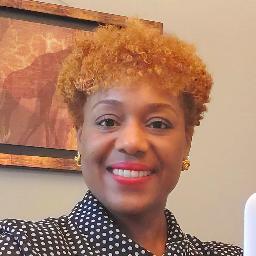
Georgia · 4 yrs exp
Licensed Professional Counselor - Anxiety and Relationships
Stress, Anxiety · Relationship · Trauma and abuse · Self esteem · +1 more
Read profile
Georgia · 14 yrs exp
Licensed Professional Counselor - Stress and relationships
Stress, Anxiety · Relationship · Trauma and abuse · Anger · +9 more
Read profile
Georgia · 16 yrs exp
LPC in Georgia - Guilt and mood concerns
Stress, Anxiety · Addictions · Trauma and abuse · Bipolar · +1 more
Read profile
Georgia · 29 yrs exp
LCSW focusing on anxiety and grief
Stress, Anxiety · Addictions · Relationship · Trauma and abuse · +1 more
Read profile
Georgia · 20 yrs exp
Licensed counselor - anxiety and trauma
Stress, Anxiety · Relationship · Trauma and abuse · Self esteem · +1 more
Read profile
Georgia · 15 yrs exp
Licensed Professional Counselor - Guilt and addiction focus
Stress, Anxiety · Addictions · Family · Trauma and abuse · +1 more
Read profile
Georgia · 6 yrs exp
Licensed Professional Counselor - Mood and relationships
Stress, Anxiety · Relationship · Family · Bipolar · +1 more
Read profile
Georgia · 10 yrs exp
LPC counselor - relationships and stress
Relationship · Anger · Career · Compassion fatigue · +9 more
Read profile
Georgia · 25 yrs exp
LISW and LCSW - Guilt and shame, relationships
Stress, Anxiety · Parenting · Anger · Self esteem · +15 more
Read profile
Georgia · 12 yrs exp
Licensed counselor - Stress and trauma
Stress, Anxiety · Addictions · Trauma and abuse · Anger · +1 more
Read profile
Georgia · 23 yrs exp
Licensed Professional Counselor - Depression and Anxiety
Stress, Anxiety · LGBT · Grief · Self esteem · +1 more
Read profile
Georgia · 7 yrs exp
LMFT in Georgia - Relationships and Mood
Stress, Anxiety · Relationship · Family · Self esteem · +1 more
Read profile
Georgia · 4 yrs exp
LPC - Anxiety and Relationship concerns
Stress, Anxiety · Family · Trauma and abuse · Depression · +13 more
Read profile
Georgia · 3 yrs exp
Licensed Professional Counselor - Guilt and shame
Stress, Anxiety · Addictions · Relationship · Grief · +1 more
Read profile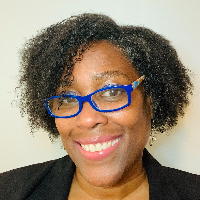
Georgia · 3 yrs exp
Licensed Professional Counselor - Stress and Anxiety
Stress, Anxiety · Self esteem · Career · Depression · +1 more
Read profile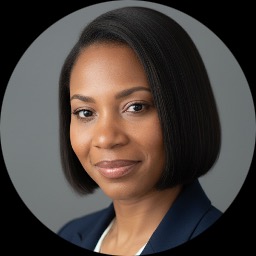
Georgia · 10 yrs exp
Licensed clinical social worker - Guilt and shame focus
Stress, Anxiety · Relationship · Self esteem · Depression · +1 more
Read profile
Georgia · 12 yrs exp
Licensed Professional Counselor - Anxiety and Relationships
LGBT · Relationship · Bipolar · Coping with life changes · +6 more
Read profile
Georgia · 14 yrs exp
Licensed Professional Counselor - Stress and Relationships
Stress, Anxiety · Addictions · Relationship · Grief · +1 more
Read profile
Georgia · 19 yrs exp
Licensed Professional Counselor - Stress and Trauma
Stress, Anxiety · Addictions · Trauma and abuse · Self esteem · +11 more
Read profile
Georgia · 12 yrs exp
Licensed counselor - Anxiety and trauma
Stress, Anxiety · Trauma and abuse · Grief · Self esteem · +1 more
Read profileGuilt and shame often feel similar because both touch on how you relate to past actions, identity and relationships. Guilt usually focuses on something you did or failed to do - a behavior that feels wrong or harmful in retrospect. Shame is more about how you see yourself - a sense that something about who you are is flawed or unacceptable. You may carry guilt after a specific incident or feel a pervasive shame that affects your self-esteem and social interactions.
Talking through these feelings can give you a clearer sense of whether your distress is tied to specific events, the meaning you have attached to those events, or ongoing patterns in how you treat yourself. When you describe scenarios and reactions aloud, it becomes easier to separate the facts from the narratives your mind repeats. A professional can help you identify unhelpful thought patterns, explore coping strategies, and support you in deciding what changes you want to pursue in relationships or behavior. This process is about clarity and understanding rather than moral judgement or promises of forgiveness. If your shame comes with thoughts of self-harm or you feel at immediate risk, contact emergency services (for example, 911 in the United States, 999 in the United Kingdom, 000 in Australia) or a local crisis line right away.
When a profile appears under Georgia it reflects the listed location on that profile. A listed location does not automatically mean the person has an office address nearby, is currently working in that jurisdiction, or is permitted to work with every resident of Georgia. Profiles collect information that professionals choose to share, and those entries can change. It is important to open individual profiles to read their descriptions and reach out directly to confirm whether they can work with you where you live.
The directory includes professionals from the United States, the United Kingdom and Australia. In the United States many practitioners will list state licenses and titles such as LCSW, LPC, LMFT or other state-level credentials. In the United Kingdom and Australia professionals may list registration, membership, or recognised professional bodies appropriate to their countries. Academic degrees such as PhD, PsyD, MD, MA and MSW describe educational qualifications and are distinct from licenses, registration or membership. A degree alone does not establish current permission to practice. Profiles may vary in how much they show about credentials and practice setting, so checking the profile details and asking clear questions is recommended.
When you open a profile you can look for language that describes how the person works and what they focus on. Rather than assume every professional uses the same techniques, ask about the specific approaches they list. If you see a modality you have heard of, such as EMDR, you might ask whether they often work with that approach and how they describe integrating it with other strategies. Phrase questions that matter to you - for example, ask how they typically explore feelings of shame, whether they focus on the present moment or past events, and how they involve thinking patterns or relational dynamics in sessions.
Ask about experience relevant to your situation, such as working with consequences of trauma, navigating feelings after relational breaches, or the intersection of faith and self-judgment if that applies to you. Don't assume that a listed topic means the professional treats children, couples or families; ask whether they have worked with adults with similar concerns and what kinds of outcomes other clients found meaningful. Request clarification about what a degree or credential on the profile represents in terms of current permission to practice in your jurisdiction. These concrete questions help you evaluate whether a profile aligns with what you hope to address.
If you are considering contact that will occur by phone, video or messaging, it is helpful to discuss how the professional manages practical and legal aspects of remote work. Ask whether they are authorized to conduct remote sessions for residents of Georgia and what the profile's listed location implies about their ability to work across state or national lines. Clarify how they handle scheduling, how to reach them in non-appointment times, and what their expectations are for session length and communication outside sessions.
Talk about what you want from the process and how you prefer to be supported. You might describe whether you want focused problem-solving around a particular incident, deeper work on an ongoing sense of shame, or help navigating relationships affected by guilt. Discuss how they monitor risk and safety, and what steps they recommend if distress increases between contacts. Because communication style matters, ask about how they typically give feedback, offer reflections and invite collaboration. These topics help set practical terms and mutual understanding without assuming anything from the listing alone.
When you compare profiles in Georgia, look at the combination of focus areas, languages, credentials and the writing style the professional uses to describe their work. Focus areas tell you what topics a person lists, such as guilt, shame or trauma. A profile that lists guilt and shame indicates interest or experience with those topics, but it is not evidence of specialty certification. Pay attention to whether they mention particular populations or contexts, and remember to ask directly about scope if your needs involve children, couples, or family systems.
Languages listed can be important for feeling understood. If a profile notes work in a language you prefer, ask how language factors into sessions - whether they switch languages fluidly or use interpreters. For credentials, distinguish between degrees and permissions to practice. A PhD, PsyD or MD describes training; state licenses in the United States and registration or membership in the United Kingdom and Australia describe professional authorization. Finally, read the tone of the profile. A professional who writes in plain, collaborative terms may offer a different interpersonal style than someone who uses technical language. Thinking about what kind of conversational tone helps you feel heard can guide which profiles you choose to contact.
As you browse, remember that the directory groups profiles by listed location and that the profile content is the best source for up-to-date details. Confirm permission to work together where you live and raise any specific questions that matter to you. If shame or guilt includes immediate risk or thoughts of self-harm, seek emergency help or a crisis line rather than waiting to connect with a professional. This resource is intended to help you compare profiles and prepare for productive conversations with professionals who list guilt and shame among their focus areas.
Addictions
1967 therapists
Anger
2126 therapists
Control Issues
2263 therapists
Depression
4412 therapists
Eating Disorders
626 therapists
Grief
2911 therapists
Intimacy Issues
1351 therapists
Isolation / Loneliness
3827 therapists
Midlife Crisis
1485 therapists
Mood Disorders
2399 therapists
OCD
727 therapists
Panic Disorder and Panic Attacks
2315 therapists
Post-Traumatic Stress
2970 therapists
Self Esteem
4100 therapists
Sexual Trauma
745 therapists
Social Anxiety and Phobia
3352 therapists
Stress & Anxiety
5069 therapists
Trauma and Abuse
3517 therapists
Abandonment
2023 therapists
Attachment Issues
2338 therapists
Body Image
1454 therapists
Career
1634 therapists
Caregiver Issues and Stress
2071 therapists
Codependency
1148 therapists
Communication Problems
4195 therapists
Compassion Fatigue
1460 therapists
Coping with Life Changes
3499 therapists
Divorce
2291 therapists
Family
2391 therapists
Forgiveness
3679 therapists
Infidelity
774 therapists
Life Purpose
3921 therapists
Parenting
1666 therapists
Relationship
3480 therapists
Self-Love
4061 therapists
Sexuality
976 therapists
Workplace Issues
2106 therapists