- Client-Centered Therapy
- Cognitive Behavioral Therapy
- Trauma-Focused work
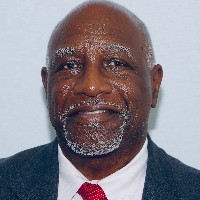
About Wayne
Wayne trained with a master’s degree in counseling psychology and has practiced as a professional counselor in Nebraska and Michigan. His work includes experience with law enforcement trauma and police survivors, and he has certification related to gambling concerns through the Michigan Council of Professional Gambling.
In sessions he focuses on building self-awareness and clearer understanding of what keeps someone stuck. He aims to identify the mental health issues that interfere with daily functioning and coping. Conversations tend to focus on specific challenges and practical steps that help with everyday tasks.
Wayne draws on Client-Centered Therapy to follow what each person brings to the room, and uses Cognitive Behavioral Therapy to look at thoughts and behaviors that maintain distress. He also integrates Motivational Interviewing and Trauma-Focused Therapy when the situation calls for it.
He frames obstacles as opportunities for change and works with people to find the strengths they already have. People looking at forgiveness, guilt and shame, or recovery from loss often explore ways to rebuild routine, address painful memories, and set manageable goals for the present.
Areas of expertise
Primary focus
Also works with
Additional focus areas
Therapeutic approaches
Experience
25+ years
Credentials
Michigan
Languages
English
How Wayne’s approaches translate to online work
Client-Centered Therapy focuses on listening closely to what each person brings and following their pace; online sessions can preserve that careful, person-led conversation and help clarify what matters most. Cognitive Behavioral Therapy looks at the connection between thoughts, feelings and behaviors and gives concrete exercises to try between sessions; these techniques adapt well to remote meetings and short practical assignments.Finding the right approach is part of the work. Wayne will collaborate with each person to decide which methods fit their goals, needs, and preferences, adjusting methods as progress and feedback guide the plan.
The original biography does not list specific session formats, so please confirm current options before booking. Many people find online sessions easier to fit into a busy day, allow for shorter check-ins when needed, or reduce travel time. Discuss scheduling preferences and practical arrangements when you set up the first appointment so sessions fit with everyday life.
Frequently asked questions
What kinds of concerns does he help with?
He works with stress, anxiety, trauma and abuse, grief, depression, addictions, relationship and intimacy issues, and concerns such as guilt and shame.
How would he approach feelings of guilt or shame?
He combines client-centered listening with cognitive behavioral techniques to identify thoughts and behaviors that keep guilt or shame active, and uses trauma-focused methods when past harms are involved.
How much clinical experience does he have?
He has 25 years of counseling experience, including work with law enforcement trauma and support for police survivors.
What credential does he hold and where is he based?
He is an LPC - Licensed Professional Counselor, practicing in Michigan and with prior work in Nebraska.
Can I work with him if I live outside the United States?
Sessions are offered in English and he accepts international clients.
What session formats are available?
The original biography does not list specific session formats; confirm current session options before booking.
How are fees handled?
Cost varies with location and sessions use a subscription that can be canceled at any time.
How do I begin working with him?
Start by selecting the See online therapy options button, completing a short matching questionnaire, and scheduling a first session.
Before you get in touch
The therapists listed here offer talking therapy online. A profile shows how someone describes their work; it cannot tell you how therapy will go, and nobody can promise that guilt or shame will ease by a certain time.
If you are thinking about harming yourself, or you feel unsafe, please contact a crisis line now. The numbers are at the foot of this page.