- Trauma recovery
- Anxiety reduction
- Guilt and shame
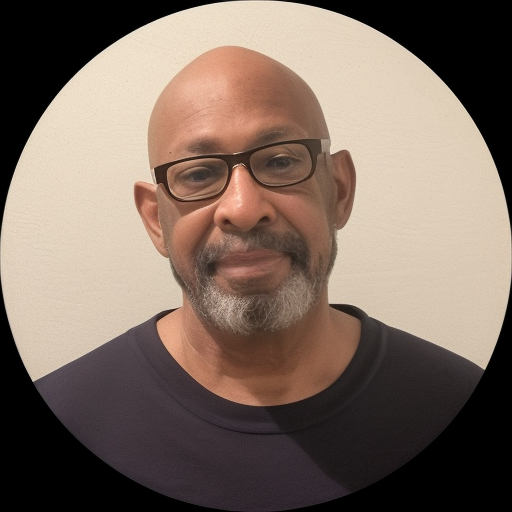
About Washington
Washington offers straightforward, practical conversation rather than clinical jargon. Sessions are focused on the problems a person brings - what’s happening now, and what has led to those feelings. He listens for patterns that keep people stuck and helps name small steps that can be tried between sessions.
His practice draws on evidence-based therapeutic techniques to support trauma recovery and reduce overwhelming anxiety. That can include tools for managing intrusive memories, calmer thinking, and rebuilding clearer communication in relationships. The work is paced to the person’s readiness and attention span.
He places attention on how guilt and shame show up in daily life and in relationships. Washington helps people separate what they did from who they are, and to face practical choices about making amends, setting boundaries, or carrying less blame.
People who come to him leave sessions with concrete skills they can use right away. He encourages steady progress through short experiments, repeated practice, and review of what does and does not help. This approach aims to make hard problems feel more manageable over time.
Areas of expertise
Primary focus
Additional focus areas
Experience
21+ years
Credentials
North Carolina
Languages
English
How evidence-based approaches translate to online work
Evidence-based therapeutic techniques used in his practice typically include approaches that help process traumatic memories and techniques that reduce anxiety. For trauma work, this often means carefully revisiting distressing experiences in a paced way while building skills to manage intense emotions. For anxiety, practical strategies focus on changing unhelpful thinking and practicing manageable exposures to feared situations.Finding the right approach is treated as a collaborative process. The therapist and client will review goals, try methods, and adjust what's used based on how well it fits the person's needs and preferences. This helps keep the work relevant and focused on real-life changes the person wants to see.
Confirm the current session options before booking, because formats are not specified in the biography. In general, online sessions can make it easier to schedule therapy around work and family commitments. They may reduce travel time, allow for shorter check-ins when that is helpful, and make it simpler to keep appointments during busy weeks. Therapists who offer remote sessions also often adapt exercises so they work in everyday settings and can be practiced between meetings.
Frequently asked questions
What kinds of problems does he help with?
He works with stress, anxiety, relationship difficulties, trauma and abuse, self-esteem, and coping with life changes. Additional areas include communication problems, control issues, forgiveness, guilt and shame, isolation, and social anxiety.
How would he approach feelings of guilt or shame?
The approach focuses on identifying how guilt and shame appear in daily life and relationships. He helps people separate actions from identity and consider practical steps like making amends or setting boundaries.
What is his background and experience?
He has 21 years of clinical experience working in mental health settings. That experience informs a practical style aimed at clear skills and steady progress.
What credential does he hold and where is he based?
He is a Licensed Clinical Mental Health Counselor (LCMHC) licensed in North Carolina and practices there.
Which languages are sessions offered in?
Sessions are offered in English.
Can international clients work with him?
He does not accept international clients at this time.
How are sessions priced?
Cost varies with location; sessions use a subscription that can be canceled at any time.
How do I begin working with him?
Select the See online therapy options button, complete a short matching questionnaire, and schedule a first session.
Before you get in touch
The therapists listed here offer talking therapy online. A profile shows how someone describes their work; it cannot tell you how therapy will go, and nobody can promise that guilt or shame will ease by a certain time.
If you are thinking about harming yourself, or you feel unsafe, please contact a crisis line now. The numbers are at the foot of this page.