- Client-centred work
- Cognitive behavioural ideas
- Guilt and shame focus
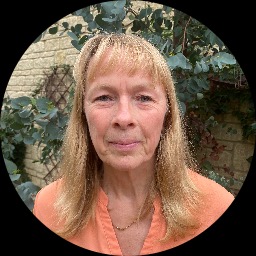
About Virginia
Virginia helps people with stress, anxiety, relationship problems, grief and depression. She also supports those facing life changes, addiction concerns, anger, low self-esteem and career questions. Guilt and shame are listed among her areas of focus for people wanting to talk through difficult feelings.
Her work uses client-centred conversations alongside cognitive behavioural ideas. That means sessions often start with what matters most to the person and then try practical ways to notice and change unhelpful thinking or behaviour. The approach is straightforward and task-focused when needed, but stays guided by the person's own priorities.
Past roles give her a lot of experience with loss, end-of-life issues and long-term health challenges. She has also worked with attachment and adoption matters, communication difficulties and isolation. She mentions caregiver stress, ageing concerns and intellectual disability among topics she has supported.
Virginia keeps monthly supervision and follows the British Association for Counsellors and Psychotherapists code of ethics. She enjoys swimming, walking, cycling and reading outside of work.
Areas of expertise
Primary focus
Also works with
Additional focus areas
Therapeutic approaches
Experience
24+ years
Credentials
United Kingdom
Languages
English
How her approaches work for online counselling
Client-Centred Therapy is built around the person's own concerns and priorities. In practice this means the counsellor listens closely, reflects what she hears and helps the person decide what to focus on next. It suits people who need a thoughtful space to make sense of feelings such as guilt or grief.Cognitive Behavioural Therapy, or CBT, looks at the links between thoughts, feelings and actions. Sessions include noticing patterns of thinking and trying small, practical experiments to change unhelpful habits. That approach can help with anxiety, low mood and managing difficult memories or behaviours.
Choosing an approach is part of the work and usually happens together. The counsellor will talk with the person about goals, preferences and what feels most useful, and then agree a way of working that pulls from both client-centred listening and CBT ideas.
The biography records training in online counselling but does not list specific session formats. Confirm the session options available before booking. Online sessions can make it easier to fit counselling around daily life, cut out travel time and allow shorter check-ins when needed. Registered or accredited professionals often use this flexibility to help sessions suit a client's routine rather than the other way round.
Frequently asked questions
What kinds of problems does she help with?
She helps people with stress, anxiety, relationship issues, grief and depression. Her listed areas also include addictions, anger, self-esteem and guilt and shame.
How would she approach shame or guilt in sessions?
She combines client-centred listening with cognitive behavioural techniques. That means she listens to what matters most and then works on practical ways to notice and shift unhelpful thoughts and habits.
How much experience does she have?
She has 24 years of counselling experience, including work with Cruse bereavement care and roles in independent practice and further education.
What credential does she hold and where is she based?
She is accredited with the British Association for Counsellors and Psychotherapists (BACP) and practises in the United Kingdom.
Which languages are sessions offered in?
Sessions are offered in English.
Can people outside the UK work with her?
She accepts international clients according to the biography information provided.
What formats are used for sessions?
The biography notes training in online counselling but does not list specific session formats. Confirm current session options before booking.
How are fees and the first steps arranged?
Cost varies with location and sessions run via a subscription that can be cancelled at any time. To begin, use the See online therapy options button, complete the short matching questionnaire and schedule a first session.
Before you get in touch
The therapists listed here offer talking therapy online. A profile shows how someone describes their work; it cannot tell you how therapy will go, and nobody can promise that guilt or shame will ease by a certain time.
If you are thinking about harming yourself, or you feel unsafe, please contact a crisis line now. The numbers are at the foot of this page.