- Guilt and shame
- Anger management
- Depression support
About Valdon
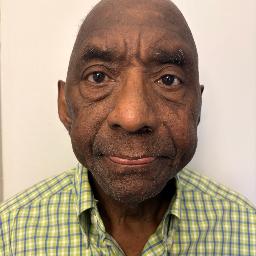
Walker views clients as the experts on their own stories. He looks for strengths people already have and uses those strengths to address what feels stuck. He speaks plainly and keeps sessions focused on practical steps and clearer thinking rather than on jargon or complex theory.
In sessions he helps people talk through communication problems and the lasting effects of shame or guilt. He often focuses on how past events affect day-to-day feelings and choices. Sessions can include straightforward discussion, problem-solving, and ways to manage strong emotions when they arise.
He also supports people dealing with isolation and questions about life purpose. For someone wrestling with forgiveness or self-worth, he aims to unpack small, manageable changes that reduce pressure and increase clarity. His approach is steady and practical, oriented toward what people can do between sessions.
People considering therapy are encouraged to be clear about their goals and to expect a collaborative process. To begin, visitors are asked to use the site’s matching steps to find out more about session options and to schedule a first appointment.
Areas of expertise
Primary focus
Additional focus areas
Experience
40+ years
Credentials
South Carolina
Languages
English
How therapeutic approaches are used in online sessions
Valdon Walker uses evidence-based therapeutic techniques that emphasize practical change and clearer thinking. One common approach focuses on identifying thoughts and behaviors that keep stress and anxiety active, then practicing small changes to those patterns. This helps people who have persistent worry, panic symptoms, or social anxiety to try new responses in everyday situations.Another frequent focus is trauma-informed work that pays attention to how past harm affects current emotions and actions. This approach breaks concerns into manageable pieces so people can address triggers and reduce intense reactions over time. It is a method often used when people report post-traumatic stress or ongoing effects from abuse.
Finding the right approach is collaborative. The therapist will review what the person brings, discuss options, and adjust methods based on the client’s goals and preferences. Clients are invited to give feedback so the work fits their pace and needs rather than following a fixed plan.
For practical concerns about online care, confirm which session formats are offered before booking. The site’s matching steps and scheduling tools guide that process. Online sessions can make it easier to fit therapy into a busy life, allow shorter check-ins when needed, and remove travel time so appointments can happen between work or family responsibilities.
Frequently asked questions
What concerns does he commonly address?
He works with stress, anxiety, trauma and abuse, anger, bipolar disorder, and depression. He also focuses on related issues like guilt and shame, isolation, and communication problems.
How would he approach feelings of guilt or shame?
He helps people talk through what they feel and identifies practical steps to reduce constant self-blame. Sessions focus on understanding how those feelings affect daily choices and relationships.
What is his professional background?
He has 40 years of professional experience working in social work and clinical settings. That experience includes work with mood disorders, trauma, and anger-related concerns.
What credential does he hold and where is he based?
He holds the credential LISW-CP and practices in South Carolina.
Can I see him if I live outside the United States?
Sessions are offered in English and international clients are not currently accepted.
What session formats are available?
The original information does not specify formats. Please confirm current session options before booking.
How are fees handled?
Cost varies with location and sessions use a subscription that can be canceled at any time.
How do I begin working with him?
Select the See online therapy options button, complete the short matching questionnaire, and schedule a first session.
Before you get in touch
The therapists listed here offer talking therapy online. A profile shows how someone describes their work; it cannot tell you how therapy will go, and nobody can promise that guilt or shame will ease by a certain time.
If you are thinking about harming yourself, or you feel unsafe, please contact a crisis line now. The numbers are at the foot of this page.