- ACT and CBT
- Mindfulness practice
- Motivational interviewing
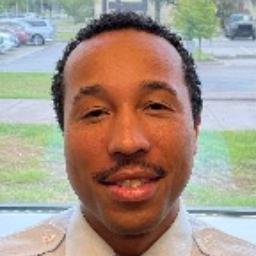
About Tyerell
Dotson uses a collaborative approach in sessions. He aims to guide people toward clearer goals and practical steps. Sessions include talking through current problems, noticing patterns, and trying small changes to test what helps.
He draws on methods such as Acceptance and Commitment Therapy, Cognitive Behavioral Therapy, and client-centered work alongside mindfulness practices and motivational interviewing. That mix is used to help people notice difficult thoughts, shift unhelpful behaviors, and build values-based action.
Many of the concerns he lists include anger management, addiction issues, veteran and first responder stress, money problems, and Guilt and shame. He also notes experience with aging and caregiver stress, communication and commitment problems, infidelity, and isolation or loneliness.
Sessions are practical and goal-focused while staying conversational. New clients complete a short matching questionnaire and then schedule a first session to start. He offers services in English and works from Virginia as an LCSW.
Areas of expertise
Also works with
Additional focus areas
Therapeutic approaches
Experience
5+ years
Credentials
Virginia
Languages
English
How his approaches translate to online work
Acceptance and Commitment Therapy (ACT) focuses on noticing thoughts and choosing actions that match personal values rather than getting stuck trying to eliminate feelings. It can help when guilt or shame keeps someone from moving forward. Cognitive Behavioral Therapy (CBT) looks at connections between thoughts, feelings, and behaviors and teaches practical skills to test unhelpful thinking and change behavior patterns.Picking the right mix of approaches is part of the work. He will collaborate with each person to decide which methods fit their goals, needs, and preferences. That means trying ideas, checking what helps, and adjusting the plan together rather than sticking to one fixed method.
Confirm the exact session formats before booking since format details are not listed here. Online sessions can make it easier to fit appointments into a workday, reduce travel time, and allow shorter check-ins when schedules are tight. If being on camera is difficult, some therapists offer audio-only options or shorter sessions to keep progress manageable. Ask about available formats when you complete the matching questionnaire and schedule your first session.
Frequently asked questions
What concerns does he address?
He lists stress, anxiety, depression, trauma and abuse, self-esteem, addictions, anger, sleep problems, grief, relationship and family issues, and related areas such as guilt and shame.
How does he approach therapy?
He uses a collaborative, talk-based style that mixes Acceptance and Commitment Therapy, Cognitive Behavioral Therapy, client-centered work, mindfulness, and motivational interviewing.
How much experience does he have?
He has five years of clinical experience working as a licensed clinician.
What are his credentials and location?
He is a Licensed Clinical Social Worker (LCSW) licensed in Virginia and practices in that state.
Which languages are supported?
Sessions are offered in English.
Can people outside the United States work with him?
He does not accept international clients at this time.
How are costs handled?
Cost varies with location and sessions use a subscription that can be canceled at any time.
What do I do to begin?
Use the See online therapy options button, complete the short matching questionnaire, and schedule a first session to get started.
Before you get in touch
The therapists listed here offer talking therapy online. A profile shows how someone describes their work; it cannot tell you how therapy will go, and nobody can promise that guilt or shame will ease by a certain time.
If you are thinking about harming yourself, or you feel unsafe, please contact a crisis line now. The numbers are at the foot of this page.