- Client-centered approach
- Cognitive Behavioral Therapy
- Motivational Interviewing
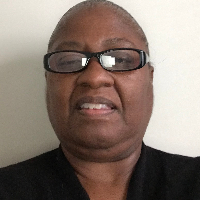
About Trina
She uses a client-centered approach that draws on Cognitive Behavioral Therapy (CBT) and other methods. Sessions focus on identifying practical patterns of thought and behavior, and on setting small, achievable steps. She incorporates motivational interviewing techniques when people face ambivalence about change.
Her background includes work in substance use settings and independent practice. She has experience supporting people living with HIV/AIDS and has worked in correctional settings earlier in her career. Trina also integrates her Christian faith and spiritual beliefs into therapy when clients want that included.
In practical terms, Trina aims to strengthen confidence and self-worth and to support recovery and emotional wellbeing. Conversations in sessions are intended to be direct and focused on workable strategies. She helps people talk through forgiveness, guilt and shame, caregiving stress, communication problems, and challenges tied to relationships and women's issues.
People can expect a straightforward style that uses talk therapy, CBT techniques, narrative elements, and motivational interviewing. She finds paths forward by building on each person's strengths and by helping them test changes between sessions.
Areas of expertise
Primary focus
Also works with
Additional focus areas
Therapeutic approaches
Experience
10+ years
Credentials
North Carolina, New Jersey, Alaska, Washington, Florida, Arizona, Nevada, Oregon
Languages
English
Therapeutic approaches used for remote sessions
Trina commonly integrates Client-Centered Therapy and Cognitive Behavioral Therapy in her work. Client-Centered Therapy focuses on listening and reflecting so people feel understood and can make choices about change. CBT looks at how thoughts and behaviors influence mood and teaches concrete skills to shift unhelpful patterns.She also draws on Motivational Interviewing to help with ambivalence about change. That approach uses straightforward conversation to clarify goals and increase motivation for actions someone actually wants to try. Together these methods can help when dealing with addiction, guilt and shame, grief, or relationship problems.
Deciding which approach fits best is part of the therapeutic process. She works collaboratively with each person to identify goals, try an approach, and adjust based on what helps. This means the method can shift as needs and preferences become clearer.
The original biography does not specify which session formats are offered online, so confirm the available options before booking. Online sessions can make it easier to fit therapy into a workday, reduce travel time, and allow for shorter check-ins when needed. Licensed professionals commonly use a mix of conversational work, CBT exercises, and motivational techniques in remote sessions to keep progress practical and focused.
Frequently asked questions
What concerns does she commonly address?
She works with stress, anxiety, addictions, grief, low self-esteem, depression, relationship and family problems, trauma and abuse, intimacy issues, anger, bipolar disorder, and coping with life changes.
How does she approach guilt and shame in sessions?
She uses a client-centered approach combined with CBT and narrative techniques to help people talk through guilt and shame and to test small changes in thinking and behavior.
What is her professional background?
She has ten years of experience, including work in substance use settings, independent practice, and time supporting people living with HIV/AIDS and in correctional environments.
Which credentials and location apply to her practice?
She holds LPC and LCPC credentials and practices from North Carolina.
Does she offer sessions in other languages or to international clients?
Sessions are offered in English and she accepts international clients.
What session formats are available?
The original biography does not list specific session formats; please confirm current session options before booking.
How is cost handled for sessions?
Cost varies with location and sessions use a subscription that can be canceled at any time.
What are the first steps to begin working together?
Select the See online therapy options button, complete the short matching questionnaire, and schedule a first session.
Before you get in touch
The therapists listed here offer talking therapy online. A profile shows how someone describes their work; it cannot tell you how therapy will go, and nobody can promise that guilt or shame will ease by a certain time.
If you are thinking about harming yourself, or you feel unsafe, please contact a crisis line now. The numbers are at the foot of this page.