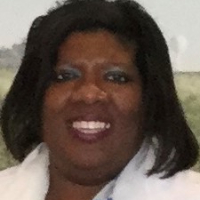
- LPC Arkansas
- CBT and person-centered
- Trauma-informed approach
About Treva
Her practice focuses on practical steps. Sessions look at thoughts, feelings, and behaviors and consider what patterns keep problems going. She uses person-centered methods alongside cognitive approaches to help people notice unhelpful thinking and try different ways of responding.
Treva has worked with people facing dual-diagnosis issues, substance concerns, mood disorders such as bipolar, and adjustment problems linked to work or life changes. She also supports those dealing with grief, anger, isolation, and compassion fatigue. Adoption, attachment and abandonment concerns are included among her areas of experience.
In sessions she combines supportive listening with focused skill work. That can mean identifying thinking patterns, practicing small behavioral changes, or using trauma-focused tools when past events continue to affect daily life. She aims to help people put new strategies into practice between meetings.
Her background in rehabilitation counseling informs a practical orientation toward roles, work, and daily functioning. People who come for help can expect direct discussion about coping strategies, relationship patterns, and specific steps to manage symptoms and demands of everyday life.
Areas of expertise
Primary focus
Also works with
Additional focus areas
Therapeutic approaches
Experience
25+ years
Credentials
Arkansas
Languages
English
How therapeutic approaches guide online sessions
Client-Centered Therapy emphasizes listening and acceptance while helping people describe their thoughts and feelings. It supports work on shame, grief, relationship concerns, and parenting struggles by prioritizing the person's experience and choices.Cognitive Behavioral Therapy (CBT) focuses on identifying unhelpful thoughts and testing new behaviors. It is practical for anxiety, depression, guilt, and patterns that keep problems going by teaching concrete strategies to change thinking and responses.
Treva treats finding the right approach as a collaborative process. She will discuss which methods make sense based on a person's goals, symptoms, and preferences, and adapt the plan as work progresses.
Confirm current session options before booking so you know which online formats are supported. In general, online sessions can make it easier to fit counseling into a work break, avoid travel time, or use a shorter check-in when needed. Ask about the specific ways sessions are scheduled and how the subscription payment works before your first appointment.
Frequently asked questions
What concerns does she help with?
She works with stress, anxiety, depression, trauma and abuse, addictions, relationship and intimacy issues, parenting concerns, grief, and guilt and shame among other areas.
How would she approach feelings of guilt or shame?
Treva uses person-centered listening combined with cognitive techniques to identify thought patterns tied to guilt and shame and to practice different ways of responding.
What is her clinical background?
She has 25 years of counseling and case management experience, including work with dual-diagnosis, mood disorders, substance concerns, and rehabilitation counseling issues.
What credential and location apply to her practice?
She is a Licensed Professional Counselor (LPC) in Arkansas and practices there.
Does she work in languages other than English?
Sessions are offered in English.
Can people from other countries work with her?
She does not accept international clients at this time.
How are sessions scheduled and paid for?
Cost varies with location and sessions use a subscription that can be canceled at any time.
How do I begin working with her?
Select the See online therapy options button, complete a short matching questionnaire, and schedule your first session.
Before you get in touch
The therapists listed here offer talking therapy online. A profile shows how someone describes their work; it cannot tell you how therapy will go, and nobody can promise that guilt or shame will ease by a certain time.
If you are thinking about harming yourself, or you feel unsafe, please contact a crisis line now. The numbers are at the foot of this page.