- DBT for emotion regulation
- CBT for thought patterns
- EMDR for trauma symptoms
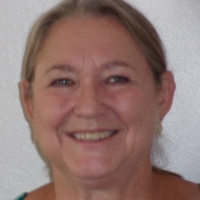
About Toni
Toni listens without judgment and helps people name what feels wrong. She uses both short-term and longer-term goals to shape treatment. Sessions focus on practical steps and clearer thinking rather than abstract theory.
She often uses Dialectical Behavior Therapy (DBT) to strengthen self-regulation, improve decision making, and build confidence. Cognitive Behavioral Therapy (CBT) is used to identify and change thinking patterns that worsen mood and anxiety. Toni also draws on Eye Movement Desensitization and Reprocessing (EMDR) when trauma symptoms are present.
Toni trained at the University of Colorado with a bachelor’s in psychology and a master’s degree in counseling. She has worked in substance use and community mental health settings since 2004. That clinical history includes rural and urban work and clients across the adult lifespan.
Her background outside of therapy has included jobs as a musician, construction worker, nanny, homemaker, and assembly worker. Those experiences shape a down-to-earth approach and practical focus in sessions. To begin, she asks people to reflect on strengths they already use and then builds on those strengths to address guilt, shame, and other concerns.
Areas of expertise
Primary focus
Also works with
Additional focus areas
Therapeutic approaches
Experience
20+ years
Credentials
Colorado
Languages
English
How therapeutic approaches are used for online work
Toni commonly uses Client-Centered Therapy, Cognitive Behavioral Therapy (CBT), and Dialectical Behavior Therapy (DBT) in her work. Client-Centered Therapy focuses on listening and following the person’s priorities so sessions reflect what matters most. CBT looks at patterns of thinking and behavior and teaches practical techniques to test and change unhelpful thoughts. DBT emphasizes skills for emotion regulation, distress tolerance, and improving relationships, which can help with strong shame or guilt reactions.Choosing an approach is a collaborative process. Toni will talk with each person about goals, symptoms, and preferences and then suggest methods to try. The plan can shift over time based on what helps most and what the person is comfortable using.
Confirm current session formats before booking because the original biography did not list specific online or in-person options. Many people find online work useful for fitting sessions into a busy day, having shorter check-ins when needed, or avoiding travel time. Therapists and licensed professionals often adapt CBT exercises, DBT skills coaching, and client-centered conversation to a remote setting so work can continue when meeting in person is harder.
Frequently asked questions
What kinds of problems does she address?
Toni works with stress, anxiety, trauma and abuse, depression, addictions, grief, relationship and intimacy issues, parenting concerns, and mood disorders. Guilt and shame are listed as a focus alongside panic and post-traumatic stress.
How would she approach feelings of guilt or shame?
She uses practical methods like Cognitive Behavioral Therapy to examine unhelpful thoughts and Dialectical Behavior Therapy to build emotion regulation skills. For trauma-related guilt, EMDR is also part of her approach when appropriate.
How much clinical experience does she have?
Toni has worked in the substance use and mental health field since 2004, totaling about 20 years of experience in community settings.
What credential does she hold and where does she practice?
She is a Licensed Professional Counselor (LPC) licensed in Colorado and practices there.
Does she work in languages other than English or with international clients?
Sessions are offered in English and she is not currently accepting international clients.
What session formats are offered?
Confirm current session options before booking, as the original biography did not specify formats and session delivery can change.
How are fees handled?
Cost varies with location and sessions use a subscription that can be canceled at any time.
How do I get started with scheduling?
Select the See online therapy options button, complete the short matching questionnaire, and then schedule a first session.
Before you get in touch
The therapists listed here offer talking therapy online. A profile shows how someone describes their work; it cannot tell you how therapy will go, and nobody can promise that guilt or shame will ease by a certain time.
If you are thinking about harming yourself, or you feel unsafe, please contact a crisis line now. The numbers are at the foot of this page.