- ACT
- CBT
- Mindfulness
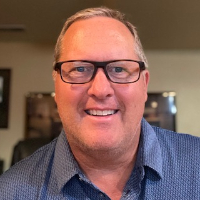
About Timothy
Tim uses straightforward, practical sessions. He starts by listening to what matters most and then explains how therapy works. He spends time on psychoeducation so clients and he use the same language when asking what is happening and why. He adapts pacing to short-term needs or longer work depending on the issue.
In clinical settings he has supported patients in primary care with focused work that produced measurable improvements in as few as five sessions. He has also worked in schools across an entire academic year and in independent practice for extended periods. He brings creativity into sessions at times, including using music and songwriting when appropriate.
Sessions emphasize clear goals, concrete skills, and habits that fit daily life. He draws on therapies such as Acceptance and Commitment Therapy, Cognitive Behavioral Therapy, Dialectical Behavior Therapy, Client-Centered Therapy, and Mindfulness Therapy to help people manage stress and rebuild self-esteem. He avoids labels and focuses on practical steps toward better functioning.
Tim is based in Montana and conducts work in English. He accepts international clients and welcomes questions about whether his style fits specific concerns before scheduling.
Areas of expertise
Primary focus
Also works with
Additional focus areas
Therapeutic approaches
Experience
30+ years
Credentials
Montana
Languages
English
How Tim uses therapy approaches online
Acceptance and Commitment Therapy (ACT) helps people identify what matters to them and take small steps aligned with those values despite painful feelings. It is often useful for anxiety, guilt, and life changes. Cognitive Behavioral Therapy (CBT) focuses on identifying patterns of thinking and behavior and then practicing new responses; it is helpful for depression, anxiety, and managing stress.Finding the right approach is part of the work. Tim listens to the client's concerns, goals, and preferences, and then suggests ways to try different techniques. He treats selection as a collaborative process rather than a one-time decision.
The original profile does not list specific session formats, so confirm current online options before booking. Online work can make it easier to fit sessions into a busy week, allow shorter check-ins when needed, and reduce travel time. It also lets people use methods like mindfulness exercises, behavior tracking, and homework practice in their everyday environment while working with a licensed professional to adjust techniques over time.
Frequently asked questions
What kinds of issues does he help with?
He works with stress, anxiety, depression, trauma and abuse, relationship and intimacy-related issues, parenting, addictions, ADHD, grief and related concerns listed in his profile.
How does he approach guilt or shame?
He listens first and then offers psychoeducation so clients and he share language about what is happening and why. He uses practical skills and therapies like ACT and CBT to address guilt and shame.
What is his background and experience?
He is an LCSW based in Montana with 30 years of clinical experience in medical settings, schools, and independent practice.
What credential and location does he hold?
He holds the MT LCSW credential and practices from Montana.
Does he work in other languages or with international clients?
Sessions are offered in English and he accepts international clients.
What session formats are offered?
The original biography does not specify session formats; please confirm current session options before booking.
How are fees and payment handled?
Cost varies with location and sessions use a subscription that can be canceled at any time.
How do I begin working with him?
Select the See online therapy options button, complete the short matching questionnaire, and schedule a first session.
Before you get in touch
The therapists listed here offer talking therapy online. A profile shows how someone describes their work; it cannot tell you how therapy will go, and nobody can promise that guilt or shame will ease by a certain time.
If you are thinking about harming yourself, or you feel unsafe, please contact a crisis line now. The numbers are at the foot of this page.