- ACT
- CBT
- Attachment
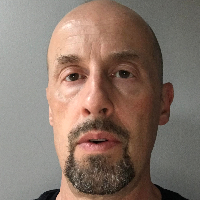
About Thomas
Thomas uses a collaborative style that aims to engage people rather than label them. He combines mindfulness with cognitive-behavioral and attachment approaches to help people talk through painful experiences. Sessions focus on practical steps and steady support rather than jargon or diagnosis.
His background includes work with people affected by abuse, neglect, domestic violence, separation, loss, homelessness, and substance use. That experience informs how he responds to complex grief and trauma-related symptoms. He has worked with both adolescents and adults in those settings.
In sessions he centers clear communication and advocacy. People can expect a clinician who listens, reflects what is said, and suggests concrete tools to manage difficult feelings. Treatment plans are developed together and adjust as needs change.
Thomas aims to help people make sense of painful memories and the guilt or shame that can follow. He supports clients in building strategies for day-to-day coping and improving relationships. If someone wants to try therapy, he asks they complete a short matching questionnaire and schedule an initial session.
Areas of expertise
Primary focus
Also works with
Additional focus areas
Therapeutic approaches
Experience
14+ years
Credentials
Illinois
Languages
English
How Thomas uses ACT, CBT and attachment ideas online
Thomas uses Acceptance and Commitment Therapy (ACT) to help people notice painful thoughts and feelings without being driven by them. ACT focuses on values and small, practical steps that move a person toward what matters despite difficult emotions.He also draws on Cognitive Behavioral Therapy (CBT) to identify unhelpful thinking patterns and to practice clearer, more balanced ways of thinking. CBT often involves tracking moods and trying out new behaviors between sessions.
Attachment-based ideas are used to look at how early relationships shape current reactions and patterns. That work can help with trust, anger, loneliness, and persistent shame that comes from relational wounds.
Choosing an approach is collaborative. Thomas will talk with each person about their goals, symptoms, and preferences, and then try methods that fit. He adjusts the plan as progress and setbacks appear so the work stays relevant.
Confirm the exact session formats before booking. The practical benefits of online sessions are that they can fit around work, reduce travel time, allow shorter check-in appointments when needed, and make it easier to keep continuity of care across locations. Licensed professionals can use online sessions to continue steady, focused work on guilt, shame, trauma, mood, and relationship issues.
Frequently asked questions
What kinds of concerns does he help with?
He works with stress, anxiety, trauma and abuse, grief, anger, depression, addictions, relationship and family concerns, bipolar issues, compassion fatigue, ADHD, and related topics such as abandonment and guilt and shame.
How would he describe his therapeutic approach?
He takes a collaborative and supportive approach, combining mindfulness, cognitive behavioral techniques, attachment perspectives, and trauma-focused work to address difficult feelings and behaviors.
How much clinical experience does he have?
He has 14 years of experience working with people affected by abuse, neglect, domestic violence, separation, loss, depression, bipolar disorder, substance use, and homelessness.
What credential does he hold and where is he located?
He is an LCSW (Licensed Clinical Social Worker) in Illinois.
Can I work with him if I live outside the United States?
Sessions are offered in English and he does accept international clients; confirm practical session details when you book.
What session formats are available?
Please confirm current session options before booking so you know which formats are offered for your location and needs.
How is cost handled for sessions?
Cost varies by location and sessions use a subscription model that can be canceled at any time.
How do I begin if I want to work with him?
Select the See online therapy options button, complete the short matching questionnaire, and schedule your first session.
Before you get in touch
The therapists listed here offer talking therapy online. A profile shows how someone describes their work; it cannot tell you how therapy will go, and nobody can promise that guilt or shame will ease by a certain time.
If you are thinking about harming yourself, or you feel unsafe, please contact a crisis line now. The numbers are at the foot of this page.