- Client-centered work
- CBT techniques
- Trauma-informed EMDR
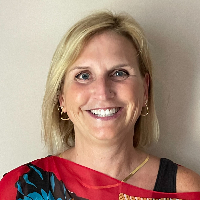
About Tara
Tara uses clear, direct conversation to help people make sense of what they are feeling. She draws on client-centered work to listen and understand each person's priorities. She also uses cognitive behavioral techniques to look at thoughts and behaviors that keep painful feelings going. When trauma is part of the picture she may include trauma-focused methods informed by EMDR and psychodynamic ideas about past influences.
Before moving into her current practice Tara spent years supporting people affected by addiction and worked with children and guardians around autism and behavior challenges. That background informs how she talks about family roles, communication problems, and co-parenting stress. She has volunteered in grief-focused programs for young people and brings that experience to adult grief work.
In sessions she keeps language plain and practical. People can expect focused conversation, guidance on small first steps, and ways to try out changes between meetings. She also offers problem-solving and solution-focused strategies for concrete issues like sleep, substance use patterns, or managing overwhelming days.
Tara invites adults who carry guilt, shame, or ongoing self-blame to look at what keeps those feelings active and to try different ways of responding. If you want to explore whether her approach fits, follow the site's steps to match and schedule an initial meeting.
Areas of expertise
Primary focus
Also works with
Additional focus areas
Therapeutic approaches
Experience
12+ years
Credentials
Pennsylvania, Florida
Languages
English
How her approaches are used in online work
Tara combines client-centered work and cognitive behavioral therapy in practical ways. Client-centered work means conversations that focus on the person's priorities and experience, helping them name what matters. Cognitive behavioral therapy looks at the links between thoughts, feelings, and behaviors and uses small experiments to test different ways of responding.She may also bring elements of trauma-focused work informed by EMDR when past events continue to cause distress. That work focuses on reducing the hold of traumatic memories and on building coping skills to manage triggers. Which approaches are used is a collaborative decision made together, based on the client's needs, goals, and preferences.
Confirm the specific session formats before booking because the biography does not list them. Online meetings can make it easier to fit sessions into busy days, shorten commute time, or reduce the need to be on camera if that helps. Therapists and licensed professionals often adapt exercises, homework, and check-ins so people can practice changes between sessions and apply them in everyday life.
Frequently asked questions
Which concerns does she commonly address?
She works with stress, anxiety, addictions, trauma and abuse, grief, relationship and family concerns, depression, and related issues such as guilt and shame.
How would she approach feelings of guilt or shame?
She uses client-centered conversation and cognitive behavioral techniques to identify thoughts that keep guilt and shame active and to test alternative ways of thinking and behaving.
What experience does she bring to this work?
She has 12 years of clinical experience and many years supporting people with addiction and families affected by autism and behavior challenges.
What are her credentials and where is she based?
She holds LMHC and LPC credentials and practices in Florida.
Can sessions be conducted in other languages or with international clients?
Sessions are offered in English. She is not accepting international clients.
What session formats are offered?
Confirm current session options before booking since session formats are not specified in the biography.
How are sessions paid for and what does cost look like?
Cost varies with location and sessions use a subscription model that can be canceled at any time.
How do I begin a first session?
Select the See online therapy options button, complete the short matching questionnaire, and schedule your first session.
Before you get in touch
The therapists listed here offer talking therapy online. A profile shows how someone describes their work; it cannot tell you how therapy will go, and nobody can promise that guilt or shame will ease by a certain time.
If you are thinking about harming yourself, or you feel unsafe, please contact a crisis line now. The numbers are at the foot of this page.