- CBT techniques
- Attachment focus
- Solution-focused work
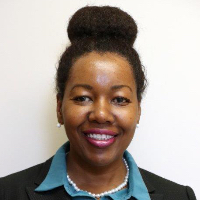
About Tamara
Dr. Woods draws on several practical therapy methods. She uses cognitive behavioral techniques to identify patterns that keep people stuck. She applies solution-focused work to set clear, short-term goals. Client-centered conversations form the base of sessions so the person's priorities guide the work.
Her approach pays attention to attachment and relationship patterns. That can include how early connections influence shame, guilt, or trust in close relationships. Motivational interviewing is used when people want help making changes but feel conflicted or stuck.
Sessions tend to be collaborative and straightforward. Topics often include parenting concerns, blended family issues, caregiving stress, anger, and coping with life changes. She also supports people dealing with trauma, addictions, intimacy-related problems, and challenges around identity and belonging.
Dr. Woods has long experience working with adults on relational themes like abandonment, forgiveness, and family problems. She encourages clear steps and practical coping strategies alongside conversations about underlying feelings. If someone wants to begin, she asks them to complete a brief matching questionnaire and schedule a first session.
Areas of expertise
Primary focus
Also works with
Additional focus areas
Therapeutic approaches
Experience
14+ years
Credentials
Georgia, North Carolina
Languages
English
How therapy approaches translate to online sessions
Attachment-Based Therapy looks at patterns in close relationships and how those patterns show up now. Online sessions can use this approach to talk through how trust, closeness, and past hurt affect current relationships and feelings of guilt or shame.Client-Centered Therapy focuses on the person’s priorities and experiences. In remote sessions this means conversations that follow the person’s lead, with the therapist reflecting concerns and helping clarify what matters most now.
Cognitive Behavioral Therapy (CBT) breaks problems into thoughts, feelings, and actions so people can test and change unhelpful patterns. CBT work online often uses concrete exercises and homework that fit into daily life.
Finding the right approach is part of the work together. The therapist will discuss goals, preferences, and what feels most useful. Decisions about methods are made collaboratively, and can change as needs shift.
Confirm the current session formats before booking so you know what is offered in your area. Online sessions can make it easier to fit appointments into a busy schedule, allow shorter check-ins when needed, and avoid travel time. Discuss practical preferences during your first meeting so sessions fit with everyday life.
Frequently asked questions
What concerns does she address?
She works with adults on depression, anxiety, grief, relationship issues, parenting concerns, bipolar disorder, addictions, and related life changes including guilt and shame.
How would she approach shame or guilt?
She combines attachment-informed discussion with cognitive behavioral tools to notice patterns and practical steps to change unhelpful thinking and behavior.
What is her background and clinical experience?
She has 14 years of experience as an LCSW and more than 20 years working with families in various roles prior to clinical licensure.
Which credentials and location apply to her practice?
She holds LCSW and CSW credentials and practices in North Carolina with NC LCSW and GA LCSW listed in her background.
Does she offer sessions in other languages or outside the country?
Sessions are offered in English. She is not accepting international clients at this time.
What session formats are used?
Confirm current session options before booking so you know which formats are offered for your area and needs.
How does payment and cost work?
Cost varies by location and sessions use a subscription that can be canceled at any time; check the platform details for exact pricing.
What are the first steps to begin working together?
Select the See online therapy options button, complete the short matching questionnaire, and schedule a first session through the platform.
Before you get in touch
The therapists listed here offer talking therapy online. A profile shows how someone describes their work; it cannot tell you how therapy will go, and nobody can promise that guilt or shame will ease by a certain time.
If you are thinking about harming yourself, or you feel unsafe, please contact a crisis line now. The numbers are at the foot of this page.