- Guilt and shame
- Faith-informed practice
- Coping skills
About Stephen
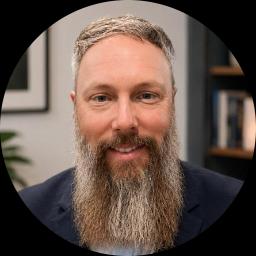
Dustin centers sessions on how a person's beliefs, values, and faith influence their struggles and their recovery. He invites honesty and direct conversation while offering challenge and encouragement. In practical terms that means talking through patterns that keep someone stuck, naming defensive reactions, and practicing different ways to communicate.
He uses evidence-based therapeutic techniques alongside a faith-informed perspective. That includes helping people build specific coping skills for anxiety and addiction, and tools to repair or manage strained relationships. Work often focuses on concrete skills rather than abstract concepts.
When guilt or shame is present, he helps people name the experience, trace how it developed, and try new responses that reduce its intensity over time. Sessions address how attachment patterns affect current relationships and how to change repeated behaviors that cause pain.
People who choose him should expect direct feedback, practical exercises, and attention to personal values and faith. His style is straightforward and goal oriented, with respect for what matters to each person.
Areas of expertise
Primary focus
Additional focus areas
Experience
10+ years
Credentials
Georgia
Languages
English
How evidence-based approaches guide online sessions
He describes his work as grounded in evidence-based therapeutic techniques and a faith-informed viewpoint. Two common approaches he draws on are cognitive behavioral methods and attachment-focused work. Cognitive behavioral methods focus on identifying unhelpful thoughts and practicing alternative responses to reduce anxiety and manage cravings. Attachment-focused work looks at relationship patterns from early experiences and helps people try new ways of connecting without repeating old, painful cycles.Finding the best approach is part of the work together. He will talk with each person about goals, values, and what has or hasn’t helped before. That discussion guides which techniques are used and how sessions are structured, so the plan changes if something isn’t working for the client.
The practical benefits of working online include fitting sessions into a busy life and keeping conversations regular during stressful periods. Because the original biography does not list specific session formats, confirm current session options before booking. Online work can allow shorter check-ins when schedules are tight, reduce travel time, and make it easier to keep momentum between appointments.
Frequently asked questions
What concerns does he focus on?
He works with stress, anxiety, addictions, relationship issues, self-esteem, and coping with life changes. Additional focus areas include attachment struggles, communication problems, divorce and separation, guilt and shame, and life purpose.
How would he describe his therapeutic style?
He blends evidence-based techniques with a faith-informed perspective. Sessions are direct, practical, and oriented toward building skills and clearer communication.
How much experience does he have?
He has ten years of clinical experience working with individuals on transitions and interpersonal problems.
What are his credentials and where is he based?
He is a LCSW and CSW licensed in Georgia and provides services from that state.
Which languages are supported for sessions?
Sessions are offered in English.
Can international clients work with him?
He is not currently accepting international clients.
How are costs and billing handled?
Cost varies with location and sessions use a subscription model that can be canceled at any time.
What do I do to begin working together?
Click the See online therapy options button, complete a short matching questionnaire, and schedule a first session.
Before you get in touch
The therapists listed here offer talking therapy online. A profile shows how someone describes their work; it cannot tell you how therapy will go, and nobody can promise that guilt or shame will ease by a certain time.
If you are thinking about harming yourself, or you feel unsafe, please contact a crisis line now. The numbers are at the foot of this page.