- Client-Centered Therapy
- CBT techniques
- DBT skills
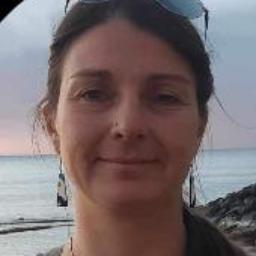
About Spela
She frames therapy around the client's own experience. She treats the person as the expert on their life and looks for strengths to build on. Sessions focus on practical steps and clearer thinking rather than labels or lectures.
Spela draws on a few main approaches to guide work in sessions. Client-Centered Therapy shapes how she listens and reflects. Cognitive Behavioral Therapy helps identify unhelpful thinking and behavior patterns. Dialectical Behavior Therapy contributes skills for emotion regulation and distress tolerance.
In a typical meeting she helps people notice patterns that keep old feelings running, then tries out small changes. She may introduce exercises for managing anxiety, practice new ways to communicate, or map reactions that link to past attachment wounds. The work is collaborative and paced to what each person can handle.
Her Montana LCSW credential is used in practice and sessions are conducted in English. For people concerned about guilt and shame, she offers direct, practical conversations about those feelings and how they affect daily life.
Areas of expertise
Primary focus
Additional focus areas
Therapeutic approaches
Experience
4+ years
Credentials
Montana
Languages
English
How her approaches translate to online sessions
Client-Centered Therapy emphasizes listening, reflection, and working from the client's priorities. In online meetings this looks like focused listening and checking in about what matters most that week. Cognitive Behavioral Therapy is about spotting patterns in thoughts and behaviors and testing small changes. Online work can include reviewing thought records, setting short experiments, and practicing new responses between sessions.Choosing the right approach is part of the work together. She will help figure out which methods fit a person's goals and preferences, and adjust methods as needs change. That collaborative stance means sessions can shift between skills practice, problem-solving, and deeper reflection depending on what helps most.
The biography does not list specific session formats, so confirm current options before booking. Online sessions can make it easier to fit therapy into a busy week, shorten commute time, and allow for quicker check-ins when schedules are tight. Phone or low-bandwidth options can work when video is difficult, while video lets people use body language and teach certain emotion-regulation skills more easily. These practical choices aim to fit the work into everyday life rather than add burden.
Frequently asked questions
What concerns does she help with related to guilt or shame?
She works with people facing guilt and shame alongside stress, trauma, self-esteem problems, relationship separation, and related issues.
How does she approach feelings like guilt and shame in sessions?
She uses Client-Centered listening and practical CBT and DBT strategies to identify unhelpful thoughts and try small behavioral changes.
How much clinical experience does she have?
She holds four years of professional experience working with anxiety, trauma, anger, and motivation among other concerns.
What are her credentials and where is she based?
She is an LCSW licensed in Montana and provides services from that state.
Can I work with her if I live outside the United States?
She accepts international clients and conducts sessions in English.
What session formats are offered?
The original biography does not list specific session formats; please confirm current session options before booking.
How are costs handled for sessions?
Cost varies with location and sessions use a subscription that can be canceled at any time.
How do I begin working with her?
Start by selecting the See online therapy options button, completing a short matching questionnaire, and scheduling a first session.
Before you get in touch
The therapists listed here offer talking therapy online. A profile shows how someone describes their work; it cannot tell you how therapy will go, and nobody can promise that guilt or shame will ease by a certain time.
If you are thinking about harming yourself, or you feel unsafe, please contact a crisis line now. The numbers are at the foot of this page.