- Guilt and shame
- Trauma and abuse
- Communication skills
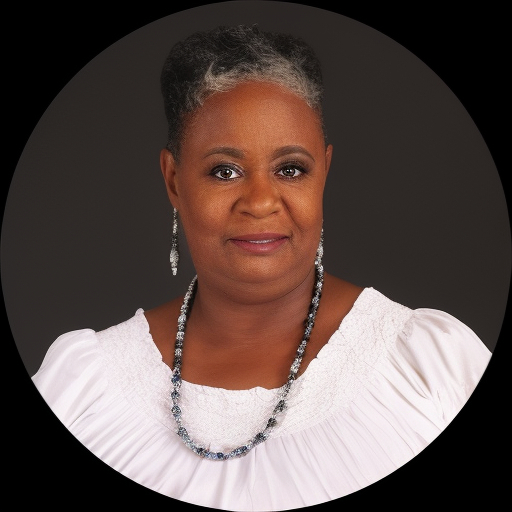
About Shirley
Her sessions focus on practical skills and clear conversation. She helps people notice unhelpful patterns and try different ways of responding. When appropriate she uses light humor to ease tension and make difficult topics easier to talk about.
Shirley draws on evidence-based therapeutic techniques to build resilience and self-esteem. She guides clients in developing coping strategies for everyday challenges. Work often includes practicing communication skills and small behavioral experiments that can change how people relate to others and to themselves.
She pays attention to a person's cultural and spiritual background while working on goals they bring into session. That can mean exploring values, repairing strained relationships with others or with oneself, and working through shame that keeps someone stuck. The focus is on steps people can try between appointments.
Shirley asks new clients to complete a short matching questionnaire and then schedule a first session. Costs vary with location and sessions use a subscription that can be canceled at any time. Sessions are offered in English and international clients are not currently accepted.
Areas of expertise
Additional focus areas
Experience
8+ years
Credentials
Florida
Languages
English
How Shirley uses evidence-based techniques online
Shirley works from evidence-based therapeutic techniques that focus on observable change. One common approach she uses involves teaching practical coping skills and behavioral experiments to reduce anxiety and improve mood; this helps when people want small, doable changes in daily life. Another approach focuses on processing difficult experiences and trauma in a paced way so memories and reactions feel less controlling; this can help with intrusive thoughts, avoidance, and intense emotional responses.Finding the right method is part of the work together. Shirley will collaborate with clients to choose which techniques fit their needs, goals, and comfort level. That means trying methods, checking what helps, and adjusting the plan based on what the client notices and prefers.
The therapist's biography does not list specific online formats, so confirm current session options before booking. In general, online sessions can make it easier to fit therapy into a busy week, allow shorter check-ins when time is tight, and reduce travel time. They can also let someone attend from a place with fewer distractions or choose a phone check-in if bandwidth is limited.
Frequently asked questions
What kinds of problems does she help with?
She works with stress, anxiety, depression, trauma and life changes, plus related concerns such as guilt and shame and communication problems.
How does she approach shame or guilt in sessions?
She uses evidence-based techniques and practical conversation to notice patterns and try new responses. Sessions may include small exercises to change how someone reacts to shame or guilt.
How much experience does she have?
She has eight years of clinical experience working with adults on emotional concerns and life transitions.
What are her credentials and where is she based?
She is a Florida LMHC and practices in Florida.
Are sessions available in other languages or countries?
Sessions are offered in English. International clients are not currently accepted.
Which session formats does she offer?
The original biography does not specify session formats, so confirm current session options before booking.
How does payment work and what does it cost?
Cost varies with location and sessions use a subscription that can be canceled at any time.
What should I do to start working with her?
Select the "See online therapy options" button, complete a short matching questionnaire, and schedule a first session.
Before you get in touch
The therapists listed here offer talking therapy online. A profile shows how someone describes their work; it cannot tell you how therapy will go, and nobody can promise that guilt or shame will ease by a certain time.
If you are thinking about harming yourself, or you feel unsafe, please contact a crisis line now. The numbers are at the foot of this page.