- Client-Centered Therapy
- Cognitive Behavioral Therapy
- Motivational Interviewing
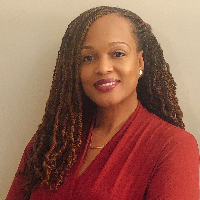
About Shenelle
Shenelle’s work centers on person-centered principles. She helps people notice what matters to them now and encourages honest reflection about feelings and behavior. Sessions focus on practical ways to use personal strengths and to make choices that feel more authentic to each client.
She combines that client-centered stance with evidence-based techniques like Cognitive Behavioral Therapy, Solution-Focused Therapy, and Motivational Interviewing. That mix is used to look at patterns of thought and behavior and to try small changes that can reduce symptoms and improve daily functioning.
Her history includes outpatient and inpatient settings, independent practice, and roles with state and local agencies. That range informs a flexible approach to common problems such as substance use, anxiety, mood difficulties, and trauma-related reactions.
Shenelle describes her role as collaborative. She aims to build a strong working connection with each person so they can talk through difficult feelings, recognize unhelpful patterns, and practice different ways of coping and deciding. The focus is on clear, practical steps rather than labels or judgments.
Areas of expertise
Primary focus
Also works with
Additional focus areas
Therapeutic approaches
Experience
18+ years
Credentials
South Carolina
Languages
English
How Shenelle adapts therapeutic approaches for online work
Shenelle draws from Client-Centered Therapy, which focuses on listening closely to what matters to the client and helping them make decisions that reflect their true self. This approach helps when someone needs acceptance while they sort through painful feelings like shame or grief.She also uses Cognitive Behavioral Therapy to identify patterns of thought and behavior that keep problems going. CBT looks at specific thoughts and actions and tries small experiments to test new ways of thinking and doing, which can be useful for anxiety, mood problems, and coping with guilt.
Choosing the right approach is part of the work. She treats it as a collaborative process - discussing goals, trying methods, and adjusting based on what helps. The client’s preferences and day-to-day needs guide which techniques are emphasized.
Session formats are not listed in the biography, so please confirm current options before booking. Many people find remote sessions easier to fit around work, school, or caregiving by reducing travel time, allowing shorter check-ins, or avoiding the need to be on camera for every meeting. Licensed professionals can use these practical benefits to make therapy a more manageable part of ordinary life.
Frequently asked questions
What kinds of concerns does she work with?
She works with stress, anxiety, addictions, trauma, depression, relationship issues, grief, anger, self-esteem concerns, bipolar disorder, ADHD, and related areas like codependency and guilt and shame.
How does she approach guilt and shame?
She uses a client-centered stance alongside Cognitive Behavioral techniques to help people notice thoughts and behaviors tied to guilt and shame and to try practical ways of responding differently.
What is her experience in the field?
She has 18 years of experience working in outpatient and inpatient settings, independent practice, and with state and local agencies.
What credentials and location are listed for her?
She is an LPC - Licensed Professional Counselor - practicing in South Carolina.
Does she offer sessions in other languages or to international clients?
Sessions are offered in English and she is not accepting international clients.
What session formats are offered?
Please confirm current session options before booking, as formats are not specified in the biography.
How does pricing work for sessions?
Cost varies with location; sessions use a subscription that can be canceled at any time.
How do I begin working with her?
Select the See online therapy options button, complete a short matching questionnaire, and schedule a first session.
Before you get in touch
The therapists listed here offer talking therapy online. A profile shows how someone describes their work; it cannot tell you how therapy will go, and nobody can promise that guilt or shame will ease by a certain time.
If you are thinking about harming yourself, or you feel unsafe, please contact a crisis line now. The numbers are at the foot of this page.