- Cognitive Behavioral Therapy
- Solution-Focused Therapy
- Guilt and shame work
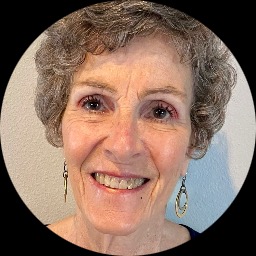
About Shelley
Shelley uses problem-solving and practical tools in sessions. She focuses on how thoughts influence behavior and mood, and on small steps people can try between meetings. Conversations are direct and respectful while remaining caring and steady.
Her work often looks at patterns such as codependency or communication problems. She helps people sort priorities and set manageable goals to reduce overwhelm. Sessions can include reviewing thinking patterns and testing new ways of responding to stressful situations.
Shelley has worked in clinical roles with adults and geriatrics for decades, so she draws on long experience with aging and caregiver issues. People facing serious illness, hospice decisions, or the effects of major life transitions can expect a practical, problem-focused approach.
She uses Cognitive Behavioral Therapy and Solution-Focused Therapy techniques to guide talks and exercises. Those approaches aim to clarify what is getting in the way now, then identify specific, achievable changes. Shelley asks about daily routines and relationships to shape concrete next steps.
Areas of expertise
Additional focus areas
Therapeutic approaches
Experience
35+ years
Credentials
Florida
Languages
English
How cognitive and solution-focused work translates online
CBT, or Cognitive Behavioral Therapy, helps people notice and test the thoughts that feed anxiety, depression, guilt, or shame. It uses short exercises and behavior experiments to change unhelpful thinking and daily routines. Solution-Focused Therapy concentrates on small, practical steps and on what a person wants to see different. Sessions emphasize strengths and immediate actions that can be tried between meetings.Finding the best approach is collaborative. The therapist will talk with the person about goals, try methods that fit those goals, and adjust based on what helps. This means setting clear, realistic priorities together and checking progress as therapy continues.
Session formats are not listed in the biography, so confirm current session options before booking. Online sessions can make it easier to fit therapy into a busy week, allow shorter check-ins when needed, and reduce travel time. They can also support steady work on thinking patterns through homework and brief exercises between meetings, using the CBT and solution-focused tools Shelley employs.
Frequently asked questions
What kinds of issues does she address?
Shelley works with stress, anxiety, grief, low self-esteem, depression, and life changes such as divorce and aging. She also focuses on caregiver stress, codependency, communication problems, and guilt and shame.
How would she approach feelings of guilt or shame?
She uses a problem-solving frame that looks at how thoughts shape behavior and feelings. Conversations include identifying unhelpful thinking patterns and trying practical changes to lessen the daily burden.
What is her clinical background and experience?
She is a Licensed Clinical Social Worker with 35 years of experience working with adults and geriatrics in Florida. Her background includes long-term practice with aging, grief, and life transitions.
Where is she based and licensed?
She practices in Florida and holds the FL LCSW credential.
Which languages are supported in sessions?
Sessions are offered in English.
Does she work with clients outside the United States?
International clients are not currently accepted.
How are sessions scheduled and what does it cost?
Cost varies with location and sessions use a subscription that can be canceled at any time.
How do I begin if I want to work together?
Start by selecting the See online therapy options button, completing a short matching questionnaire, and scheduling a first session.
Before you get in touch
The therapists listed here offer talking therapy online. A profile shows how someone describes their work; it cannot tell you how therapy will go, and nobody can promise that guilt or shame will ease by a certain time.
If you are thinking about harming yourself, or you feel unsafe, please contact a crisis line now. The numbers are at the foot of this page.