- ACT methods
- CBT techniques
- DBT skills
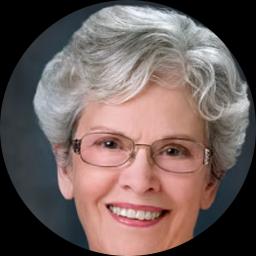
About Sharon
Sharon uses practical, evidence-informed methods to help clients sort through overwhelming feelings. Sessions tend to focus on clear skills and small experiments people can try between meetings. She emphasizes improving communication, managing strong emotions, and finding ways to act in line with personal values.
Her work often involves helping people handle caregiver stress, control issues, and isolation. She also supports those coping with panic, mood disorders, post-traumatic stress, and questions about life purpose. Conversations can include how past events shape current guilt and shame and what shifts might ease daily functioning.
Sharon draws on Acceptance and Commitment Therapy, Cognitive Behavioral Therapy, and Dialectical Behavior Therapy in straightforward ways. That can mean identifying unhelpful thoughts, practicing mindful acceptance, or building behavior patterns that reduce reactivity. The focus is on tools that fit into a busy life.
She describes therapy as a collaborative process where goals are set together. People who come to her usually work on clearer boundaries, better communication, and small, achievable changes that reduce emotional overload. Sessions aim to be practical and relevant to day-to-day demands.
Areas of expertise
Primary focus
Additional focus areas
Therapeutic approaches
Experience
20+ years
Credentials
Arizona
Languages
English
How Sharon uses ACT, CBT and DBT in online work
Sharon uses Acceptance and Commitment Therapy to help people notice painful thoughts without being driven by them and to choose actions that reflect their values. That approach can be helpful for shame that makes someone withdraw or avoid meaningful activities.She applies Cognitive Behavioral Therapy to spot thinking patterns that fuel guilt and anxiety, and to practice alternative ways of thinking and behaving. Dialectical Behavior Therapy appears in her work as concrete skills for managing intense emotions and improving day-to-day coping.
Finding the right mix of approaches is part of the process. Sharon treats the choice of method as collaborative, working with each person to match techniques to their goals, needs, and preferences rather than using a single fixed plan.
The profile does not specify which session formats are offered, so confirm current options before booking. Many people find online sessions easier to fit into work and family routines, allow shorter check-ins when needed, and make it possible to practice techniques between meetings. Sharon aims to make sessions practical so they can be used in everyday life.
Frequently asked questions
What kinds of problems does she help with?
She works with stress, anxiety, depression, parenting concerns, self-esteem, and life changes. Guilt and shame are listed among her focus areas.
How does she approach guilt and shame in sessions?
She uses practical techniques from ACT, CBT, and DBT to identify unhelpful thoughts and try small behavior changes. Sessions often combine acceptance strategies with skills practice.
How much clinical experience does she have?
She has 20 years of experience as a clinician working with mood, anxiety, and stress-related concerns.
What are her credentials and where is she based?
She is an LCSW - Licensed Clinical Social Worker in Arizona and practices there.
Does she work in languages other than English?
Sessions are offered in English.
Can international clients book with her?
International clients are not currently accepted.
What session formats are available?
The original profile does not list specific session formats. Please confirm current session options before booking.
How do fees and getting started work?
Cost varies with location and sessions use a subscription that can be canceled at any time. To begin, select the See online therapy options button, complete a short matching questionnaire, and schedule a first session.
Before you get in touch
The therapists listed here offer talking therapy online. A profile shows how someone describes their work; it cannot tell you how therapy will go, and nobody can promise that guilt or shame will ease by a certain time.
If you are thinking about harming yourself, or you feel unsafe, please contact a crisis line now. The numbers are at the foot of this page.