- Guilt and shame
- Trauma and abuse
- Client-centered methods
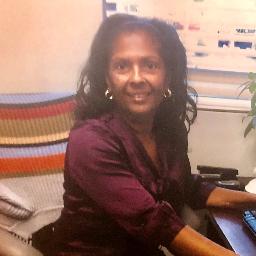
About Sharon
She takes an eclectic approach and adapts how she works to each person's situation. That means she uses different methods when needed rather than following a single script. Sessions focus on listening, clear communication, and practical steps the person can use between meetings.
Sharon describes strong experience with the impact of all forms of abuse and with changing destructive generational patterns. She often helps people reflect on how past hurts affect current relationships and daily choices. Conversations can cover forgiveness, communication problems, isolation, life purpose, and midlife transitions.
Her practice brings together client-centered work with cognitive-behavioral techniques, elements of dialectical behavior therapy, emotionally-focused methods, and mindfulness practices. Sharon emphasizes collaboration and steady pacing rather than quick fixes. She aims to help people notice patterns, learn coping skills, and try different ways of responding.
For someone carrying guilt or shame, Sharon offers a clear listening style and an adaptable plan that addresses both feelings and behavior. People who want to begin are guided through a short matching questionnaire and scheduling for a first session.
Areas of expertise
Primary focus
Also works with
Additional focus areas
Therapeutic approaches
Experience
43+ years
Credentials
Florida
Languages
English
How her approaches translate to online work
Sharon blends client-centered therapy with cognitive behavioral techniques and elements of dialectical behavior therapy. Client-centered work focuses on listening and building understanding so people can speak through what matters most. Cognitive behavioral strategies look at thoughts and behaviors and teach practical skills to change unhelpful patterns. Dialectical behavior ideas add attention to managing emotions and improving distress tolerance, which can help with intense guilt or shame.Finding the right mix of these methods is part of the process. Sharon works collaboratively to decide which approaches fit a person's goals and preferences. That means reviewing what has helped before, trying an approach for a few sessions, and adjusting the plan together based on how things go.
The original biography does not specify session formats, so confirm the available options before booking. Online sessions can make it easier to fit therapy into a busy life, reduce travel time, and allow shorter check-ins when needed. Many people find that meeting remotely helps them keep consistent appointments and practice skills between sessions without major disruption to daily routines.
Frequently asked questions
What kinds of concerns does she address?
She works with stress, anxiety, trauma and abuse, self-esteem, depression, addictions, relationship and family issues, and related areas such as guilt and shame.
How does she approach guilt or shame in sessions?
She uses an eclectic mix of client-centered listening with cognitive and emotionally focused techniques to help people talk through guilt and shame and understand how those feelings affect behavior.
How much experience does she bring to this work?
Sharon has 43 years of professional experience as a social worker practicing in a range of settings.
What are her credentials and where is she based?
She holds the credential LCSW and practices in Florida as a Licensed Clinical Social Worker.
Can I work with her if I'm outside the United States?
Sessions are offered in English and she accepts international clients.
What session formats does she offer?
The original biography does not list specific session formats; please confirm the current session options before booking.
How are fees handled?
Cost varies with location, and sessions use a subscription that can be canceled at any time.
How do I begin working with her?
Start by selecting the See online therapy options button, completing a short matching questionnaire, and scheduling a first session.
Before you get in touch
The therapists listed here offer talking therapy online. A profile shows how someone describes their work; it cannot tell you how therapy will go, and nobody can promise that guilt or shame will ease by a certain time.
If you are thinking about harming yourself, or you feel unsafe, please contact a crisis line now. The numbers are at the foot of this page.