- CBT methods
- DBT skills
- EMDR informed
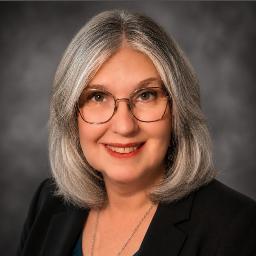
About Sharon
Her sessions are conversational and practical. She listens, offers concrete tools, and teaches skills people can try between meetings. Clients keep control of their goals while she suggests methods drawn from several psychological approaches.
Sharon draws on client-centered methods to focus on each person's priorities. She uses cognitive behavioral ideas to help people test and reframe unhelpful thoughts. Dialectical behavior therapy skills are part of her toolkit for handling intense emotion and improving coping.
For people who carry trauma she includes EMDR-informed techniques when appropriate. She has experience with addictions, including gambling problems, and with mood conditions such as bipolar disorder and depression. Sharon has worked with children and adolescents as well as adults over her career.
Her style is interactive and respectful. She emphasizes learning practical strategies while also attending to deeper patterns that contribute to guilt, shame, abandonment, or attachment wounds. Before starting, she helps people clarify what they want from therapy and which methods might fit best.
Areas of expertise
Primary focus
Also works with
Additional focus areas
Therapeutic approaches
Experience
25+ years
Credentials
Missouri, Wyoming
Languages
English
How her approaches translate to online work
Client-Centered Therapy focuses on the person's own priorities and experiences and helps the therapist follow what matters most to the client. It supports conversations about guilt, shame, relationships, and personal values in a straightforward way. Cognitive Behavioral Therapy (CBT) targets unhelpful thoughts and behaviors with practical exercises and goal-focused work, which can include thought records, behavior experiments, and skills practice between sessions. Dialectical Behavior Therapy (DBT) offers concrete skills for emotion regulation, distress tolerance, and interpersonal effectiveness; these skills are useful when shame or intense guilt causes emotional flooding or relationship conflict.Finding the right approach is part of the process. Sharon will discuss the options with the client and decide together which methods to try first based on needs, goals, and preferences. That lets people move at a pace that fits them while testing which techniques feel most useful.
The biography does not list which exact session formats are offered, so confirm the available options before booking. Online sessions can make it easier to fit meetings into a busy week, reduce travel time, or allow for shorter check-ins when needed. Licensed professionals often adapt homework, skills practice, and trauma-focused work to work well in remote appointments so therapeutic work can fit into everyday life.
Frequently asked questions
What concerns does she address?
She works with depression, bipolar disorder, anxiety, addictions, trauma, relationship and family problems, grief, and issues such as guilt and shame.
What is her general therapeutic style?
Her style is conversational and interactive. She offers tools and teaches skills while the client sets treatment goals.
How much clinical experience does she have?
She has 25 years of experience as a clinician working with a wide range of concerns across age groups.
What credentials and location are listed?
She is an LCSW licensed in Missouri and Wyoming and is based in Missouri.
Which languages and international work are possible?
Sessions are offered in English and she accepts international clients.
What formats are offered for sessions?
The original biography does not list specific session formats; please confirm current session options before booking.
How is cost handled?
Cost varies with location and sessions use a subscription that can be canceled at any time.
What are the first steps to begin?
Select the See online therapy options button, complete a short matching questionnaire, and schedule a first session.
Before you get in touch
The therapists listed here offer talking therapy online. A profile shows how someone describes their work; it cannot tell you how therapy will go, and nobody can promise that guilt or shame will ease by a certain time.
If you are thinking about harming yourself, or you feel unsafe, please contact a crisis line now. The numbers are at the foot of this page.