- Guilt and shame
- Attachment issues
- Depression and anxiety
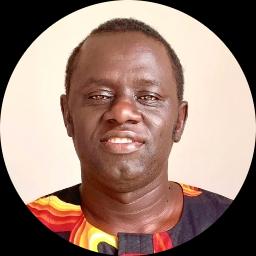
About Sarr
He keeps conversations direct and practical. Sessions focus on what is causing distress now and on developing clearer ways to cope. He adjusts the pace based on how someone is tracking, so sessions can be more problem‑solving or more reflective as needed.
Sarr draws on evidence‑based therapeutic techniques to help people understand patterns that keep them stuck. He works with issues such as panic attacks, post‑traumatic stress, attachment difficulties and problems with communication that feed into ongoing guilt or shame. He explains options plainly and helps people choose methods that suit their situation.
He has experience supporting men through midlife changes, people facing caregiver stress, and those navigating divorce or separation. He also works with body image concerns, isolation, and questions about life purpose. His approach aims to break down big problems into manageable steps.
Practical matters such as session routines, goals and how progress is tracked are discussed early on. People are invited to set short‑term aims and review them regularly. This keeps work focused and makes it easier to see what is changing over time.
Areas of expertise
Primary focus
Additional focus areas
Experience
7+ years
Credentials
Australia
Languages
English
Practical therapeutic approaches and how they work online
Two common evidence‑based techniques Sarr uses are cognitive approaches and trauma‑informed work. Cognitive approaches look at unhelpful thinking and offer concrete skills to change those thought patterns, which can reduce recurring guilt and anxious thinking. Trauma‑informed work focuses on understanding how past harm affects current reactions and teaches pacing and stabilising strategies for people who feel overwhelmed.Finding the right approach is part of the work. He will discuss different methods with the client and decide together which fits their goals and preferences. That collaborative process includes setting short‑term aims and checking progress to adjust methods as needed.
The original biography does not specify which online session formats are offered, so confirm the exact options before booking. Online sessions can make it easier to fit appointments into a working day and to keep momentum between meetings. They can also allow shorter check‑ins when time is limited, or sessions without being on camera when that suits someone better.
Frequently asked questions
What kinds of concerns does he help with?
He works with stress, anxiety, trauma and abuse, self‑esteem and depression, plus issues like guilt and shame and relationship breakdowns.
How does he approach guilt and shame?
He uses evidence‑based techniques to identify the thoughts and patterns that keep guilt or shame alive, then works on practical steps to shift those patterns.
How much experience does he have?
He has seven years of professional experience working in Australia with a range of mood and trauma‑related concerns.
What are his credentials and where is he based?
He is credentialed with the Australian Association of Social Workers (AASW) and practices in Australia.
Which languages are supported?
Sessions are offered in English.
Can people from other countries work with him?
He is not accepting international clients at this time.
What session formats are available?
The original biography does not list specific session formats; please confirm current session options before booking.
How does the subscription and first session work?
Cost varies with location and sessions use a subscription that can be cancelled at any time. To begin, select the See online therapy options button, complete a short matching questionnaire, and schedule a first session.
Before you get in touch
The therapists listed here offer talking therapy online. A profile shows how someone describes their work; it cannot tell you how therapy will go, and nobody can promise that guilt or shame will ease by a certain time.
If you are thinking about harming yourself, or you feel unsafe, please contact a crisis line now. The numbers are at the foot of this page.