- CBT techniques
- DBT skills
- Motivational interviewing
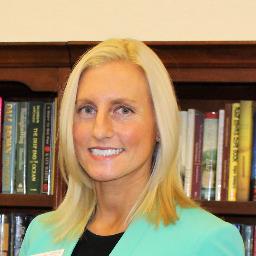
About Sarah
She uses straightforward, person-centered care that adapts to what each person brings. Sessions often draw on Cognitive Behavioral Therapy and Dialectical Behavior Therapy skills to help people identify patterns of thought and practice different ways of responding. Motivational Interviewing and Solution-Focused Therapy shape short-term planning and goal-setting.
Sarah can include conversations about faith and spirituality when that is helpful to a client. She has worked with people experiencing bipolar disorder, depression, obsessive-compulsive tendencies, personality disorders, and post-traumatic stress. She also supports clients dealing with fertility struggles, first responder stress, compassion fatigue, and difficulties with eating or sleeping.
In practical terms she aims to combine skills training, clear goals, and trauma-informed care. That might look like learning distress-tolerance tools, testing different behavioral experiments, or breaking a larger goal into small steps. The focus is on what people can do differently between sessions to feel less stuck.
People considering therapy are invited to review the session options and complete a short matching questionnaire before scheduling a first appointment.
Areas of expertise
Primary focus
Also works with
Additional focus areas
Therapeutic approaches
Experience
3+ years
Credentials
Florida
Languages
English
How ACT, CBT and DBT inform online sessions
Acceptance and Commitment Therapy (ACT) helps people clarify what matters to them and practice small actions that align with those values despite difficult thoughts or feelings. It is useful for people coping with guilt, shame, or stuckness who want clearer direction for day-to-day choices.Cognitive Behavioral Therapy (CBT) focuses on identifying unhelpful thought patterns and testing different behaviors to change how someone feels. It is commonly used for anxiety, depression, obsessive thoughts, and problems with sleep or eating.
Dialectical Behavior Therapy (DBT) skills teach concrete tools for emotion regulation, distress tolerance, and improving interpersonal effectiveness. These skills can be helpful when intense emotions, relationship conflict, or self-directed anger get in the way of functioning.
Finding the right approach is part of the work and will be collaborative. The therapist will talk with the client about goals, try methods that fit those goals, and adjust the plan as needed to match preferences and needs.
The biography does not specify session formats, so confirm current options before booking. Online sessions can make it easier to fit therapy into a busy life, allow shorter check-ins when needed, and reduce travel time. They also let people use audio-only or lower-bandwidth options when that is more practical. Therapists and licensed professionals will help arrange sessions in a way that fits everyday schedules and responsibilities.
Frequently asked questions
What kinds of concerns does she work with?
She works with stress, anxiety, trauma and abuse, bipolar disorder, depression, addictions, relationship and intimacy issues, and related concerns such as eating, sleeping, anger, and grief.
How would she approach feelings of guilt or shame?
She uses person-centered care alongside CBT and DBT skills to help people name guilt or shame, notice associated thoughts and behaviors, and try small changes to reduce their impact.
What is her background and clinical experience?
Sarah is an LCSW with three years of clinical practice. Her work has included trauma-informed care and supporting people with mood and substance-use concerns.
Where is she licensed to practice?
She is a Licensed Clinical Social Worker (LCSW) in Florida and practices under that credential.
Does she offer sessions in other languages or to international clients?
Sessions are offered in English and she accepts international clients.
What session formats are available?
The original biography does not list specific session formats; please confirm current session options before booking.
How does payment work and what does it cost?
Cost varies with location and sessions use a subscription model that can be canceled at any time.
How do I begin if I want to work with her?
Select the See online therapy options button, complete a short matching questionnaire, and schedule a first session.
Before you get in touch
The therapists listed here offer talking therapy online. A profile shows how someone describes their work; it cannot tell you how therapy will go, and nobody can promise that guilt or shame will ease by a certain time.
If you are thinking about harming yourself, or you feel unsafe, please contact a crisis line now. The numbers are at the foot of this page.