- Client-centered approach
- Cognitive behavioral tools
- Mindfulness practices
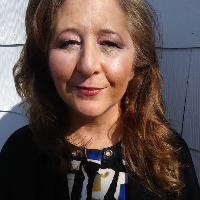
About Sara
Sara uses a direct, client-centered style. She listens to what is most pressing, then helps people identify root causes and practical coping steps. Sessions focus on clear goals and on building habits that can be used after meetings end.
Her work draws from cognitive behavioral ideas and mindfulness-based methods. She also uses solution-focused techniques and motivational interviewing to help people clarify next steps and stay motivated. These approaches are used to address feelings tied to relationships, family patterns, and personal choices.
Sara has worked in many settings over three decades, including individual and relationship-focused work. She became comfortable with teletherapy after trying it during the national shutdown and found it can still feel genuine and effective for many people.
People who come for help often want to talk through difficult feelings like guilt, shame, abandonment, or attachment wounds. Sara aims to make sessions straightforward and practical, helping people find clearer ways to cope and communicate as they move forward.
Areas of expertise
Primary focus
Also works with
Additional focus areas
Therapeutic approaches
Experience
30+ years
Credentials
South Carolina
Languages
English
How therapeutic approaches translate to online sessions
Client-centered therapy focuses on listening and responding to what matters most to the person. In practice this means the therapist follows your lead, reflects what you say, and helps you clarify goals and values. Cognitive Behavioral Therapy (CBT) breaks down thoughts, feelings, and behaviors into manageable parts and teaches practical skills to change unhelpful patterns. It can be useful for anxiety, depression, and persistent guilt or shame. Mindfulness therapy teaches simple attention and breathing practices to reduce reactivity and increase present-moment noticing, which can help with stress and intrusive self-criticism.Choosing the best fit is part of the work. The therapist will discuss options and try approaches that match your goals, preferences, and what feels useful in early sessions. That collaboration helps decide whether to emphasize CBT skills, mindfulness practice, or a client-centered way of talking things through.
The biography does not list specific session formats, so confirm the available options before booking. Many people find online sessions help fit counseling into a busy week, reduce travel time, and allow for shorter check-ins when needed. Others appreciate being able to meet without rearranging a day; discuss practical scheduling preferences when you set up the first appointment.
Frequently asked questions
What kinds of concerns does she address?
Sara works with stress, anxiety, relationship issues, grief, depression, trauma, parenting concerns, anger, self-esteem, career matters, bipolar concerns, and related topics such as abandonment, attachment issues, codependency, communication problems, forgiveness, guilt and shame, life purpose, self-harm, and women's issues.
How would she describe her therapeutic style?
Her style is client-centered, direct, and non-judgmental. She focuses on identifying root causes and building practical coping techniques.
How much experience does she have?
She has 30 years of counseling experience working in a range of settings with individuals, couples, and families.
What are her credentials and where is she based?
She is a Licensed Professional Counselor (LPC) holding SC LPC credentialing and practices out of South Carolina.
Which languages are sessions offered in?
Sessions are offered in English.
Does she work with people outside the U.S.?
International clients are accepted; confirm any time zone or scheduling details when you arrange sessions.
What session formats are available?
The original biography does not list specific session formats; please confirm current session options before booking.
How do fees and scheduling work?
Cost varies by location and sessions use a subscription that can be canceled at any time. To begin, use the See online therapy options button, complete the short matching questionnaire, and schedule a first session.
Before you get in touch
The therapists listed here offer talking therapy online. A profile shows how someone describes their work; it cannot tell you how therapy will go, and nobody can promise that guilt or shame will ease by a certain time.
If you are thinking about harming yourself, or you feel unsafe, please contact a crisis line now. The numbers are at the foot of this page.