- CBT techniques
- DBT skills
- Mindfulness work
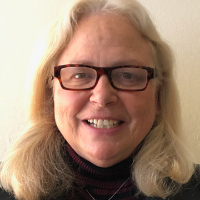
About Robin
She describes her style as direct and transparent. She follows the client's lead while offering guidance and feedback. Sessions often include skills training for emotion regulation, grounding exercises, relaxation techniques, and talk therapy to help people notice patterns and try different responses.
Robin draws on Client-Centered approaches alongside Cognitive Behavioral Therapy and Dialectical Behavior Therapy skills. She also uses mindfulness, motivational interviewing, and solution-focused elements when they fit the work. Those methods are used to build coping skills, manage intense feelings, and work through thoughts that fuel shame or guilt.
In practice she helps people set boundaries, manage anger, cope with loss, and address problematic substance use or compulsive behaviors. She also supports exploration of identity and sexuality as part of broader therapy goals. Sessions mix skill teaching with reflective conversation so people can practice new ways of responding.
Her approach balances challenge with practical support. People who want clear feedback and specific strategies tend to find this helpful. To begin, clients complete a brief matching questionnaire and schedule a first session to outline goals and next steps.
Areas of expertise
Also works with
Additional focus areas
Therapeutic approaches
Experience
8+ years
Credentials
Michigan, Massachusetts
Languages
English
How her approaches translate to online work
Robin uses Client-Centered Therapy to keep the conversation focused on the client's priorities, offering responsive listening and guidance. That approach helps when people need to talk through guilt, shame, or life changes and decide what to try next.She also uses Cognitive Behavioral Therapy, which involves identifying unhelpful thought patterns and testing small behavior changes. CBT is often used for anxiety, depression, OCD, and for shifting the thinking that fuels shame. Dialectical Behavior Therapy skills are used to build emotion regulation, distress tolerance, and interpersonal effectiveness so intense moments feel more manageable.
Choosing the most helpful approach is collaborative. The therapist will work with the client to match methods to goals and preferences, adjusting techniques as progress or needs change. The early sessions focus on practical goals and what skills to try first.
The original biography did not list specific online session formats, so confirm current options before booking. Online work can make it easier to fit sessions into a week, allow shorter check-ins when time is limited, and reduce travel time. Many clients find this flexibility helpful when they balance work, parenting, or caregiving responsibilities.
Frequently asked questions
What concerns does she address?
She works with stress, anxiety, trauma and abuse, grief, self-esteem, depression, addictions, relationship and parenting concerns, and guilt and shame among other issues.
How would she approach feelings of shame or guilt?
She uses a mix of talk therapy, cognitive behavioral techniques, and DBT-based skills to help people notice thoughts and practice different responses to shame or guilt.
What is her background and experience?
She has eight years of clinical experience as an LMSW and LICSW practicing in Michigan and applies both skills training and reflective work in sessions.
Which credentials and location are listed?
Credentials shown are LMSW and LICSW with practice in Michigan.
What languages are supported and are international clients accepted?
Sessions are offered in English and international clients are not currently accepted.
What session formats are offered?
The original biography did not specify exact session formats here; please confirm current session options before booking.
How does payment and cost work?
Cost varies with location and sessions use a subscription model that can be canceled at any time.
How do I get started with her?
Select the See online therapy options button, complete a short matching questionnaire, then schedule a first session to set goals and plan next steps.
Before you get in touch
The therapists listed here offer talking therapy online. A profile shows how someone describes their work; it cannot tell you how therapy will go, and nobody can promise that guilt or shame will ease by a certain time.
If you are thinking about harming yourself, or you feel unsafe, please contact a crisis line now. The numbers are at the foot of this page.