- Guilt and shame
- CBT and ACT
- Mindfulness skills
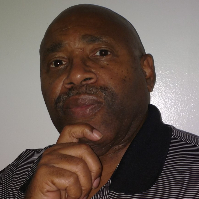
About Richard
He has a background that began with a bachelor's degree in economics and a master's degree in mental health counseling. His profile notes longer experience in human services, followed by several years practicing as a counselor in different settings. Richard lists several approaches he uses in sessions including Acceptance and Commitment Therapy, Client-Centered Therapy, Cognitive Behavioral Therapy, Dialectical Behavior Therapy, Mindfulness Therapy, and Motivational Interviewing.
In a session he focuses on clear, practical conversation about what is causing distress. He helps people notice unhelpful thinking patterns and try small changes. He uses exercises and skills from cognitive and mindfulness-based approaches when those fit the person’s goals.
When guilt or shame are present the work often begins by naming specific feelings and the situations that trigger them. He then helps people pick steps they are willing to try that may reduce the intensity of those feelings, or change how they respond to them over time.
Richard adapts the pace and tools to the person in front of him. He emphasizes collaborative planning so clients can see what each session will target next. The overall focus is practical skill-building and clearer decision making around relationships, substance-related problems, mood, and coping with stressful life events.
Areas of expertise
Primary focus
Also works with
Additional focus areas
Therapeutic approaches
Experience
5+ years
Credentials
North Carolina
Languages
English
How his approaches translate to online sessions
Acceptance and Commitment Therapy (ACT) focuses on identifying values and taking small committed actions even when uncomfortable feelings are present; it is useful for people struggling with persistent guilt, shame, or avoidance. Cognitive Behavioral Therapy (CBT) looks at the links between thoughts, feelings, and behavior and uses practical experiments to test and change unhelpful thinking; it often helps with anxiety, depression, and problems with mood. Mindfulness Therapy teaches simple attention and breathing practices to reduce reactivity and increase moment-to-moment awareness, which can make guilt and shame easier to notice without being overwhelmed.Finding the right approach is part of the work. He will discuss options with the client and decide together which methods to try based on the person’s goals and preferences. That collaborative planning happens early and can change as needs evolve.
The practical benefits of online sessions include easier fitting of appointments into a busy week and fewer steps to get into a session. If you are considering working remotely, confirm the exact session formats he currently offers before booking so you know how appointments will be conducted. Many people find that brief skill practice, check-ins, and guided exercises translate well to remote sessions and can be scheduled around daily responsibilities.
Frequently asked questions
What kinds of issues does he work with?
He works with stress, anxiety, depression, addictions, relationship strain, grief, parenting concerns, and related problems including guilt and shame.
How does he approach feelings of guilt or shame?
He begins by identifying specific triggers and moments when those feelings arise, then uses cognitive and mindfulness exercises to change responses and test small behavioral steps.
What is his clinical background and experience?
He has five years of counseling experience and prior work in human services. His education includes a master’s in mental health counseling following a bachelor’s in economics.
What credential does he hold and where does he practice?
He is a Licensed Clinical Mental Health Counselor (LCMHC) in North Carolina and practices there.
Does he work with non-English speakers or international clients?
Sessions are offered in English and he is not currently accepting international clients.
What session formats are offered?
Please confirm current session options before booking as formats are not specified in the profile.
How is cost handled for sessions?
Cost varies by location; sessions use a subscription that can be canceled at any time.
How do I begin if I want to work with him?
Select the See online therapy options button, complete a short matching questionnaire, and schedule a first session.
Before you get in touch
The therapists listed here offer talking therapy online. A profile shows how someone describes their work; it cannot tell you how therapy will go, and nobody can promise that guilt or shame will ease by a certain time.
If you are thinking about harming yourself, or you feel unsafe, please contact a crisis line now. The numbers are at the foot of this page.