- CBT methods
- DBT skills
- Mindfulness practice
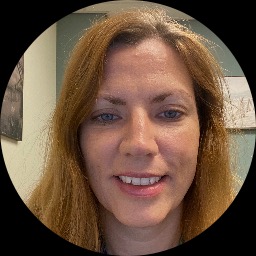
About Rebecca
She focuses on practical steps rather than abstract theory. Sessions often look at what keeps a problem going now and what small changes might reduce its hold. She uses clear skills and exercises to manage intense feelings and day-to-day functioning.
Rebecca draws on Cognitive Behavioral Therapy and Dialectical Behavior Therapy ideas to help people notice patterns of thinking and behavior. She also brings mindfulness-based practices into sessions to steady attention and reduce reactivity. These approaches are used to address mood problems, panic, trauma reactions, and relationship struggles.
People who contact her can expect straightforward conversations about what matters most to them. She helps people identify strengths from their own lives to build on when working through guilt, shame, grief, or life transitions. The work is collaborative and paced to what the person can handle.
Her background includes a decade plus of clinical work in Illinois settings. Rebecca uses that experience to guide practical goal-setting and skill practice between sessions. To begin, she asks people to complete a short matching questionnaire and then schedule an initial session.
Areas of expertise
Primary focus
Also works with
Additional focus areas
Therapeutic approaches
Experience
12+ years
Credentials
Illinois
Languages
English
How Rebecca uses evidence-based approaches online
Rebecca commonly integrates Cognitive Behavioral Therapy and Dialectical Behavior Therapy in online sessions. CBT helps people identify unhelpful thoughts and try small behavioral experiments to change how they feel. DBT emphasizes skills for managing strong emotions, reducing impulsive reactions, and improving interpersonal effectiveness.She also includes mindfulness practices to help steady attention and reduce reactivity. Choosing the right mix of approaches is a collaborative process. Rebecca will work with each person to pick methods that fit their goals, needs, and preferences and adjust as work progresses.
Confirm the specific session formats before booking since options are not listed here. Online work can make it easier to fit sessions into a busy life, allow shorter focused check-ins when needed, and avoid travel time. For some people a phone visit is simpler because it uses less bandwidth, while other people prefer a full video session for face-to-face interaction. The focus is on practical ways to make therapy fit into day-to-day life rather than on any single format.
Frequently asked questions
What kinds of concerns does she help with?
She works with stress, anxiety, anger, low self-esteem, depression, and related issues such as addiction, trauma, grief, and guilt and shame.
How does she approach guilt and shame?
She uses clear, skills-based work to identify thought patterns and behaviors that keep guilt or shame active, and practices mindfulness to reduce intense reactions.
How much clinical experience does she have?
Rebecca has 12 years of professional experience providing mental health care in Illinois.
What are her credentials and where is she licensed?
She is an LCSW, licensed in Illinois (IL LCSW).
Are sessions offered in other languages?
Sessions are offered in English.
Does she work with clients outside the United States?
International clients are not currently accepted.
How are fees handled?
Cost varies with location; sessions use a subscription that can be canceled at any time.
What are the first steps to begin working together?
Select the See online therapy options button, complete a short matching questionnaire, and schedule a first session.
Before you get in touch
The therapists listed here offer talking therapy online. A profile shows how someone describes their work; it cannot tell you how therapy will go, and nobody can promise that guilt or shame will ease by a certain time.
If you are thinking about harming yourself, or you feel unsafe, please contact a crisis line now. The numbers are at the foot of this page.