- Addiction recovery
- Trauma care
- Guilt and shame
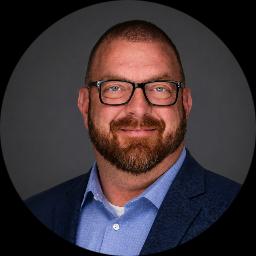
About Randall
Randall focuses on practical, evidence-based work. Sessions look at what’s happening now and what patterns keep recurring. He helps people develop clearer coping steps and rebuild a sense of direction after painful events or choices.
He often sees men and veterans among the people he helps, and he pays attention to how roles like fatherhood and military background affect emotions. He also addresses mood disorders, substance use, and eating or body-related struggles in straightforward ways.
In sessions he emphasizes skill-building over jargon. Conversations cover boundaries, managing anger, navigating forgiveness, and tackling control issues. He helps people practice new responses so daily life feels more manageable.
Randall uses approaches grounded in research rather than fads. That means methods that target thoughts, behaviors, and coping skills to reduce distress and improve functioning. He encourages steady steps toward self-acceptance and clearer relationships.
People who start with him complete a short matching questionnaire and schedule a first session. Fees vary with location and use a subscription that can be canceled at any time.
Areas of expertise
Primary focus
Additional focus areas
Experience
13+ years
Credentials
Ohio
Languages
English
How evidence-based methods guide online sessions
Many evidence-based techniques focus on changing thoughts and behaviors. One common approach teaches people to notice unhelpful thoughts, test them, and try different responses. This helps with mood disorders, social anxiety, and patterns that feed guilt or shame.Another approach emphasizes skill rehearsal and gradual exposure to difficult situations. That kind of work helps with anger management, avoidance after trauma, and building confidence in strained relationships. Both styles aim to give clear steps people can practice between sessions.
Finding the right approach is part of the work. The therapist will talk with each person about their goals and preferences, then together they decide which methods to try first. Adjustments are made as progress and needs become clearer, so the plan can change if something isn’t helping.
The original biography does not list specific session formats, so confirm current options before booking. Online sessions can make it easier to fit therapy into a busy week, reduce travel, or allow shorter check-ins when time is limited. Licensed professionals can use different formats for different needs, and the therapist will help choose what fits the client’s schedule and goals.
Frequently asked questions
What concerns does he work with?
He works with addictions, trauma and abuse, anger, bipolar symptoms, and life changes. Additional focuses include guilt and shame, body image, and communication problems.
How does he approach guilt and shame?
He uses evidence-based techniques to help people understand how guilt and shame affect behavior. The work focuses on practical skills and small behavioral changes rather than abstract talk.
How much experience does he have?
He has 13 years of professional experience as a clinician working with addiction, mood concerns, trauma, and related issues.
What are his credentials and where is he based?
He is an LISW, which stands for Licensed Independent Social Worker, licensed in Ohio. His practice is located in Ohio.
Can I work with him if I live outside the United States?
Sessions are offered in English and he is not accepting international clients at this time.
What session formats are offered?
The original profile does not specify session formats. Please confirm the current session options before booking.
How does payment work and what does it cost?
Cost varies with location and sessions are delivered through a subscription model that can be canceled at any time.
How do I begin working together?
Start by selecting the See online therapy options button, completing a short matching questionnaire, and scheduling a first session.
Before you get in touch
The therapists listed here offer talking therapy online. A profile shows how someone describes their work; it cannot tell you how therapy will go, and nobody can promise that guilt or shame will ease by a certain time.
If you are thinking about harming yourself, or you feel unsafe, please contact a crisis line now. The numbers are at the foot of this page.