- Attachment focus
- CBT and DBT skills
- Work with trauma
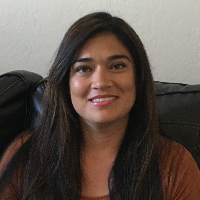
About Rachel
Rachel trained in marriage and family therapy at Pepperdine University and received independent LMFT licensure in 2010. Her background includes roles in group homes, school-based counseling, outpatient addiction programs, and adult residential services for people with serious mental illness. That variety shaped a practical, relationship-focused approach to therapy.
She frames difficulties through object relations and attachment ideas, helping people link current reactions to earlier caregiving relationships. Rachel uses Cognitive Behavioral Therapy and Dialectical Behavior Therapy strategies to address unhelpful thoughts and patterns. She also draws on emotion-focused and client-centered ideas to work on connection and feeling states.
In sessions she helps people identify coping skills that no longer serve them and learn new ways of responding. Rachel emphasizes noticing how past relationship patterns show up now and then practicing different choices in relationships and daily life. Her experience includes work with addiction services and play-based approaches from earlier roles with children.
Outside work she is an army spouse and is involved in her children’s school and sports activities. People looking for a relational, practical-minded therapist who references attachment and cognitive tools may find her style fits their needs.
Areas of expertise
Primary focus
Also works with
Additional focus areas
Therapeutic approaches
Experience
8+ years
Credentials
Arizona
Languages
English
How attachment and cognitive approaches shape online work
Rachel often uses Attachment-Based ideas to look at how early caregiving relationships shape current reactions and relationship patterns; this helps when someone wants to understand why they repeat certain habits or feel stuck in close relationships. Cognitive Behavioral Therapy (CBT) is used to notice and change unhelpful thought patterns and behaviors; it can be useful for anxiety, guilt, and low mood. Emotionally-Focused Therapy ideas help name and work with core emotions that drive conflict and distance in relationships.Picking the right approach is something the therapist and client figure out together. Rachel will discuss goals, preferences, and what feels most useful in early sessions and then adjust methods as progress and needs become clearer. That collaborative planning helps keep work practical and focused on the issues that brought someone in, such as shame, relationship patterns, or addiction-related concerns.
The biography does not specify which session formats are offered, so confirm current options before booking. Online work can make it easier to fit sessions into a busy week, allow shorter check-ins when schedules demand, or avoid travel time for appointments. Therapists who combine attachment and CBT ideas often use session time for reflection, skills practice, and planning small experiments to try between meetings.
Frequently asked questions
What kinds of concerns does she address?
She lists stress, anxiety, relationship struggles, trauma and abuse, self-esteem, addictions, grief, parenting, anger, depression, and related issues such as abandonment, attachment problems, codependency, and guilt and shame.
How would she describe her therapeutic style?
Her approach is relational, drawing on object relations and attachment ideas while using CBT and DBT techniques to change thoughts and behaviors and emotion-focused methods to work with feelings.
What is her clinical background and experience?
She has worked in group homes, schools, outpatient addiction programs, and adult residential services, and has practiced as an LMFT since 2010 with eight years of documented post-licensure practice in Arizona.
What credential does she hold and where is she based?
She is an LMFT - Licensed Marriage and Family Therapist licensed in Arizona and provides services from that state.
Are sessions available in other languages or to international clients?
Sessions are offered in English. She is not currently accepting international clients.
What session formats does she offer?
The original biography does not list session formats. Please confirm current session options before booking.
How does pricing work for sessions?
Cost varies with location and sessions are arranged through a subscription model that can be canceled at any time.
How do I begin working with her?
Begin by selecting the See online therapy options button, completing a short matching questionnaire, and scheduling a first session.
Before you get in touch
The therapists listed here offer talking therapy online. A profile shows how someone describes their work; it cannot tell you how therapy will go, and nobody can promise that guilt or shame will ease by a certain time.
If you are thinking about harming yourself, or you feel unsafe, please contact a crisis line now. The numbers are at the foot of this page.