- Guilt and shame
- Trauma-focused care
- Addiction experience
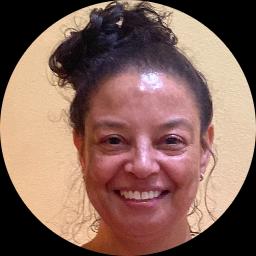
About Polly
Polly draws on approaches such as Acceptance and Commitment Therapy and Client-Centered Therapy in sessions. She also uses Emotionally-Focused and Trauma-Focused methods when they fit a concern. Her practice includes work around guilt and shame, sexuality and gender questions, and end-of-life concerns.
Polly has experience supporting people after community trauma, including work following the Saugus High School student shooting in 2019. She is a member of the National Association of Social Workers and of the World Professional Association for Transgender Health. She maintains the California telehealth training required by the Board of Behavioral Sciences.
Personal recovery from alcohol informs her approach to addiction and process behaviors. She knows mutual-support groups and recommends SMART Recovery alongside 12-step options she is familiar with. Polly acknowledges recovery as an ongoing, uncertain process and brings that perspective into sessions.
Sessions are scheduled in the afternoons, evenings, and on weekends with specific start times posted by the therapist. She will not hold sessions while a client is driving. To begin, clients complete a short matching questionnaire and choose a first appointment time.
Areas of expertise
Primary focus
Additional focus areas
Therapeutic approaches
Experience
14+ years
Credentials
California
Languages
English
How her clinical approaches work in online sessions
Acceptance and Commitment Therapy (ACT) focuses on noticing difficult thoughts and feelings while choosing action that aligns with personal values. It can help when guilt or shame is stopping someone from living in ways they care about. Client-Centered Therapy centers the person's experience and relies on open listening and reflection so people can make sense of confusing emotions and choices.Choosing an approach is a collaborative process. The therapist will work with the client to decide which methods make the most sense based on current goals and what feels workable. That conversation usually happens in early sessions and can change as needs change.
The biography confirms completion of the California telehealth training but does not list specific session formats here, so confirm the available options before booking. Online sessions can make it easier to fit therapy into afternoons, evenings, or weekend hours and can reduce travel time. Some formats are less demanding on bandwidth or camera use, which can help with shorter check-ins or scheduling around a work break. The aim is to match a practical session style to the person's life and the therapeutic approach they and the therapist choose to use.
Frequently asked questions
What kinds of concerns does she address?
She works with depression, anxiety, grief, anger, and concerns common to LGBTQ2+ people. Additional areas include addiction, process behaviors, sexuality, and end-of-life matters.
How does she approach feelings of guilt and shame?
She uses methods such as Acceptance and Commitment Therapy and Emotionally-Focused Therapy to help people name and work with guilt and shame. Sessions aim to clarify values and process painful emotions rather than promise a specific outcome.
What is her background and experience?
She has 14 years of professional therapeutic experience and has supported people after community trauma, including work following the 2019 Saugus High School shooting.
What credential does she hold and where is she located?
She is a California LCSW - Licensed Clinical Social Worker and practices in California.
Does she work in languages other than English or with international clients?
Sessions are offered in English. She is not currently accepting international clients.
What session formats does she offer?
The biography notes required telehealth training but does not list specific session formats. Confirm current session options before booking.
How are sessions priced?
Cost varies with location and sessions use a subscription that can be canceled at any time.
How do I begin a first session?
Select the See online therapy options button, complete a short matching questionnaire, and schedule a first session.
Before you get in touch
The therapists listed here offer talking therapy online. A profile shows how someone describes their work; it cannot tell you how therapy will go, and nobody can promise that guilt or shame will ease by a certain time.
If you are thinking about harming yourself, or you feel unsafe, please contact a crisis line now. The numbers are at the foot of this page.