- Client-centered approach
- Motivational interviewing
- CBT methods
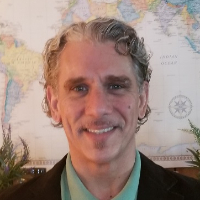
About Paul
He uses a client-centered, strength-based way of working. That means the person sets the goals and Paul helps them move toward those goals. He often uses Motivational Interviewing to clarify motivation and Cognitive Behavioral Therapy to change unhelpful thoughts and behaviors.
In sessions Paul and a client create a specific care plan. The plan targets the areas the client wants to change and is adjusted as progress is made. Sessions focus on practical steps, clearer thinking, and measurable progress rather than abstract talk.
Paul has worked in many settings across his career, giving him experience with both younger and older adults facing life transitions. He notes issues such as fatherhood, caregiver stress, aging concerns, and problems that come from divorce, infidelity, or addiction among his areas of focus.
People can expect straightforward conversation and tools they can practice outside sessions. Paul describes the work as intentional and goal-oriented, guided by what the client wants to change. He helps people address feelings like guilt and shame while also building coping skills for everyday life.
Areas of expertise
Primary focus
Also works with
Additional focus areas
Therapeutic approaches
Experience
25+ years
Credentials
New York
Languages
English
How his approaches translate to online sessions
Paul often draws on Client-Centered Therapy to listen and follow what a person wants to change. That approach emphasizes starting from the person’s own goals and concerns and shaping the work around them.He also uses Cognitive Behavioral Therapy, which looks at the links between thoughts, feelings, and actions and offers practical exercises to try between sessions. Motivational Interviewing is used to clarify a person’s readiness and build motivation for specific changes, such as addressing addiction or making a difficult life change.
Finding the right combination of methods is part of the work together. Paul collaborates with each person to decide whether CBT exercises, motivational techniques, or client-centered conversation will be most helpful based on their needs and goals.
The practical benefits of remote sessions include fitting therapy into a busy schedule and reducing travel time. Because the specific session formats were not listed in the biography, confirm current session options before booking. Many people find that remote sessions make it easier to keep appointments and apply techniques in day-to-day life, such as brief check-ins, homework assignments, and step-by-step behavior changes.
Frequently asked questions
What kinds of concerns does he address?
He works with anxiety, depression, addiction, relationship and parenting problems, grief, and issues such as guilt and shame among others.
How would he approach feelings of guilt or shame?
He uses client-centered work plus Motivational Interviewing and CBT tools to help a person understand the emotion and change unhelpful thinking or behavior patterns.
How much experience does he have?
Paul has 25 years of experience working in a range of settings with adults facing life transitions and behavioral health concerns.
What are his credentials and where does he practice?
He is a Licensed Mental Health Counselor (LMHC) licensed in New York and practices from that state.
Which languages are sessions offered in?
Sessions are offered in English.
Does he work with international clients?
He does not accept international clients at this time.
How are sessions scheduled and what about cost?
Cost varies with location and sessions use a subscription that can be canceled at any time.
How do I begin working with him?
Select the See online therapy options button, complete a short matching questionnaire, and schedule a first session.
Before you get in touch
The therapists listed here offer talking therapy online. A profile shows how someone describes their work; it cannot tell you how therapy will go, and nobody can promise that guilt or shame will ease by a certain time.
If you are thinking about harming yourself, or you feel unsafe, please contact a crisis line now. The numbers are at the foot of this page.