- Stress and anxiety
- Relationship issues
- CBT and ACT methods
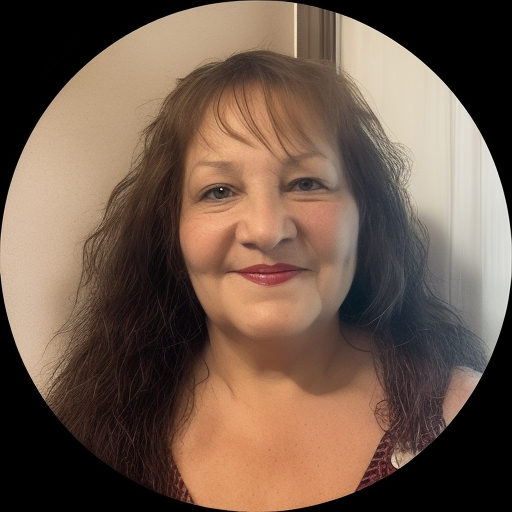
About Patricia
She works in a straightforward, person-focused way. Sessions are built around what the client brings. She adapts techniques to the situation rather than following one fixed method. That can mean talking through thoughts and behaviors, practicing new skills, or looking at how attachments and past hurts shape current choices.
Patricia uses methods drawn from cognitive behavioral approaches, acceptance and commitment work, attachment-based thinking, and dialectical behavior ideas. Those methods can help with mood problems, grief, trauma, and difficulties managing impulses or intense emotions. She also supports people facing life transitions, career stress, caregiving burden, or recovery from relationship loss.
Her approach is practical and relational. She listens for patterns that repeat and helps clients try different responses. Sessions often include short skills practice and planning between meetings to test what works in daily life.
People who reach out can expect clear goals and stepwise work toward them. To begin, clients use the site's matching flow and schedule an initial session. Patricia works in English and operates under her Florida LMHC credential.
Areas of expertise
Primary focus
Also works with
Additional focus areas
Therapeutic approaches
Experience
20+ years
Credentials
Florida
Languages
English
How her therapeutic approaches translate to online sessions
Acceptance and Commitment Therapy (ACT) focuses on clarifying personal values and taking small, value-driven actions even when difficult thoughts or feelings appear. This can help with anxiety, depression, and persistent guilt by shifting attention from fighting feelings to living according to what matters. Cognitive Behavioral Therapy (CBT) examines patterns of thought and behavior and offers practical exercises to test and change them. CBT is often used for anxiety, mood problems, sleep, and managing unhelpful self-criticism.Finding the right approach is part of the early work. Patricia will collaborate with each person to choose methods that fit their goals and daily life. That means checking which strategies feel useful and adjusting the plan if something is not working.
Confirm the specific session options before booking, as formats are not listed in the biography. Online sessions can make it easier to fit meetings into workdays, reduce travel time, and allow shorter check-ins when needed. They also let people practice new skills in the settings where challenges occur. The therapist and client can decide together how often to meet and what kind of session length or style best supports progress.
Frequently asked questions
What kinds of issues does she help with?
She works with stress, anxiety, depression, relationship concerns, substance use, self-esteem, trauma and related problems such as grief and caregiver stress.
How would she approach feelings of shame or guilt?
Her work draws on CBT and acceptance-based ideas to notice unhelpful thought patterns and to develop alternative actions that align with values.
How much experience does she bring?
She has 20 years of professional experience working with mood disorders, substance use, trauma, and relationship difficulties.
What is her credential and location?
She practices as a Florida LMHC and is based in Florida.
Does she work in languages other than English?
Sessions are offered in English.
Can international clients sign up?
She does not accept international clients at this time.
How are sessions scheduled and paid for?
Session cost varies with location and services. Sessions use a subscription that can be canceled at any time.
What is the first step to get started?
Select the See online therapy options button, complete the short matching questionnaire, and schedule a first session.
Before you get in touch
The therapists listed here offer talking therapy online. A profile shows how someone describes their work; it cannot tell you how therapy will go, and nobody can promise that guilt or shame will ease by a certain time.
If you are thinking about harming yourself, or you feel unsafe, please contact a crisis line now. The numbers are at the foot of this page.