- Cognitive behavioral tools
- Mindfulness practices
- Motivational interviewing
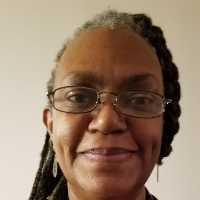
About Pamela
Her approach combines cognitive behavioral ideas with client-centered and mindfulness methods. Sessions tend to focus on how thoughts and behaviors interact, practical skills for coping, and noticing patterns that keep painful feelings going. Pamela also uses motivational interviewing techniques to help people consider change and commit to steps that fit their life.
She trained at Johns Hopkins University for her bachelor’s, master’s, and postgraduate work. Over two decades she has provided counseling, led trainings, and spoken publicly about mental health topics. That background informs both brief problem-focused work and longer-term support when needed.
In practice she offers grief counseling, anger management, stress management, conflict resolution, and support for gambling and substance dependence. She also designs professional seminars and workshops based on clinical and practical experience.
Pamela draws on experience with many populations and cultural backgrounds to help people understand how past choices and life events affect how they think and feel now. People who come with guilt or shame often talk about the thoughts they replay and the behaviors they avoid; Pamela helps them notice those patterns and try different ways of responding.
Areas of expertise
Primary focus
Also works with
Additional focus areas
Therapeutic approaches
Experience
25+ years
Credentials
Maryland
Languages
English
How Pamela brings therapeutic approaches into online work
Acceptance and Commitment Therapy (ACT) helps people notice unhelpful thoughts and commit to actions that reflect their values. ACT can be useful when guilt or shame leads someone to avoid meaningful activities. Cognitive Behavioral Therapy (CBT) focuses on identifying and testing thoughts and practicing behaviors that reduce distress. CBT is often used for anxiety, depression, and the repetitive thinking that fuels guilt.Choosing the right approach is part of the work together. Pamela will discuss goals, preferences, and what feels practical, and then try methods that fit the person’s situation. That collaborative process helps shape whether sessions are more skills-focused, reflective, or action-oriented.
The biography does not specify which online session formats are offered, so confirm available options before booking. Many people find online sessions make it easier to fit counseling into a busy week, allow shorter check-ins when needed, or avoid travel time for appointments. Pamela’s clinical experience with CBT, ACT, and mindfulness can translate into focused exercises, homework between sessions, and spoken reflection during virtual meetings to help people practice new ways of responding to guilt and shame.
Frequently asked questions
What concerns does she address related to guilt or shame?
She works with guilt and shame alongside issues such as grief, addiction, relationship strain, depression, and trauma.
How does she approach feelings of guilt?
She uses cognitive behavioral ideas to look at the thoughts that keep guilt active and practical skills to change unhelpful patterns.
What is her professional background?
She completed BS, MS, and postgraduate studies at Johns Hopkins University and has about 25 years of combined professional and training experience.
What credential does she hold and where does she practice?
She is an LCPC in Maryland and practices in that state.
Does she offer sessions in other languages or to international clients?
Sessions are offered in English. She is not accepting international clients.
What session formats are used?
The original biography does not list specific session formats; please confirm current session options before booking.
How is cost handled for sessions?
Cost varies with location and sessions use a subscription that can be canceled at any time.
How do I begin if I want to work with her?
Use the See online therapy options button, complete a short matching questionnaire, and schedule a first session.
Before you get in touch
The therapists listed here offer talking therapy online. A profile shows how someone describes their work; it cannot tell you how therapy will go, and nobody can promise that guilt or shame will ease by a certain time.
If you are thinking about harming yourself, or you feel unsafe, please contact a crisis line now. The numbers are at the foot of this page.