- ACT CBT DBT methods
- Values based work
- Addiction and anger
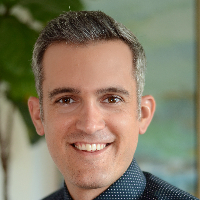
About Nicholas
Nicholas focuses on helping people notice how their thinking affects their feelings and behavior. He talks through patterns that keep someone stuck and offers ways to respond differently. Sessions look at values and goals so practical next steps line up with what matters to the person.
His background includes work at a student counseling center, an inpatient psychiatric unit, a drug and alcohol treatment center, and independent practice. Those settings shaped a straightforward approach to emotional and behavioral problems. Nicholas draws on clinical and philosophical ideas when they fit the person’s situation.
He typically blends techniques drawn from acceptance and commitment therapy, cognitive behavioral therapy, dialectical behavior therapy, existential ideas, and mindfulness. Those methods are used to help with emotion regulation, motivation, and decision making rather than as labels or promises.
If someone wants help sorting through stubborn guilt or shame, Nicholas offers focused conversations that look at where those feelings come from and what small steps might reduce their hold. The emphasis is on clear, workable strategies and gradual shifts rather than quick fixes.
Areas of expertise
Primary focus
Also works with
Additional focus areas
Therapeutic approaches
Experience
13+ years
Credentials
Illinois
Languages
English
Therapeutic approaches and online sessions
Acceptance and Commitment Therapy (ACT) focuses on clarifying personal values and taking committed steps toward them while learning to live with difficult thoughts and feelings. Cognitive Behavioral Therapy (CBT) looks closely at thinking patterns and tries practical experiments to change unhelpful behaviors and emotional reactions. Dialectical Behavior Therapy (DBT) offers concrete skills for emotion regulation and distress tolerance that can help when feelings feel overwhelming.Finding the right approach is part of the work. Nicholas will discuss which methods fit a person’s goals and preferences and adjust the plan as they learn what helps. That way sessions stay practical and choice-driven rather than locked into a single method.
Confirm current session options before booking since formats are not specified here. Online work can make it easier to fit therapy into a busy life - for example, shorter check-ins between commitments or sessions that avoid travel time. When a particular format is offered, it can allow more consistent meetings and easier scheduling around work, childcare, or school obligations. Ask about the specific session options during the initial scheduling step.
Frequently asked questions
What kinds of concerns does he address?
He works with stress, anxiety, depression, addictions, relationship and family issues, grief, sleep problems, ADHD, and areas like guilt and shame.
How does he approach shame and guilt in sessions?
He helps clients identify thought patterns that keep guilt or shame active and uses practical exercises to change responses over time.
What is his clinical background?
He has 13 years of experience including work in a student counseling center, an inpatient psychiatric unit, a drug and alcohol treatment center, and independent practice.
What credential does he hold and where is he based?
He is an IL LCPC and practices in Illinois.
Which languages are supported for sessions?
Sessions are offered in English.
Can people outside the US work with him?
He does not accept international clients at this time.
How are sessions paid for?
Cost varies with location and sessions use a subscription that can be canceled at any time.
How do I begin a first session?
Select the See online therapy options button, complete the short matching questionnaire, and schedule your first session.
Before you get in touch
The therapists listed here offer talking therapy online. A profile shows how someone describes their work; it cannot tell you how therapy will go, and nobody can promise that guilt or shame will ease by a certain time.
If you are thinking about harming yourself, or you feel unsafe, please contact a crisis line now. The numbers are at the foot of this page.