- Stress and anxiety
- Trauma and PTSD
- Parenting and attachment
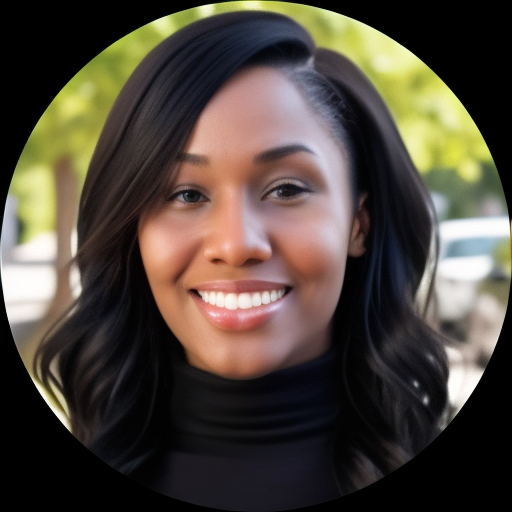
About Natasha
Naturally direct and practical, Natasha helps people spot patterns that keep them stuck. She traces how early family relationships and current habits feed worry, avoidance, or repeated conflict. Sessions look at what happens now and what led there, using clear steps people can try between meetings.
Naturally informed by family systems ideas, her work also draws on evidence-based therapeutic techniques to reduce overwhelming feelings and to address panic and trauma reactions. She helps clients build skills for tolerating strong emotion, setting boundaries, and repairing strained connections.
Her background includes a Ph.D. in Marriage and Family Therapy from Nova Southeastern University and clinical training rooted in systemic thinking. Natasha uses assessment and practical exercises to help people test new ways of relating and responding to hard memories or intense shame.
She frames therapy as a collaborative process: noticing unhelpful patterns, practicing new responses, and tracking what changes. The approach emphasizes clear strategies and real-world practice rather than abstract discussion alone.
Areas of expertise
Primary focus
Additional focus areas
Experience
8+ years
Credentials
Florida
Languages
English
Evidence-based approaches and remote care
Natasha uses evidence-based therapeutic techniques to address intense emotions and relationship patterns. One approach focuses on family systems thinking, which looks at how family roles and early relationships shape current behavior and emotional responses. This helps when patterns from childhood repeat in adult relationships or parenting. Another common approach she draws on is trauma-informed work that includes grounding exercises and paced processing to reduce panic and post-traumatic stress symptoms. These methods aim to help people feel less overwhelmed by memories or sudden anxiety.Finding the right approach is part of the work. Natasha collaborates with clients to choose methods that fit their goals, pace, and comfort. She checks in on what helps, adjusts methods if needed, and combines techniques so they make sense for each person’s situation.
Confirm current session options before booking since specific formats are not listed here. Online sessions can make it easier to fit therapy into a busy life - for example a shorter check-in between commitments, no travel time, or an option that reduces the need for lengthy appointments. Talk with her during the initial steps to learn which session formats she is offering and how they might fit your schedule.
Frequently asked questions
What kinds of concerns does she address?
She supports people with stress, anxiety, relationship and family issues, trauma and abuse, parenting challenges, and related concerns like guilt and shame.
How would she approach shame or guilt?
She looks at how past family patterns and current behavior keep those feelings active, then uses practical steps and exercises to reduce overwhelm and shift responses.
What is her clinical background?
She has eight years of clinical experience and completed a Ph.D. in Marriage and Family Therapy at Nova Southeastern University.
What are her credentials and where does she practice?
She is an LMFT licensed in Florida and works with clients located in that state.
Does she work in any languages other than English?
Sessions are offered in English.
Can international clients schedule with her?
She does not accept international clients at this time.
How are sessions priced?
Cost varies with location and sessions use a subscription that can be canceled at any time.
How do I begin if I want to work together?
Choose the "See online therapy options" button, complete a short matching questionnaire, and schedule a first session.
Before you get in touch
The therapists listed here offer talking therapy online. A profile shows how someone describes their work; it cannot tell you how therapy will go, and nobody can promise that guilt or shame will ease by a certain time.
If you are thinking about harming yourself, or you feel unsafe, please contact a crisis line now. The numbers are at the foot of this page.