- LCSW Indiana
- CBT and DBT methods
- Mindfulness practice
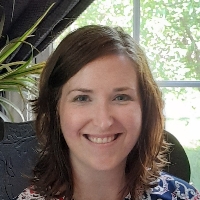
About Natalie
She trained at the University of Southern Indiana and has experience in community mental health and within the criminal justice system. That work included contact with current offenders and people reentering the community. She has worked with a broad range of individuals and groups and has used coaching alongside counseling in her work.
Natalie uses a mix of practical approaches in sessions. She draws on cognitive behavioral techniques to look at thought patterns and behaviors, motivational interviewing to strengthen commitment for change, and mindfulness exercises to help people stay present. She also uses emotionally-focused methods to address relationship and intimacy concerns.
Her style is interactive and values direct dialogue. She names Christian counseling as one element she brings for clients who want those perspectives. Sessions aim to produce clearer self-awareness and specific tools people can use outside the room.
Natalie also works as a teacher, speaker, trainer, and coach through the John Maxwell Team. She frames change as something that takes effort and courage, and she focuses on practical steps people can take when they are ready to act.
Areas of expertise
Also works with
Additional focus areas
Therapeutic approaches
Experience
9+ years
Credentials
Indiana
Languages
English
How Natalie uses practical approaches in online sessions
Natalie commonly uses cognitive behavioral therapy to help people notice and change unhelpful thoughts and behaviors. CBT focuses on identifying patterns that maintain problems and practicing different responses, which can help with anxiety, depression, and many daily stressors.She also uses dialectical behavior therapy skills and emotionally-focused techniques. DBT skills teach concrete strategies for managing strong emotions and improving distress tolerance. Emotionally-focused approaches look at connection and patterns in close relationships and can be useful for intimacy-related issues and communication problems.
Finding the right approach is a collaborative process. Natalie will discuss goals, try methods that fit the client's needs, and adjust based on what helps most. She uses motivational interviewing to support readiness for change and mindfulness exercises when present-moment awareness is useful.
Session formats are not detailed in the supplied biography, so please confirm current online options before booking. Many people choose online work to fit sessions into a busy week, reduce travel time, or use shorter check-ins when schedules are tight. The emphasis is on making therapy practical and workable within everyday life.
Frequently asked questions
What kinds of concerns does she address?
Natalie works with stress, anxiety, addictions, depression, relationship and family problems, and guilt and shame among other issues.
How would she describe her therapeutic style?
Her style is interactive and direct. She blends practical techniques with conversation to build insight and skills.
How much experience does she have?
She has nine years of clinical experience, including community mental health and work within the criminal justice system.
What credential does she hold and where is she based?
She is an LCSW licensed in Indiana and practices from that state.
Which languages are sessions offered in?
Sessions are offered in English.
Can people outside the United States work with her?
She does not accept international clients at this time.
What are the session formats available?
Please confirm current session options before booking, as formats are not specified in the biography.
How does the subscription and scheduling work?
Costs vary by location and sessions use a subscription that can be canceled at any time. To get started, select the See online therapy options button, complete the short matching questionnaire, and schedule a first session.
Before you get in touch
The therapists listed here offer talking therapy online. A profile shows how someone describes their work; it cannot tell you how therapy will go, and nobody can promise that guilt or shame will ease by a certain time.
If you are thinking about harming yourself, or you feel unsafe, please contact a crisis line now. The numbers are at the foot of this page.