- ACT and CBT methods
- Mindfulness skills
- Values-based work
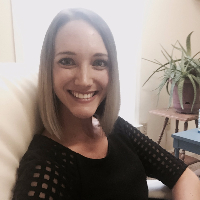
About Mirinda
Her approach is straightforward and practical. She draws on Cognitive Behavioral Therapy, Acceptance and Commitment Therapy, Dialectical Behavior Therapy, mindfulness, and Motivational Interviewing. Sessions focus on clear skills, short-term strategies, and chances to try new ways of responding to hard feelings.
Mirinda uses concrete tools to help people notice unhelpful thinking and patterns. She teaches breathing and attention exercises to manage anxiety and distress. She also works on communication skills, boundary-setting, and steps toward rebuilding trust after relationship hurts.
She values a direct style and an occasional sense of humor in sessions. People can expect a focus on small, achievable changes alongside exploration of deeper themes like guilt, shame, and forgiveness. Mirinda aims to help clients make choices that match their values and move toward more manageable daily life.
Mirinda holds a master’s degree in counseling and a bachelor’s degree in sociology. She has experience in clinic and independent practice settings and has worked with individuals, adolescents, and children earlier in her career. Sessions are conducted in English and follow South Carolina practice standards.
Areas of expertise
Primary focus
Also works with
Additional focus areas
Therapeutic approaches
Experience
12+ years
Credentials
South Carolina
Languages
English
How her approaches translate to online work
Mirinda commonly uses Acceptance and Commitment Therapy (ACT) and Cognitive Behavioral Therapy (CBT). ACT focuses on identifying personal values and taking small committed actions toward them, and it can help when guilt or shame prevents people from moving forward. CBT targets patterns of thinking and behavior, teaching skills to challenge unhelpful thoughts and build practical coping techniques for anxiety, depression, and stress.Finding the right approach is part of the process. She will work together with clients to decide which methods fit their goals and preferences, and adjust techniques as needs change. That collaborative decision-making helps tailor sessions to what actually helps in day-to-day life.
The biography does not list specific online session formats, so confirm available options before booking. Online work can make it easier to fit therapy into a busy schedule, reduce travel time, and allow shorter check-ins when needed. Therapists often use mindfulness exercises, behavioral experiments, and values-based tasks that translate well to remote sessions and can be practiced between meetings.
Frequently asked questions
What kinds of concerns does she address?
She works with stress, anxiety, depression, relationship and parenting issues, addictions, trauma and abuse, grief, and concerns about guilt and shame among other topics.
How would she approach feelings of guilt or shame?
She uses evidence-based methods like CBT and ACT to help people notice unhelpful thoughts, practice new responses, and explore values that guide change.
What is her experience with different client issues?
Mirinda has 12 years of experience working in clinic and independent practice settings with adults and has earlier clinical work with adolescents and children.
What credentials and region apply to her practice?
She is a Licensed Professional Counselor (LPC) practicing in South Carolina.
Does she offer sessions in other languages or to international clients?
Sessions are offered in English and she is not accepting international clients.
What session formats are used?
Confirm current session formats before booking, as the biography does not specify which formats are offered.
How are fees handled?
Cost varies with location and sessions use a subscription that can be canceled at any time.
What do I need to do to get started?
Select the See online therapy options button, complete a short matching questionnaire, and schedule a first session.
Before you get in touch
The therapists listed here offer talking therapy online. A profile shows how someone describes their work; it cannot tell you how therapy will go, and nobody can promise that guilt or shame will ease by a certain time.
If you are thinking about harming yourself, or you feel unsafe, please contact a crisis line now. The numbers are at the foot of this page.