- Attachment based work
- CBT strategies
- Mindfulness practice
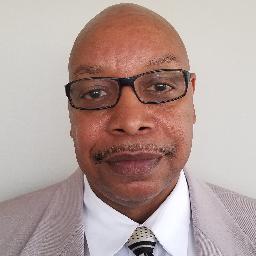
About Michael
He earned a Bachelor of Arts in Psychology from Morehouse College and a Master of Arts in Psychology from Washington University in St. Louis. He also trained as a massage therapist and has used body-centered awareness alongside talk therapy in his work.
In sessions he blends attachment-based ideas with client-centered listening and cognitive behavioral strategies. That means conversations focus on current relationships and patterns, while also looking at thoughts and behaviors that keep problems stuck. Mindfulness methods and emotionally-focused techniques are added when they fit the issue.
When someone brings guilt or shame into the room he names those feelings directly and helps people look at where they come from. Sessions often include practical steps for coping, short experiments to test new behaviors, and moments that slow things down so feelings can be noticed without judgment.
He draws on long experience to guide practical problem-solving. People leave with clearer next steps they can try between sessions, and ideas to help manage stress, cravings, or difficult memories in everyday life.
Areas of expertise
Primary focus
Also works with
Additional focus areas
Therapeutic approaches
Experience
35+ years
Credentials
Missouri, Colorado
Languages
English
How his methods translate to online sessions
Michael Williams uses attachment-based ideas, client-centered listening, and cognitive behavioral techniques in his work. Attachment-based work looks at how early relationship patterns shape present-day reactions and helps people understand recurring emotional responses. Client-centered approaches focus on careful listening and reflecting to help someone clarify their feelings and priorities. Cognitive Behavioral Therapy (CBT) identifies unhelpful thoughts and tests practical changes in behavior to reduce anxiety, depression, or compulsive urges.Choosing an approach is collaborative. He will discuss what seems most useful based on a person's history, current problems, and goals. Together they decide which methods to try and adjust them as the work progresses.
Confirm the available session formats before booking since the biography does not list specific delivery methods. Online work can make it easier to fit sessions into a busy life, allow shorter check-ins when time is tight, or remove the need to travel. That practical flexibility can help maintain regular meetings and apply strategies between sessions.
Frequently asked questions
What kinds of problems does he address?
He works with stress, anxiety, addictions, trauma and abuse, depression, grief, parenting concerns, anger, self-esteem, career issues, and related areas such as guilt and shame.
How does he approach feelings of guilt or shame?
He names guilt and shame openly, links them to past experiences and relationships, and combines talk work with behavioral steps to reduce their impact on daily life.
What is his background and experience?
He has 35 years of clinical practice, a BA in Psychology from Morehouse College, an MA in Psychology from Washington University in St. Louis, and training as a massage therapist.
What credential does he hold and where is he based?
He is a Licensed Professional Counselor (LPC) with credentials in Colorado LPC and Missouri LPC and he practices from Missouri.
Does he work with non-English speakers or international clients?
Sessions are offered in English and he is not currently accepting international clients.
What session formats are available?
Please confirm the current session formats before booking, as the biography does not list specific delivery methods.
How much do sessions cost?
Cost varies with location and sessions use a subscription that can be canceled at any time.
How do I begin working with him?
Select the See online therapy options button, complete a short matching questionnaire, and schedule a first session.
Before you get in touch
The therapists listed here offer talking therapy online. A profile shows how someone describes their work; it cannot tell you how therapy will go, and nobody can promise that guilt or shame will ease by a certain time.
If you are thinking about harming yourself, or you feel unsafe, please contact a crisis line now. The numbers are at the foot of this page.