- Acceptance and Commitment Therapy
- Cognitive Behavioral Therapy
- Client-centered approach
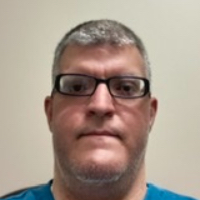
About Michael
In sessions he uses practical, talk-based methods that focus on what someone is trying to change. He leans on Acceptance and Commitment Therapy to clarify values and build committed action. Cognitive Behavioral Therapy is used to notice and shift unhelpful thoughts and behaviors. Dialectical Behavior Therapy skills are offered when strong emotions or relationship stress create repeated conflict.
Michael describes his style as client-centered, which means he aims to listen first and adapt methods to the person in front of him. He includes existential ideas when people are wrestling with meaning, responsibility, or large life decisions. Mindfulness tools are woven in to help with moment-to-moment distress and attention.
He has experience addressing specific themes such as abandonment, attachment struggles, jealousy, infidelity, and communication problems. Michael also works with people navigating kink or alternative sexual cultures, issues around forgiveness, and the complex feelings that follow cancer or chronic illness.
Sessions are delivered from his Tennessee practice and are conducted in English. People considering work with him are encouraged to follow the booking steps to share what they want to address and to schedule a first meeting.
Areas of expertise
Primary focus
Also works with
Additional focus areas
Therapeutic approaches
Experience
17+ years
Credentials
Tennessee
Languages
English
How his approaches translate to online work
Acceptance and Commitment Therapy (ACT) focuses on helping people name their values and take small steps toward them despite painful thoughts or feelings. It can be useful for guilt, shame, and life changes where someone wants to act differently but feels stuck. Cognitive Behavioral Therapy (CBT) looks at the links between thoughts, feelings, and actions and teaches practical strategies to change patterns that keep problems going. CBT is often used for anxiety, depression, and recurring shame-driven thinking.Finding the right approach is part of the work itself. Michael will discuss how ACT, CBT, or client-centered methods might fit the issue at hand. That choice is made together based on the client’s goals, preferences, and what comes up in early sessions.
The practical benefits of online sessions should be confirmed before booking because session formats were not specified in the biography. If you want to proceed, check the listed options when you begin the matching process. Online work can make it easier to fit sessions around jobs, reduce travel time, and allow shorter check-ins when a full hour is not needed. Therapists can also switch methods across sessions, offering skills practice one week and values-focused planning the next to suit everyday life.
Frequently asked questions
What kinds of concerns does he help with?
He works with addiction, relationship strain, grief, shame and guilt among other issues like anxiety, depression, and ADHD.
How would he approach feelings of guilt or shame?
He uses ACT and CBT techniques to notice painful thoughts, clarify values, and build actions that reduce entanglement with shameful stories.
What is his background and experience?
He holds a Tennessee LCSW credential and has 17 years of experience providing psychotherapy.
Where is he based and licensed?
He is licensed as an LCSW in Tennessee and practices from that state.
Which languages are sessions offered in?
Sessions are offered in English.
Can people outside the US work with him?
He does not accept international clients at this time.
How are fees and payments handled?
Cost varies with location and sessions use a subscription model that can be canceled at any time.
What are the steps to begin working together?
Select the See online therapy options button, complete a short matching questionnaire, and schedule a first session.
Before you get in touch
The therapists listed here offer talking therapy online. A profile shows how someone describes their work; it cannot tell you how therapy will go, and nobody can promise that guilt or shame will ease by a certain time.
If you are thinking about harming yourself, or you feel unsafe, please contact a crisis line now. The numbers are at the foot of this page.