- Grief and loss
- Caregiver stress
- End-of-life care
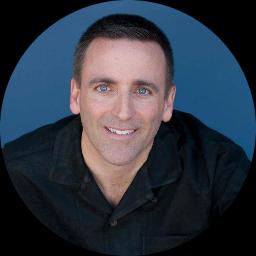
About Michael
He has a long history in end-of-life care and has published on the topic. He also offers a series of free videos on YouTu.be @Dying101 that address aspects of dying and caregiving. His work commonly involves practical conversations about what a person is feeling and what they need next.
In sessions he listens for where guilt, shame, or unresolved loss are affecting daily life. He talks through how those feelings show up in relationships, routines, and caregiving roles. He helps people name what feels most urgent and plan manageable steps forward.
Michael adapts the session pace to each person. That can mean short check-ins about symptom relief or longer talks about end-of-life decisions and forgiveness. He uses evidence-based therapeutic techniques to guide those conversations and to address depression, chronic pain, or caregiving strain.
People who contact him should expect clear, direct conversation about goals and options. To begin, the site directs users to complete a short matching questionnaire and schedule a first session. Sessions use a subscription that can be canceled at any time.
Areas of expertise
Primary focus
Also works with
Additional focus areas
Experience
40+ years
Credentials
California
Languages
English
Approaches used in online sessions
Michael uses evidence-based therapeutic techniques to guide conversations. One common approach is focused problem-solving that breaks larger issues into manageable steps to reduce overwhelm and clarify next actions. This approach can help with caregiving strain, depression, and practical decisions around illness or end-of-life care.Another frequent method is grief-focused dialogue that helps name losses and examine how they affect daily routines and relationships. These conversations aim to make grief and guilt easier to describe and to identify small changes that relieve constant distress.
Choosing the right approach is part of the work together. The therapist will discuss goals, preferences, and practical needs and then recommend ways to proceed. This is a collaborative process where plans are adjusted over time based on what helps most.
Confirm the session formats available before booking, as the biography does not list specific options. Online sessions can make it easier to fit therapy into busy schedules, allow for shorter check-ins during a workday break, or avoid travel to an office. Ask about session length and format when you schedule so you can pick what best fits your routine.
Frequently asked questions
What concerns does he address?
He works with grief, loss, depression, and compassion fatigue and also lists caregiver stress, chronic illness, hospice and end-of-life issues, guilt and shame, and men's issues.
How does he approach guilt and shame?
He listens for where guilt or shame affect daily life and talks through how those feelings show up in relationships and caregiving roles.
What is his background and experience?
He holds a California LCSW and has 40 years of professional experience, including published work in end-of-life care.
Where is he licensed and based?
He is licensed as an LCSW in California.
What languages does he use in sessions?
Sessions are offered in English.
Can international clients work with him?
International clients are not currently accepted.
How are sessions billed?
Cost varies with location and sessions use a subscription that can be canceled at any time.
How do I begin a first session?
Use the See online therapy options button, complete the short matching questionnaire, and then schedule your first session.
Before you get in touch
The therapists listed here offer talking therapy online. A profile shows how someone describes their work; it cannot tell you how therapy will go, and nobody can promise that guilt or shame will ease by a certain time.
If you are thinking about harming yourself, or you feel unsafe, please contact a crisis line now. The numbers are at the foot of this page.