- CBT methods
- ACT practices
- DBT skills
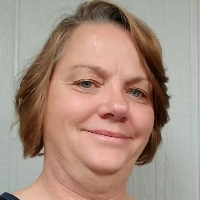
About Mary
In her independent practice Mary sees adults, adolescents, children, and parents. She also works as a clinical director in a Department of Corrections setting providing substance abuse and mental health treatment for people with felony DUIs. That mix of community and corrections work shapes a direct, practical approach to problems that can feel overwhelming.
Mary uses a few well-known therapy approaches to help people make changes. She commonly draws on cognitive behavioral therapy (CBT) to spot unhelpful thinking patterns, acceptance and commitment therapy (ACT) to clarify values and take small actions, and dialectical behavior therapy (DBT) skills for emotion regulation. She also uses motivational interviewing and solution-focused techniques when those fit a person's goals.
Initial sessions focus on learning what led someone to seek help and what they want to change. Mary works with clients to build a plan that suits their situation. She evaluates whether trauma-focused methods are appropriate before using them.
Outside work she enjoys hiking, travel planning, and time with her grandchildren. That personal balance informs a practical, down-to-earth style in sessions.
Areas of expertise
Primary focus
Also works with
Additional focus areas
Therapeutic approaches
Experience
14+ years
Credentials
Montana
Languages
English
How Mary applies therapy approaches in online work
Mary commonly uses cognitive behavioral therapy (CBT) and acceptance and commitment therapy (ACT) in her practice. CBT helps people notice and test the thoughts that keep them stuck and then try small behavior changes to see what shifts. ACT focuses on clarifying what matters most and taking committed actions even when uncomfortable feelings appear.She also draws on dialectical behavior therapy (DBT) skills when emotion regulation and interpersonal effectiveness are needed. DBT skills teach concrete techniques for managing intense feelings and improving communication. These approaches are practical and oriented toward specific problems such as anxiety, addictions, relationship conflict, or coping with shame.
Finding the right approach is a collaborative process. Mary will work with each person to decide which methods fit their situation, goals, and preferences. That may mean trying one method for a while, adjusting techniques, or combining elements from different approaches as needs change.
The profile does not list specific online session formats, so please confirm current options before booking. In general, online work can make it easier to fit sessions into a busy life - for example a shorter check-in during a lunch break, or choosing audio instead of video if bandwidth is limited. Therapists can use video or phone sessions to focus on skill practice, problem solving, and tracking progress over time.
Frequently asked questions
What kinds of concerns does she address?
She works with depression, anxiety, addictions, trauma and abuse, relationship and family issues, grief, self-esteem, guilt and shame, and related concerns listed in her profile.
How would she approach guilt or shame?
She typically combines cognitive behavioral techniques with acceptance and commitment approaches to help people notice unhelpful thoughts, clarify values, and take manageable steps forward.
What is her professional background and experience?
Mary has 14 years of clinical experience and works both in independent practice and as a clinical director in a Department of Corrections setting providing substance abuse and mental health treatment.
Which credentials and location are listed?
She is listed as LCPC and LMFT and practices in Montana. The profile shows MT LCPC and MT LMFT as her credential details.
Can I work with her if I live outside the United States?
Sessions are offered in English and she does not accept international clients at this time.
What session formats are available?
The original profile does not specify session formats here; please confirm current session options before booking.
How much do sessions cost?
Cost varies with location and sessions use a subscription that can be canceled at any time according to the provided information.
How do I begin working with her?
Start by selecting the See online therapy options button, complete a short matching questionnaire, and schedule a first session as described in the profile.
Before you get in touch
The therapists listed here offer talking therapy online. A profile shows how someone describes their work; it cannot tell you how therapy will go, and nobody can promise that guilt or shame will ease by a certain time.
If you are thinking about harming yourself, or you feel unsafe, please contact a crisis line now. The numbers are at the foot of this page.