- ACT
- CBT
- Emotionally-Focused Therapy
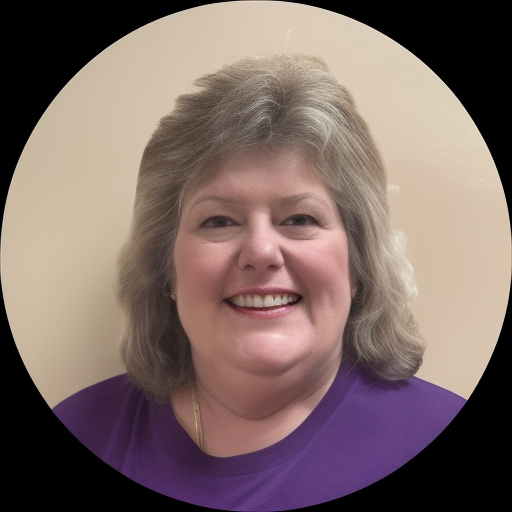
About Marsha
Her approach is straightforward and person-focused. She uses Acceptance and Commitment Therapy, Cognitive Behavioral Therapy, Dialectical Behavior Therapy, Emotionally-Focused Therapy, and client-centered methods. Sessions often include talking through current problems, learning practical skills, and noticing unhelpful patterns that keep the same problems happening.
Marsha draws on experience helping people in a range of settings. Her background includes work with people in prisons, group anger management, dialysis patients, veterans and their families in hospice care, and pregnant and postpartum women. That work shaped how she handles crises, grief, and complex medical or caregiving stress.
In sessions she tends to be respectful and direct. Conversations focus on what is causing distress now and on skills people can use between meetings. She aims to help clients clarify priorities and take small, steady steps toward the changes they want.
She trained at Florida State University, earning a Master of Social Work in 2010, and holds a Florida LCSW. Marsha offers services in English and accepts international clients; confirm current session options before booking.
Areas of expertise
Primary focus
Also works with
Additional focus areas
Therapeutic approaches
Experience
14+ years
Credentials
Florida
Languages
English
How evidence-based approaches translate to online sessions
Marsha commonly uses Acceptance and Commitment Therapy and Cognitive Behavioral Therapy in her work. ACT helps people notice painful thoughts and feelings without getting stuck in them while focusing on what matters most. CBT breaks down unhelpful thought and behavior patterns and teaches concrete skills to reduce anxiety, depression, and shame-related thinking.Choosing the right approach is part of the work together. Marsha will discuss goals, preferences, and what has and hasn't helped before recommending which methods to try. That collaborative process helps pick techniques that fit the client's situation and pace.
Confirm current session options before booking, since specific formats are not listed in the biography. When arranged, online sessions can make it easier to fit meetings into a busy week, allow shorter check-ins when needed, and reduce travel time. They also let people use tools from CBT and ACT - like behavioral experiments, worksheets, and in-the-moment grounding - during ordinary days so skills can be practiced between sessions.
Frequently asked questions
What kinds of guilt or shame-related concerns does she address?
She works with adults facing guilt or shame tied to relationships, past actions, grief, trauma, addiction, and self-esteem issues.
How does she approach feelings of guilt or shame in therapy?
Her work mixes acceptance-based strategies, cognitive tools to shift unhelpful thoughts, and emotion-focused work to process painful experiences.
How much clinical experience does she have?
She has 14 years of experience delivering mental health services across a range of settings including hospitals, group programs, and community care.
What are her credentials and where does she practice?
She is a Florida LCSW and practices from Florida; she completed a Master of Social Work at Florida State University in 2010.
Can I work with her if I live outside the United States?
She accepts international clients. Sessions are offered in English.
What session formats are used for therapy?
Confirm current session options before booking, as the biography does not list specific session formats.
How are fees handled for sessions?
Cost varies with location and sessions use a subscription that can be canceled at any time.
How do I start if I want to work with her?
Select the See online therapy options button, complete a short matching questionnaire, and schedule a first session.
Before you get in touch
The therapists listed here offer talking therapy online. A profile shows how someone describes their work; it cannot tell you how therapy will go, and nobody can promise that guilt or shame will ease by a certain time.
If you are thinking about harming yourself, or you feel unsafe, please contact a crisis line now. The numbers are at the foot of this page.